(626) 323-9443
 432 W Foothill Blvd, Glendora, CA 91741, USA

In pain? Call (626) 323-9443 for same-day care. In pain right now? Call (626) 323-9443 — same-day emergency appointments available.
In pain? Call (626) 323-9443 for same-day care. In pain right now? Call (626) 323-9443 — same-day emergency appointments available.
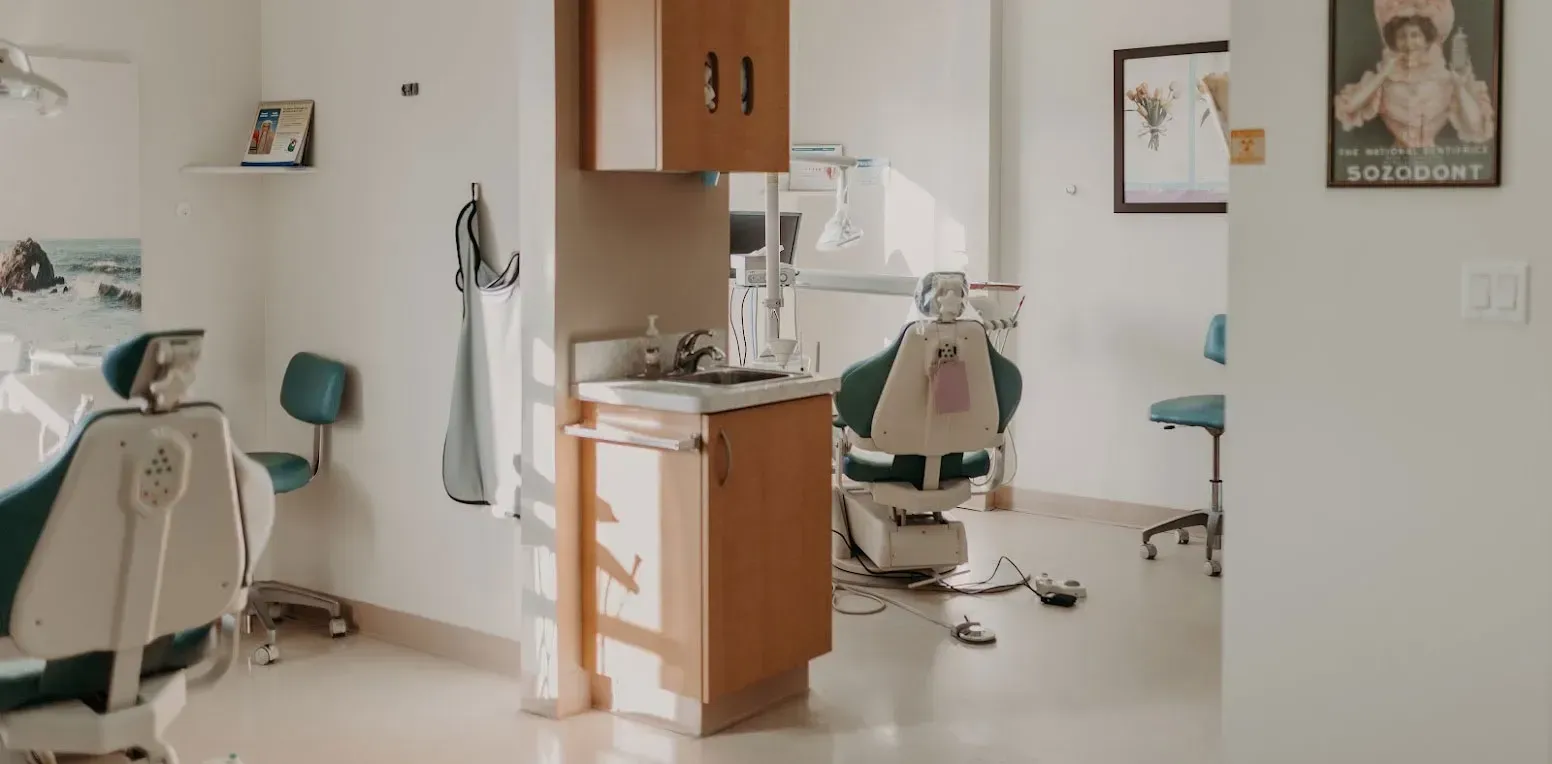
A permanent, natural-looking way to replace missing teeth and restore the comfort and confidence of a complete smile.
Losing a tooth changes more than your appearance. It alters the way you chew, the way your remaining teeth bear pressure, and often the way you feel about smiling in front of others. Left unaddressed, the gap can widen in consequence as neighboring teeth drift, your bite shifts out of alignment, and the jawbone beneath the missing tooth begins to recede. Many patients at our Glendora practice come to us after months, sometimes years, of quietly avoiding certain foods or covering their mouth when they laugh.
A fixed bridge is a time-tested, non-removable restoration that fills that gap by anchoring a custom-crafted replacement tooth to the healthy teeth or implants on either side. Unlike a removable partial denture, a bridge stays firmly in place day and night, functioning as close to a natural tooth as modern dentistry allows. It lets you bite into an apple, chew on both sides of your mouth, and speak without second-guessing yourself.
As part of our Restorative Dentistry services, our team takes a careful, root-cause approach before recommending any bridge. We evaluate the health of the supporting teeth, your bite alignment, and the underlying bone to design a restoration that fits your mouth precisely and holds up for years of everyday use.
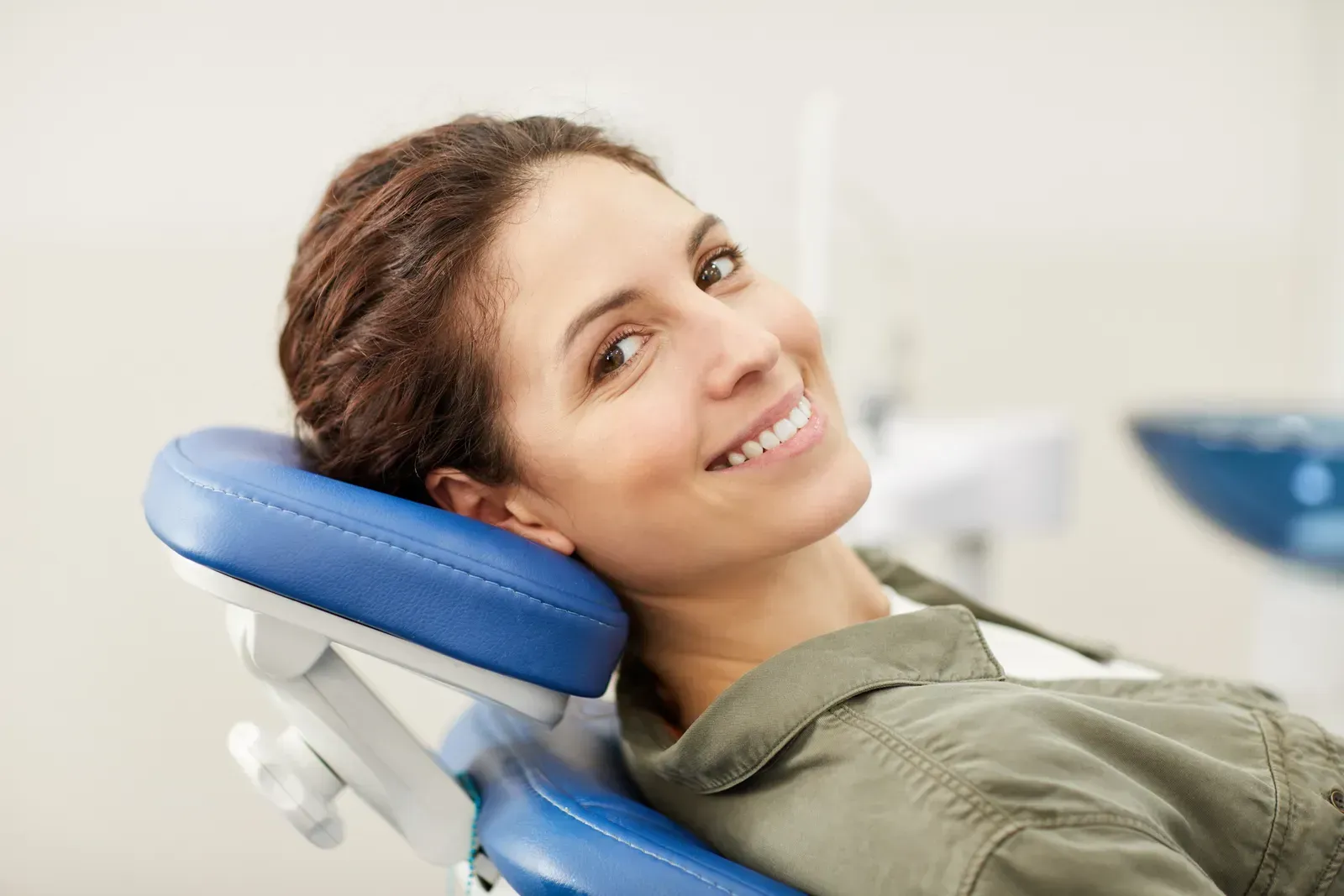
A well-fitted fixed bridge does far more than close a visible gap. It restores function, stability, and comfort that many patients had given up on, often without realizing how much their missing tooth had been quietly affecting their daily life.
A bridge redistributes bite force evenly across your jaw again, so you can return to eating the foods you enjoy, from crusty bread to fresh vegetables, without favoring one side of your mouth or avoiding certain textures altogether.
Custom porcelain or ceramic pontics are shaded and shaped to blend with your existing teeth. Most people meeting you for the first time will never notice a restoration is there at all.
Gaps in the front or side of the mouth can cause whistling or slurred sounds when speaking. A bridge fills the space so your tongue and lips can form words naturally again.
Once a tooth is missing, neighboring teeth tend to tilt or drift into the open space over time. A bridge holds everything in its proper position, preventing a cascade of orthodontic problems down the road.
When a tooth is missing, opposing teeth can over-erupt into the gap, creating uneven wear patterns and jaw strain. Replacing the tooth keeps your entire bite working in harmony.
With proper care, a well-made fixed bridge can last ten to fifteen years or longer. The materials we use, including zirconia and porcelain-fused-to-metal, are selected for strength and resistance to everyday wear.
Unlike a removable partial, a fixed bridge is cemented in place. You brush and floss it the same way you care for your natural teeth, with no soaking, clasps, or nightly removal routine.
Patients consistently tell us that the simple ability to laugh, smile, and speak without hesitation changes how they feel in social and professional settings alike.
Every patient's situation looks a little different, and symptoms of a missing tooth can show up gradually rather than all at once. Here are the signs our Glendora patients most often describe before coming in for an evaluation.
You're missing one tooth or a few teeth in a row, and the healthy teeth on either side of the gap are strong enough to support a crown.
You find yourself favoring one side of your mouth when eating, which can lead to uneven jaw muscle development and soreness over time.
You've noticed neighboring teeth starting to tilt or lean into the open space left by a missing tooth.
Your bite feels different than it used to, with teeth meeting unevenly or new pressure points that weren't there before.
You cover your mouth, avoid photos, or feel hesitant to laugh openly because of a visible gap.
You've noticed a whistle, lisp, or unclear pronunciation since losing a tooth, particularly if the gap is near the front of your mouth.
You're tired of a removable partial denture that shifts, clicks, or feels bulky, and you want a more stable, permanent alternative.
Chronic chewing on one side has started to cause jaw fatigue, tension headaches, or soreness in your facial muscles.
The area around a missing tooth has started to look sunken, a sign that the underlying bone is beginning to resorb.
Your adjacent teeth are free of significant decay or gum disease, making them good candidates to serve as sturdy anchors for a bridge.
Because every mouth heals and shifts differently, a thorough clinical exam and set of X-rays are the only reliable way to confirm whether a fixed bridge, an implant, or another restorative option is the right fit before the gap causes further strain on your bite.
Tooth loss rarely happens for just one reason. Usually, a combination of factors builds up over years before a tooth finally has to be removed or falls out on its own.
Cavities that progress deep into the tooth structure can eventually require extraction when the damage is too extensive to restore with a filling or crown.
Periodontal disease breaks down the bone and ligaments holding teeth in place, often loosening them to the point of loss if left untreated.
A sports injury, fall, or car accident can fracture or knock out a tooth instantly, even in patients with otherwise excellent oral health.
An old crown, filling, or root canal that eventually fails can leave a tooth too weak to save, especially after repeated repair attempts.
Long-term clenching or grinding places excessive force on tooth structure, leading to cracks and fractures that may ultimately require extraction.
Some patients are naturally born missing one or more teeth, a condition that can be addressed just as effectively with a fixed bridge.
Decades of normal chewing gradually thin enamel and weaken tooth structure, increasing the risk of fracture as patients get older.
Skipping routine checkups allows small problems to go unnoticed until they become serious enough to threaten the tooth entirely.
Every fixed bridge we place is custom-designed around your specific bite, gum health, and smile goals. Here is what you can expect from the first conversation through to your final fitting.
We start by learning about your history, your concerns, and your goals for the missing tooth, whether that's comfort, appearance, speech, or all three. This conversation shapes every recommendation that follows.
We examine the supporting teeth and gum tissue closely, then take digital X-rays to assess bone level and root health around the gap. This step confirms whether a traditional bridge, implant-supported bridge, or another approach best suits your mouth.
The supporting teeth are gently reshaped to accept crowns, and precise impressions or digital scans are taken to send to our dental lab. A temporary bridge is placed so you're never left without a tooth while your custom restoration is crafted.
Your bridge is fabricated from durable materials such as zirconia or porcelain-fused-to-metal, color-matched to your natural teeth down to the shade and translucency. This process typically takes one to two weeks.
We check the bridge's fit, bite alignment, and appearance carefully before cementing it permanently in place. Any small adjustments are made right at this visit so it feels completely natural.
We schedule a follow-up visit to confirm your bite feels right and the bridge is settling comfortably. From there, regular checkups and cleanings keep your restoration performing well for years to come.
A fixed bridge only performs as well as the materials and craftsmanship behind it. Every time you bite down, significant force travels through the pontic and into the supporting teeth beneath it. If the restoration is poorly fitted or made from weaker materials, that force can lead to premature wear, chipping, or even failure of the supporting teeth over time. This is why we use zirconia and high-strength ceramic materials that mimic the density and translucency of natural enamel while withstanding years of everyday chewing forces.
Precision at the margins, the microscopic seam where the bridge meets your natural tooth, is just as critical. A poorly sealed margin allows bacteria to collect underneath the crown, putting the supporting tooth at risk for new decay beneath a restoration that looks perfectly healthy from the outside. We use detailed digital impressions and careful lab communication to minimize these gaps, which protects both the appearance and the long-term health of your bite.
Left unaddressed, a missing tooth gap tends to worsen rather than stay the same. Bone naturally recedes without a tooth root to stimulate it, neighboring teeth drift further out of position each year, and the bite becomes progressively more uneven. Addressing the gap sooner rather than later typically means a simpler procedure, a more predictable fit, and a lower chance of needing more extensive treatment down the road.
A fixed bridge can last well over a decade with the right daily habits. These small routines go a long way toward protecting both the restoration and the natural teeth supporting it.
Use a floss threader or water flosser to clean beneath the replacement tooth each night. Food debris and plaque that collect in this area are a leading cause of gum irritation around bridges.
Steer clear of biting directly into ice, hard candy, or unpopped popcorn kernels. These habits put sudden stress on the bridge and the teeth anchoring it.
If you clench or grind your teeth at night, a custom nightguard protects your bridge from the repetitive pressure that can loosen or crack it over time.
Regular professional cleanings remove buildup around the margins of the bridge that a toothbrush alone cannot reach, helping prevent decay in the supporting teeth.
Gently brush along the gumline where the bridge meets your gum tissue, which helps prevent inflammation and keeps the area healthy.
If a bridge ever feels loose, uneven, or sensitive, let us know promptly rather than waiting for your next checkup. Small issues are far easier to resolve early.
These habits support the long-term success of your bridge, but they are no substitute for regular professional evaluation. Our team is always the right resource whenever something feels off.
If a missing tooth has been affecting the way you eat, speak, or smile, a fixed bridge could be the lasting solution you've been waiting for. Our Glendora team is ready to walk you through your options with a straightforward, no-pressure consultation.
Visit us in Glendora, California, or call us directly to schedule your appointment.
Here are answers to the questions our Glendora patients ask most often before deciding on a fixed bridge.
With good oral hygiene and regular professional checkups, a fixed bridge commonly lasts between ten and fifteen years, and many patients enjoy even longer service from theirs. Longevity depends on factors such as the health of the supporting teeth, the materials used, and daily habits like grinding or chewing on hard foods. Keeping up with cleanings and avoiding excessive force on the bridge are the biggest factors in extending its lifespan.
The tooth preparation and placement process is done under local anesthesia, so most patients feel little to no discomfort during the appointment. Some mild sensitivity to temperature or pressure is normal for a few days afterward as the supporting teeth adjust to their new crowns. Over-the-counter pain relievers are typically all that's needed, and any lingering discomfort should be reported to our office.
A fixed bridge replaces a missing tooth by anchoring a replacement to the natural teeth on either side of the gap, while a dental implant uses a titanium post placed directly into the jawbone to support a single crown. Bridges typically require less healing time and fewer appointments, while implants preserve bone and don't require altering adjacent healthy teeth. The right choice depends on the health of your supporting teeth, bone density, and personal preference, which we review during your consultation.
Most fixed bridges are completed in two main visits, spaced about one to two weeks apart to allow time for lab fabrication. The first visit involves preparing the supporting teeth and taking impressions, while a temporary bridge protects the area in between. The second visit involves fitting, adjusting, and permanently cementing your custom-made restoration.
Yes, once your bridge is fully cemented, you can eat the vast majority of foods you enjoyed before tooth loss, including meats, fresh produce, and crusty bread. We do recommend avoiding extremely hard foods like ice or hard candy, which can chip or stress the restoration over time. Most patients adapt within a few days and forget they're even wearing a bridge.
Yes, modern bridge materials like zirconia and all-ceramic porcelain are carefully shade-matched to your natural teeth, replicating both color and translucency. Our team works closely with the dental lab to fine-tune size, shape, and surface texture so the bridge blends seamlessly with your smile. Most people will never notice the restoration is there.
Many dental insurance plans provide partial coverage for fixed bridges since they're considered a medically necessary restorative treatment. Coverage amounts vary widely depending on your specific plan and annual benefit maximum. Our front desk team is happy to review your benefits and discuss flexible payment options before treatment begins.
If the teeth next to the gap show significant decay, weak structure, or gum disease, we may recommend treating those issues first or considering an implant-supported bridge instead. Placing a bridge on an unhealthy tooth can shorten its lifespan and lead to complications down the road. A thorough exam and X-rays help us determine the most predictable, long-lasting option for your specific case.
Glendora Healthy Smiles
Join the Glendora Healthy Smiles family and experience gentle, modern dental care designed around you. Book your visit today - we can't wait to meet you.