(626) 323-9443
 432 W Foothill Blvd, Glendora, CA 91741, USA

In pain? Call (626) 323-9443 for same-day care. In pain right now? Call (626) 323-9443 — same-day emergency appointments available.
In pain? Call (626) 323-9443 for same-day care. In pain right now? Call (626) 323-9443 — same-day emergency appointments available.
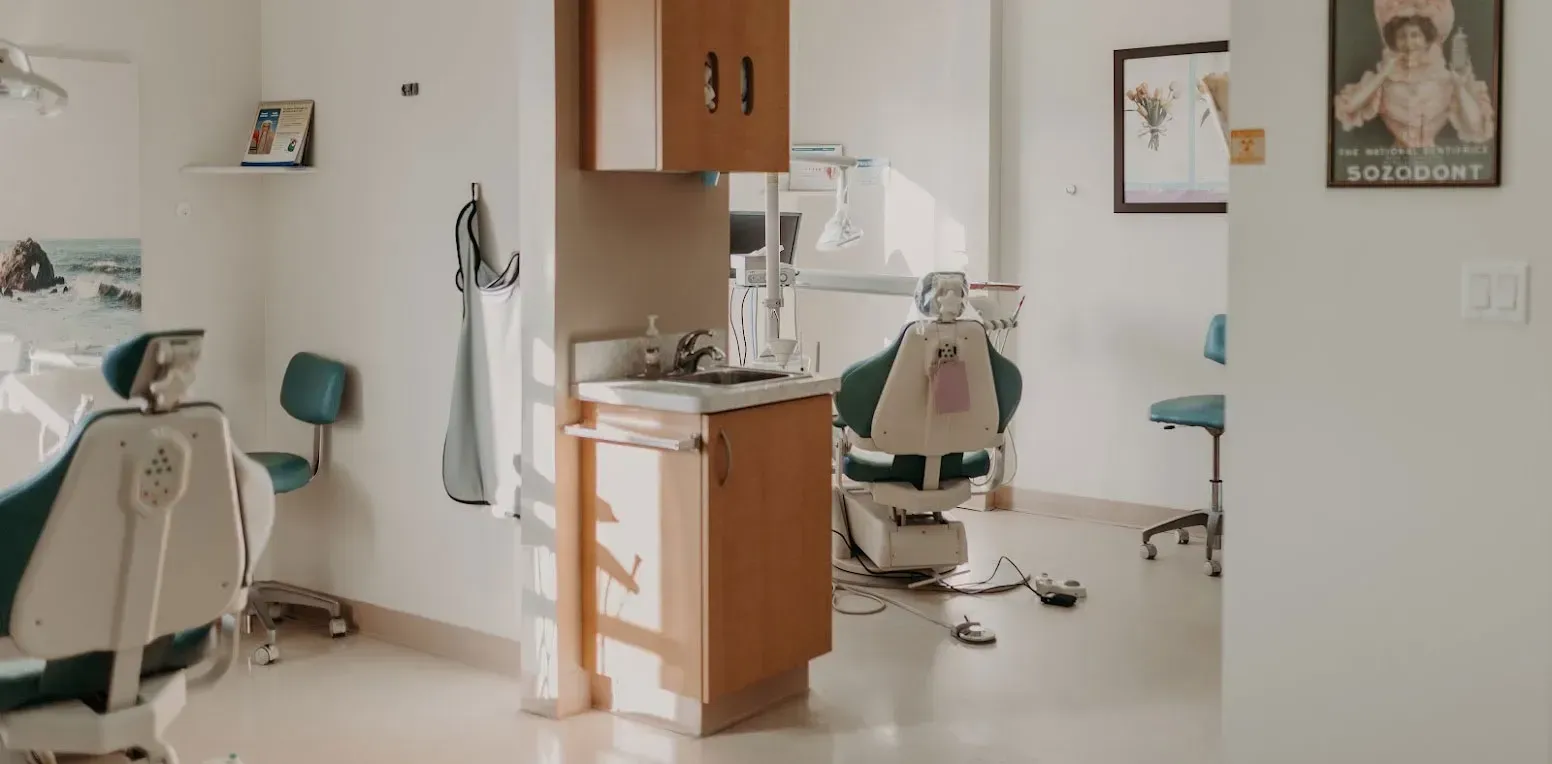
A thin protective coating that shields your child's molars from the cavities that form in hard-to-reach grooves and pits.
If you have ever wondered why your child's molars seem to get cavities no matter how carefully they brush, the answer usually comes down to anatomy. The chewing surfaces of back teeth are covered in narrow grooves and pits that a toothbrush bristle simply cannot reach. Food particles and bacteria settle into those crevices, and over months they quietly erode the enamel until a cavity forms, often before anyone notices a problem.
As part of the preventive care we provide under general dentistry at Glendora Healthy Smiles, dental sealants offer a simple, painless way to close off that vulnerability. A thin resin coating is painted onto the molars, flowing into every groove and hardening into a smooth, protective shield. It is one of the most effective, evidence-backed tools we have for keeping young smiles cavity-free through the years when new permanent teeth are most at risk.
We take a personalized approach with every family we see. Our team evaluates each tooth's groove pattern, your child's cavity risk, and their brushing habits at home before recommending sealants, so you always understand exactly why we suggest a particular treatment and what it will do for your family's long-term oral health.
Schedule a Consultation
Sealants do more than fill in a groove with resin. When placed correctly and monitored over time, they change the trajectory of a child's dental health, reducing treatment needs, discomfort, and expense for years to come.
Research consistently shows that sealed molars develop far fewer cavities than unsealed ones over the first several years after application. That protection translates directly into fewer fillings, less drilling, and a more comfortable childhood for your family.
There is no drilling, no anesthesia, and no discomfort involved in placing a sealant. Most children sit through the process in minutes and barely notice anything happened, which makes it an easy addition to a routine cleaning visit.
A properly bonded sealant can last several years under normal chewing forces, covering the exact window when permanent molars are newest and most susceptible to decay. We check their condition at every recall visit and recommend touch-ups as needed.
Preventing a cavity is always less expensive than treating one. Families who invest in sealants early typically spend far less over time on fillings, crowns, or root canals caused by decay that went undetected in deep grooves.
Knowing that your child's back teeth have an extra layer of defense gives you one less thing to worry about during the school year, especially when lunchboxes and snacks are harder to control than meals at home.
Protecting permanent molars as soon as they erupt sets the stage for a healthier adult mouth, reducing the cumulative wear and tear that leads to larger restorative work down the road.
Sealants target the chewing surfaces where fluoride is least effective, while fluoride strengthens the smooth surfaces between teeth. Together they provide much more complete cavity protection than either approach alone.
Because the process is so comfortable, sealants are often a child's first experience with a restorative-style treatment, building trust and confidence that makes future dental visits much easier for everyone.
Not every tooth needs a sealant, and candidacy varies from child to child depending on the shape of their molars and their individual cavity risk. These are the signals we look for during an exam.
Molars with pronounced, narrow fissures trap food and plaque far more easily than teeth with smoother, shallower chewing surfaces.
The six-year and twelve-year molars are prime candidates since they arrive with fully formed grooves before a child has mastered brushing technique.
A family pattern of decay-prone teeth often suggests similar enamel structure or grooves, which raises the benefit of early sealant placement.
Younger children and kids with braces or limited dexterity often struggle to clean molars thoroughly, leaving grooves more exposed to plaque buildup.
More frequent sugar exposure throughout the day feeds the bacteria that cause decay, making sealed grooves a valuable extra layer of defense.
If an exam shows the very beginning stages of enamel demineralization, a sealant can sometimes halt progression before a filling becomes necessary.
Households using well water or non-fluoridated water sources may have children with a higher baseline cavity risk that sealants can help offset.
Dark lines settled deep in a fissure can indicate trapped bacteria, which is a strong visual cue that sealing the tooth now will prevent further breakdown.
Braces make brushing molars thoroughly even harder, so many orthodontic patients benefit from sealants placed before or during treatment.
While sealants are most common in children, adults with deep grooves and no existing fillings can also benefit from this preventive coating.
Because every tooth is shaped differently, a comprehensive exam is the only reliable way to determine which molars will genuinely benefit from a sealant. We examine groove depth, existing wear, and risk factors before recommending treatment, so you are never paying for coverage your child does not need.
Cavities rarely come from a single cause. A combination of anatomy, habits, and exposure usually builds together to create the perfect environment for decay in the back teeth.
Molars develop with grooves narrower than a single toothbrush bristle, physically preventing a brush from ever fully cleaning them.
Bacteria thrive in those trapped grooves, feeding on leftover sugars and producing the acid that gradually wears down enamel.
Frequent snacking on sticky or sugary foods keeps acid levels elevated throughout the day, accelerating enamel breakdown in vulnerable grooves.
Children, and even many adults, tend to brush the smooth front surfaces more thoroughly than the chewing surfaces of back molars.
Saliva naturally neutralizes acid and washes away food debris, so children with reduced saliva flow face a higher cavity risk in deep grooves.
Without regular fluoride from water, toothpaste, or professional treatments, enamel has less natural resistance to the acid produced by plaque.
Some children are simply born with softer or more porous enamel, making their teeth inherently more susceptible to decay despite good habits.
Skipping routine checkups means early warning signs in the grooves go unnoticed until decay has already progressed into dentin.
Placing a sealant is one of the simplest procedures we perform, but we still follow a careful, step-by-step process to make sure the bond is strong and the fit is precise for your child's teeth.
We start by discussing your child's brushing habits, diet, and any history of cavities so we understand their individual risk level before recommending any treatment.
Our dentist examines each molar closely, checking groove depth and looking for any early decay that should be addressed before sealing the tooth closed.
The tooth is cleaned and dried thoroughly, and a mild conditioning gel is applied briefly to help the sealant bond securely to the enamel surface.
A tooth-colored resin is painted directly into the grooves, flowing into every pit before a curing light hardens it into a smooth, durable surface within seconds.
We check your child's bite to confirm the sealant feels completely comfortable and does not interfere with how the teeth come together when chewing.
At every future cleaning, we check the sealant's condition and reapply or touch up as needed to keep protection consistent through the growing years.
It can feel surprising that something as simple as a painted resin coating has such a large impact on long-term oral health, but the biology behind it is straightforward. Decay almost always begins where bacteria can sit undisturbed long enough to produce acid. By physically closing off the grooves where that bacteria would normally hide, a sealant removes the environment decay needs to take hold in the first place.
Left untreated, early decay in a groove is often invisible to the naked eye until it has already spread into the softer dentin layer beneath the enamel. At that point, a simple sealant is no longer an option, and the tooth typically needs a filling, or in more advanced cases, a crown. Each step up in treatment brings more cost, more time in the chair, and a greater chance of future sensitivity or complications for that tooth.
Sealants interrupt that progression at its earliest, least invasive point. Because the procedure does not involve removing any tooth structure, it carries virtually no risk and requires no recovery time. Combined with regular brushing, fluoride, and checkups, sealants give molars the structural advantage they need to make it through childhood and adolescence without developing the deep cavities that are so common in unprotected grooves.
Sealants work best as part of a broader routine of daily care. These simple habits help your child's teeth stay strong between dental visits.
Consistent brushing clears away plaque from the smooth tooth surfaces that sealants do not cover, working hand in hand with the sealed grooves.
Reducing frequent sugar exposure lowers the amount of acid plaque bacteria can produce throughout the day across all tooth surfaces.
Hard chewing habits can chip a sealant prematurely, so encourage your child to avoid biting on ice, pens, or other hard, non-food items.
Regular professional cleanings let us check the sealant's integrity and catch any wear early, before bacteria find a way underneath it.
For children with a higher cavity risk, an additional fluoride rinse can strengthen enamel on surfaces that sealants are not designed to cover.
If your child notices a sealant feels rough, chipped, or partially missing, let us know so we can evaluate and repair it at your next visit.
These habits meaningfully support the protection sealants provide, but they are not a substitute for professional evaluation. Only a dental exam can confirm whether a sealant is still intact and functioning as intended.
A quick, comfortable visit now can spare your family years of fillings and dental work later. Let our team check whether sealants are the right fit for your child's smile.
Visit us at Glendora Healthy Smiles, Glendora, CA - or call us directly at (626) 555-1234.
Here are answers to the questions Glendora families ask us most often about dental sealants.
Dental sealants typically last several years under normal chewing forces, though their lifespan varies depending on diet and chewing habits. We check their condition at every routine cleaning and can reapply or touch up a sealant that shows wear. Many sealants remain fully effective well into the teenage years when applied early on permanent molars.
Most children benefit from sealants as soon as their first permanent molars erupt, usually around age six, and again when the second molars arrive around age twelve. Sealing a tooth shortly after it erupts gives maximum protection before cavities have a chance to start. We evaluate eruption timing at each checkup to recommend the right moment for your child.
No, applying a sealant is completely painless and does not require any drilling, numbing, or anesthesia. The tooth is cleaned, a conditioning gel is applied briefly, and the resin is painted on and hardened with a curing light. Most children find the process quick and comfortable, often finishing within a few minutes per tooth.
Yes, adults with deep grooves and no existing decay or fillings on their molars can benefit from sealants as well. While sealants are most commonly placed in childhood, it is never too late to add this extra layer of protection if an exam shows the tooth is a good candidate. We assess adult patients the same way we assess children.
No, sealants only protect the chewing surfaces of back teeth and do not cover the sides or areas between teeth. Brushing twice a day and flossing daily remain essential to prevent cavities on the surfaces a sealant cannot reach. Think of sealants as one additional layer of defense, not a replacement for a full oral hygiene routine.
Many dental insurance plans, including most pediatric plans, cover sealants fully or partially as a preventive benefit, especially for children. Coverage details vary by plan, so our team will verify your benefits before treatment and walk you through any out-of-pocket costs. We are happy to help you understand your specific coverage.
Sealants can wear down gradually or occasionally chip off a portion of a tooth, particularly with heavy chewing or grinding habits. This is why we check sealants at every cleaning and reapply sections as needed to maintain full coverage. If your child mentions a rough spot or missing piece, we recommend scheduling a check sooner rather than waiting for the next routine visit.
Sealants can be applied to baby molars with deep grooves, particularly if a child has a high cavity risk or difficulty brushing thoroughly. The application process is identical to that used on permanent teeth, though we evaluate each baby tooth individually since some will be replaced naturally. Our team will explain which teeth in your child's mouth are the best candidates at each stage of development.
Glendora Healthy Smiles
Join the Glendora Healthy Smiles family and experience gentle, modern dental care designed around you. Book your visit today - we can't wait to meet you.