(626) 323-9443
 432 W Foothill Blvd, Glendora, CA 91741, USA

In pain? Call (626) 323-9443 for same-day care. In pain right now? Call (626) 323-9443 — same-day emergency appointments available.
In pain? Call (626) 323-9443 for same-day care. In pain right now? Call (626) 323-9443 — same-day emergency appointments available.
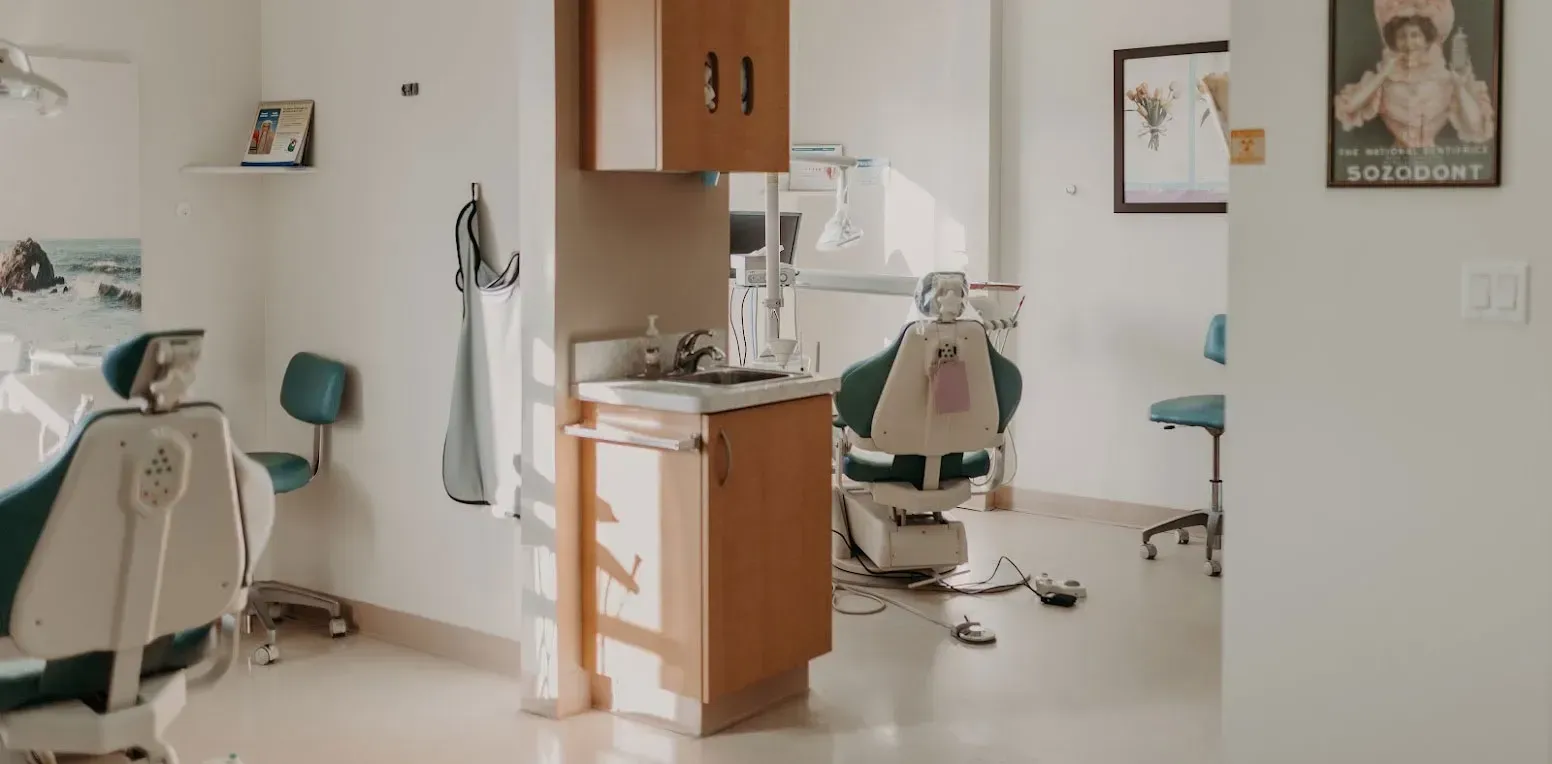
Ongoing cleanings and evaluations designed to keep periodontal disease from returning and your gums healthy for the long run.
It only takes twenty-four hours for plaque that is not removed from your teeth to turn into calculus (tartar)! Daily home cleaning helps control plaque and tartar formation, but those hard-to-reach areas will always need special attention.
Once your periodontal treatment has been completed, your dentist and dental hygienist will recommend that you have regular maintenance cleanings (periodontal cleanings), usually four times a year. At these cleaning appointments, the pocket depths will be carefully checked to ensure that they are healthy. Plaque and calculus that is difficult for you to remove on a daily basis will be removed from above and below the gum line.
Our team at Glendora Healthy Smiles builds every maintenance schedule around your specific pocket depths and risk factors, so your gum tissue stays stable long after your initial periodontal treatment is complete.
Schedule a Consultation
In addition to your periodontal cleaning and evaluation, your appointment will usually include:
Essential for detection of decay, tumors, cysts, and bone loss. X-rays also help determine tooth and root positions.
Check current fillings, crowns, etc.
Check all tooth surfaces for decay.
Check the face, neck, lips, tongue, throat, cheek tissues, and gums for any signs of oral cancer.
Review and recommend oral hygiene aids as needed. (Electric toothbrushes, special periodontal brushes, fluorides, rinses, etc.)
Remove stain and plaque that is not otherwise removed during tooth brushing and scaling.
"Good oral hygiene practices and periodontal cleanings are essential in maintaining dental health and keeping periodontal disease under control!"
Gum health changes gradually, and the warning signs are not always obvious at home. These are the symptoms we watch for most closely during a maintenance appointment, and the ones that should prompt you to call us sooner rather than waiting for your next scheduled visit.
Pink in the sink is never "normal," even if it has become routine for you. Bleeding usually signals inflammation below the gumline that daily brushing alone cannot resolve.
Healthy gum tissue is firm and pale pink. Swelling and deeper color are classic signs that plaque and bacteria have accumulated along the gumline.
Odor that returns no matter how often you brush is frequently tied to bacteria trapped in periodontal pockets. A maintenance cleaning removes the source rather than just masking the symptom.
Recession can make teeth look longer and expose root surfaces that are more sensitive and more prone to decay. Catching it early helps us slow further progression.
Loosening is often a later-stage sign that supporting bone and ligament structures have been affected. We measure pocket depths at every visit specifically to catch this trend early.
Shifting teeth can create spaces that trap food and make home cleaning even harder, creating a cycle that accelerates further gum breakdown.
If your teeth suddenly meet differently when you bite down, it can point to bone or attachment changes that need a closer look at your next appointment.
Exposed root surfaces from recession can make teeth react sharply to hot, cold, or sweet foods, a common sign that maintenance intervals may need adjusting.
Localized infection around one tooth needs prompt attention and should never wait for your next routine cleaning date.
Once gum disease has been treated, the tissue remains more vulnerable to relapse, which is exactly why consistent maintenance cleanings matter so much going forward.
Because periodontal disease rarely causes pain until it has progressed, a thorough evaluation at every maintenance visit is the only reliable way to catch these changes before they affect the long-term stability of your teeth.
Several everyday factors contribute to how quickly plaque hardens into tartar and how much buildup forms between your maintenance cleanings. Understanding these helps explain why some patients need visits every three months while others can space them slightly further apart.
Pockets created by previous gum disease are difficult to clean with a toothbrush alone, giving bacteria a protected space to multiply.
Overlapping or crowded teeth create tight spaces that floss and brushes struggle to reach, allowing plaque to sit undisturbed.
Saliva naturally rinses away food debris and bacteria. Medications or health conditions that reduce saliva speed up plaque accumulation.
Tobacco restricts blood flow to the gums and makes it harder for tissue to heal, which allows plaque-related inflammation to progress more quickly.
Conditions that affect healing and inflammation response, such as diabetes, are closely linked to faster gum disease progression and heavier tartar buildup.
Skipping flossing or brushing too quickly leaves plaque along the gumline long enough to mineralize into tartar within a day or two.
Edges around older fillings or crowns can create tiny ledges where plaque collects more readily than on smooth natural enamel.
Some patients are simply more prone to tartar formation and gum inflammation regardless of home care, which is why individualized maintenance schedules matter.
Every maintenance appointment follows a careful, consistent sequence so nothing is overlooked and your treatment plan stays current with how your gums are responding over time.
We start by reviewing any changes to your medical history, medications, or concerns you have noticed since your last visit, so your care plan reflects your current health.
Our hygienist gently measures the depth around each tooth to confirm pockets remain healthy and to flag any areas that may need closer attention going forward.
Using specialized instruments, we remove hardened tartar and bacterial buildup from above and below the gumline in areas your home routine simply cannot reach.
We examine x-rays, existing restorations, and all tooth surfaces for decay, plus perform an oral cancer screening of your face, neck, and oral tissues.
We finish by polishing away surface stain, then walk through any home care adjustments, from specialty brushes to rinses, that will help protect your gums until your next visit.
Once periodontal pockets have formed, the tissue around your teeth stays more susceptible to reinfection even after successful treatment. A standard six-month cleaning schedule, appropriate for patients with consistently healthy gums, simply does not give bacteria enough time to rebuild between visits for someone with a periodontal history. That is why most patients who have completed periodontal therapy move to a three-month maintenance interval instead.
At each three-month visit, we are not just cleaning teeth; we are actively monitoring pocket depths, bleeding on probing, and any early signs of attachment loss. Catching a slight increase in pocket depth at month three, rather than month six, often means the difference between a simple deeper cleaning and a referral for more involved periodontal therapy. This shorter interval gives plaque and tartar far less time to re-colonize below the gumline, keeping bacterial levels low enough for your immune system and your home care routine to stay in control.
Left unmanaged, periodontal disease progresses quietly, continuing to break down the bone and ligament that hold your teeth in place long after the gums stop bleeding noticeably. Consistent maintenance cleanings interrupt that cycle at its source, which is why we consider this schedule a core part of your long-term treatment rather than an optional add-on.
What you do at home between appointments has a direct impact on how your gums respond at your next maintenance cleaning. These habits help protect the progress we make together in the chair.
Brushing alone misses roughly a third of each tooth's surface. Daily flossing or interdental brushes clear the areas where plaque most often hardens into tartar.
Electric toothbrushes with pressure sensors can reach the gumline more consistently and reduce the risk of damaging soft tissue with hard scrubbing.
If recommended at your visit, a therapeutic rinse can help keep bacterial levels down in pockets that are harder to reach with brushing alone.
Frequent sugar exposure feeds the same bacteria responsible for plaque and tartar buildup, so spacing out snacks gives your saliva time to neutralize acid.
Tobacco slows gum healing significantly. Cutting back improves blood flow to the tissue and helps your gums respond better to each cleaning.
Skipping or delaying a cleaning, even by a few weeks, gives bacteria extra time to rebuild in pockets. Staying on schedule keeps your gum health stable year after year.
These habits make a real difference, but they work alongside professional maintenance cleanings, not in place of them. Only a hygienist can remove tartar that has already hardened below the gumline.
Consistent periodontal maintenance is one of the most effective ways to keep gum disease from returning. Let our team build a cleaning schedule tailored to your pocket depths and risk factors so your smile stays protected.
Glendora Healthy Smiles · 815 E Route 66, Glendora, CA 91740 · (626) 852-4984
Here are answers to the questions patients ask us most often about ongoing periodontal maintenance cleanings in Glendora.
A regular cleaning focuses on surfaces above the gumline for patients with healthy gum tissue, while a periodontal maintenance cleaning includes removing plaque and calculus from both above and below the gumline. It also includes careful pocket depth measurements at every visit to track your gum health over time. This deeper, more involved process is reserved for patients who have been previously treated for gum disease.
Once periodontal pockets have formed, bacteria can rebuild in those areas much faster than in healthy gum tissue. A three-month interval gives us the opportunity to remove buildup before it causes further damage to the bone and tissue supporting your teeth. Patients who stay on this schedule typically see much more stable results long term.
Most patients feel mild pressure or sensitivity rather than real pain, especially if there is active inflammation present. We can apply topical numbing gel to sensitive areas if needed, and the discomfort typically decreases with each subsequent visit as your gum health stabilizes. Please let us know immediately if you feel significant discomfort so we can adjust our approach.
Many dental plans provide coverage for periodontal maintenance, though benefits and frequency limits vary by provider. Our team verifies your benefits before your visit and explains any out-of-pocket costs clearly so there are no surprises. We are happy to help you understand exactly what your specific plan covers.
Skipping even one maintenance visit gives bacteria additional time to rebuild in periodontal pockets, which can allow
Glendora Healthy Smiles
Join the Glendora Healthy Smiles family and experience gentle, modern dental care designed around you. Book your visit today - we can't wait to meet you.