(626) 323-9443
 432 W Foothill Blvd, Glendora, CA 91741, USA
In pain? Call (626) 323-9443 for same-day care. In pain right now? Call (626) 323-9443 — same-day emergency appointments available.
In pain? Call (626) 323-9443 for same-day care. In pain right now? Call (626) 323-9443 — same-day emergency appointments available.
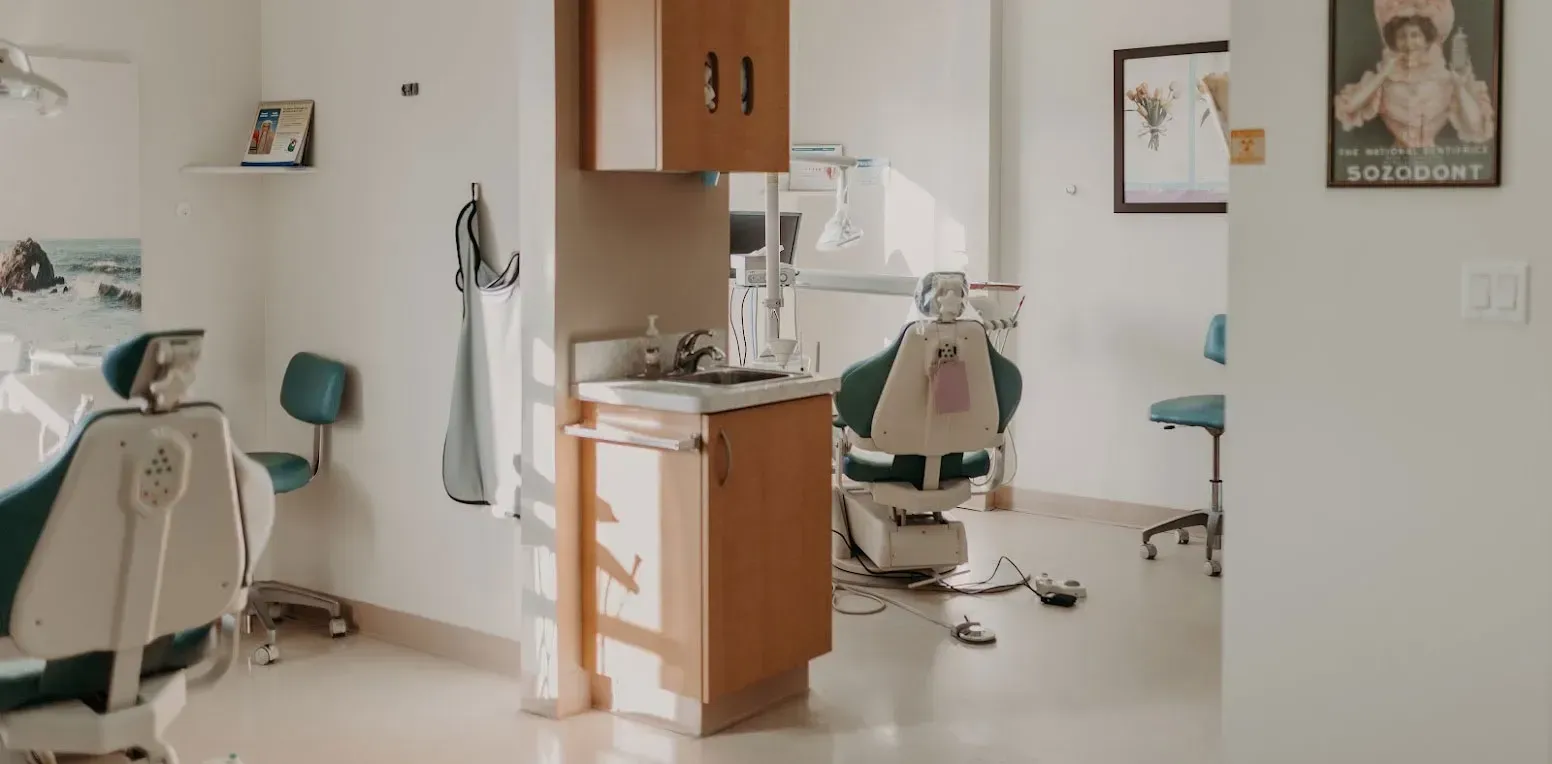
Daily brushing and flossing habits set the stage for every checkup - our team helps you build a routine that actually protects your smile.
Most of what determines whether a checkup goes smoothly or turns into a conversation about a filling happens long before you sit in our chair. It happens at your bathroom sink, at breakfast, and right before bed. Plaque builds on tooth surfaces continuously, and if it is not disturbed consistently, it hardens into tartar, irritates gum tissue, and opens the door to cavities and early gum disease - problems that are far easier to prevent than to treat.
As part of General Dentistry at Glendora Healthy Smiles, home care is not an afterthought we mention on your way out the door. It is a core piece of how we protect your teeth between visits, and we spend real time showing patients of every age exactly how to brush, floss, and care for their mouths in ways that fit their actual lives. A toothbrush used the wrong way or floss that only reaches half the gumline leaves gaps that bacteria happily fill.
We also know that home care looks different for a seven-year-old with new permanent teeth, a busy parent managing braces for a teenager, and an adult with crowns or dental work to protect. Our approach starts with understanding your mouth specifically, then builds a routine around it rather than handing you a generic pamphlet.
Schedule a Consultation
Good home care is not about perfection - it is about consistency and technique. When patients in Glendora commit to a routine we help design together, the benefits reach far beyond fresher breath. Here is what shows up in your mouth, and in your checkup results, when daily habits are dialed in.
Removing plaque twice a day keeps the acid-producing bacteria that cause decay from having enough time to damage enamel. Patients who brush and floss thoroughly consistently arrive at their six-month visit with fewer, smaller, or no new cavities compared to years prior.
Gum tissue that is cleaned properly along the gumline stops bleeding, swelling, and feeling tender to the touch. Over time, this reduces your risk of gingivitis progressing into periodontal disease, which is far more difficult and costly to reverse.
Fillings, crowns, and bridges fail faster when plaque accumulates around their margins. Thorough daily cleaning around restorations keeps the surrounding tooth structure healthy, which protects your investment in previous dental treatment.
Chronic bad breath is usually tied to bacteria trapped between teeth and on the tongue, not to what you ate for lunch. A routine that includes flossing and tongue cleaning addresses the source rather than just masking the smell temporarily.
When plaque and tartar buildup are kept to a minimum at home, your professional cleanings go faster and feel more comfortable. There is simply less for our hygienist to remove, which means less time in the chair for you.
Clean, well-maintained teeth look brighter and healthier without any cosmetic treatment at all. Many patients notice their smile simply looks better once a consistent routine removes surface stain and buildup.
Preventing decay and gum disease at home is dramatically less expensive than treating them later. Strong home care reduces the likelihood of needing fillings, root canals, or periodontal therapy down the road.
Children who learn correct brushing and flossing habits early carry them into adulthood. Establishing a positive routine now sets the foundation for a lifetime of fewer dental problems.
Not everyone notices when their home care habits are falling short, because early warning signs are often subtle. Pay attention to the following clues the next time you brush and floss - they often point to spots that need more focused attention.
Bleeding gums when you brush or floss. This is one of the earliest and clearest signs of gum inflammation, and it usually means plaque is sitting too long along the gumline.
Persistent bad breath. Breath that stays unpleasant even after brushing often signals bacteria trapped between teeth or on the back of the tongue.
A rough, fuzzy feeling on your teeth by afternoon. This usually means plaque is rebuilding faster than your morning routine removed it.
Visible tartar or yellow buildup near the gumline. Once plaque hardens into tartar, brushing alone cannot remove it, and professional cleaning becomes necessary.
New cavities at recent checkups. Repeated cavities, especially in the same areas, often point directly to gaps in cleaning technique.
Gums that look puffy, dark red, or receding. Changes in gum color and shape are signs of inflammation that daily cleaning habits can help reverse if caught early.
Floss that shreds or snags in the same spot. This often means a tight contact, old filling edge, or small cavity forming between two teeth.
Tooth sensitivity to cold or sweets. Sensitivity can indicate enamel wear or gum recession, both of which are often worsened by improper brushing pressure.
A toothbrush that wears out fast or has splayed bristles. This usually points to brushing too hard, which damages enamel and gum tissue over time instead of cleaning more effectively.
Difficulty reaching back teeth or areas around braces. These harder-to-reach spots are common blind spots where plaque quietly accumulates undetected.
If any of these sound familiar, it does not mean you are doing something wrong on purpose - most home care gaps come from technique, not effort. A hands-on evaluation lets us show you exactly where your routine needs adjusting before small issues become bigger, more expensive problems.
Home care problems rarely come down to laziness. Most of the time, a handful of small factors combine and quietly undermine an otherwise reasonable routine.
Scrubbing side to side with too much pressure, or missing the 45-degree angle along the gumline, leaves plaque behind even with diligent effort.
A toothbrush cannot reach between teeth, so skipping floss leaves roughly a third of each tooth's surface uncleaned every day.
Braces, bridges, implants, and crowded teeth all require different brushes or floss threaders; a generic routine often cannot keep up with these areas.
Constant grazing keeps your mouth in an acidic state throughout the day, giving bacteria a steady fuel source regardless of how well you brush at night.
Saliva naturally washes away bacteria and buffers acid; reduced saliva flow from certain medications or mouth breathing allows plaque to build up faster.
Bristles that are frayed or more than three months old lose their ability to sweep plaque away effectively, even with correct technique.
Busy mornings and late nights often lead to shortened brushing sessions or skipped flossing, which adds up to significant plaque buildup over weeks.
We never hand you a generic sheet of brushing instructions and send you on your way. Your home care guidance is built step by step around your mouth, your history, and your daily routine.
We start by asking about your current routine, any trouble spots, and products you already use. This conversation helps us understand where your habits are working well and where small changes could make a real difference.
We check your gums, enamel, and any restorations for signs of plaque buildup, inflammation, or wear patterns caused by brushing pressure. This tells us exactly which areas of your routine need reinforcement.
Rather than simply telling you what to do, we show you proper brushing angle, flossing motion, and pressure right in the chair. Patients consistently tell us this visual, hands-on guidance makes far more sense than reading instructions.
We suggest specific brushes, floss types, or rinses based on your mouth's actual needs, whether that means an electric brush, interdental brushes for braces, or a fluoride rinse for cavity-prone teeth.
At your next cleaning, we check how your gums and plaque levels have changed and fine-tune the plan further. Home care is never a one-time conversation; it adjusts as your mouth and life change.
Many patients brush twice a day faithfully and still develop cavities or gum irritation, which can feel confusing and discouraging. The issue is almost never a lack of effort; it is usually technique. Plaque is a soft, sticky film that reforms within hours, and it collects most aggressively in spots a rushed or imprecise brushing motion simply does not reach: along the gumline, between teeth, and on the chewing surfaces of back molars.
When plaque is left undisturbed in these areas, it hardens into tartar within 24 to 72 hours. Tartar is rough and porous, which gives bacteria an even easier surface to cling to, accelerating gum inflammation and, over time, bone loss around the teeth. Left unaddressed long enough, this progression moves from reversible gingivitis into periodontal disease, a condition that cannot be brushed away and often requires deeper professional treatment to manage.
This is exactly why we spend time on technique rather than simply reminding patients to brush more. A thirty-second correction to your flossing motion or brushing angle, demonstrated once in the chair, often prevents years of recurring cavities or gum sensitivity. Small adjustments, applied consistently, produce outsized results.
A handful of everyday habits reinforce everything we cover in your appointments. None of these replace brushing or flossing, but together they make your routine far more effective.
Most people brush for under a minute without realizing it. Use a timer or an electric brush with a built-in timer to cover all surfaces properly, twice a day.
Flossing at night clears out food debris before it sits against your gums for eight hours of sleep, which is when bacteria does the most damage.
Worn bristles clean far less effectively. Set a reminder or replace your brush head at the start of every season.
Spacing out snacks gives your saliva time to neutralize acid between meals, reducing the window of time bacteria have to attack enamel.
When brushing is not practical, swishing with water helps clear loose food particles and dilute acid until you can brush properly.
For patients prone to cavities, a fluoride rinse adds an extra layer of enamel protection between brushing sessions.
These habits make a real difference, but they work best alongside regular professional checkups. Home care supports what we do in the chair - it does not replace the thorough exams and cleanings that catch problems your toothbrush and floss simply cannot address.
If checkups keep turning up the same issues or you are simply unsure whether your brushing and flossing habits are doing enough, let's walk through it together. A short, hands-on review often makes all the difference.
1134 E Route 66, Glendora, CA 91740
(626) 852-3340
Here are answers to questions we hear often from patients working to improve their home care routine between visits.
Most people should brush for two full minutes, twice a day, and floss once daily, ideally before bed. Brushing after breakfast and again before sleep removes the plaque that accumulates throughout the day and overnight. Flossing once a day reaches the roughly one-third of tooth surfaces a toothbrush cannot clean. Consistency matters more than perfect timing, so build a routine that you can realistically maintain every day.
A soft-bristled toothbrush, either manual or electric, is recommended for most patients because medium or hard bristles can wear down enamel and irritate gums over time. Fluoride toothpaste is important for strengthening enamel and preventing cavities for nearly everyone. If you have sensitive teeth, gum recession, or braces, we can recommend a toothpaste or brush head specifically suited to your situation during your visit.
Bleeding gums usually indicate inflammation caused by plaque buildup along the gumline, a condition known as gingivitis. It can feel counterintuitive, but the solution is usually more consistent flossing, not less, since the bleeding typically subsides within one to two weeks of regular cleaning. If bleeding continues beyond that or is accompanied by swelling or pain, schedule an exam so we can check for more advanced gum disease.
No, mouthwash is a helpful addition but cannot physically remove plaque the way brushing and flossing do. Rinses can reduce bacteria, freshen breath, and in the case of fluoride rinses, strengthen enamel, but they do not replace the mechanical cleaning action of a toothbrush and floss. Think of mouthwash as a supplement to your routine rather than a shortcut around it.
Signs of brushing too hard include frayed or splayed bristles after only a few weeks of use, gum recession, and tooth sensitivity near the gumline. Brushing should feel gentle, almost like you are massaging your gums rather than scrubbing your teeth. If you notice these signs, switching to a soft-bristled brush and a lighter grip, or using an electric brush with a pressure sensor, usually solves the problem.
Patients with braces benefit from interdental brushes, floss threaders, or a water flosser to clean around brackets and wires effectively. Implant patients should use specific implant-safe floss and brushes that avoid scratching the abutment surface. During your visit, we assess your specific dental work and provide a tailored list of tools so you are never guessing which products actually fit your mouth.
Yes, in many cases. Cavities form when plaque bacteria produce acid that wears away enamel over time, and consistent, thorough brushing and flossing directly interrupt that process. Combined with fluoride exposure and regular professional cleanings, strong home care habits significantly reduce your risk of developing new cavities, though genetics and diet also play a role.
Most patients should still visit every six months for a professional cleaning and exam, even with an excellent home care routine. Tartar, once hardened, can only be removed with professional instruments, and routine exams catch issues like cavities between teeth or early gum disease that are not visible or noticeable at home. Great home care reduces problems between visits, but it does not eliminate the need for regular professional monitoring.
Glendora Healthy Smiles
Join the Glendora Healthy Smiles family and experience gentle, modern dental care designed around you. Book your visit today - we can't wait to meet you.