(626) 323-9443
 432 W Foothill Blvd, Glendora, CA 91741, USA
In pain? Call (626) 323-9443 for same-day care. In pain right now? Call (626) 323-9443 — same-day emergency appointments available.
In pain? Call (626) 323-9443 for same-day care. In pain right now? Call (626) 323-9443 — same-day emergency appointments available.
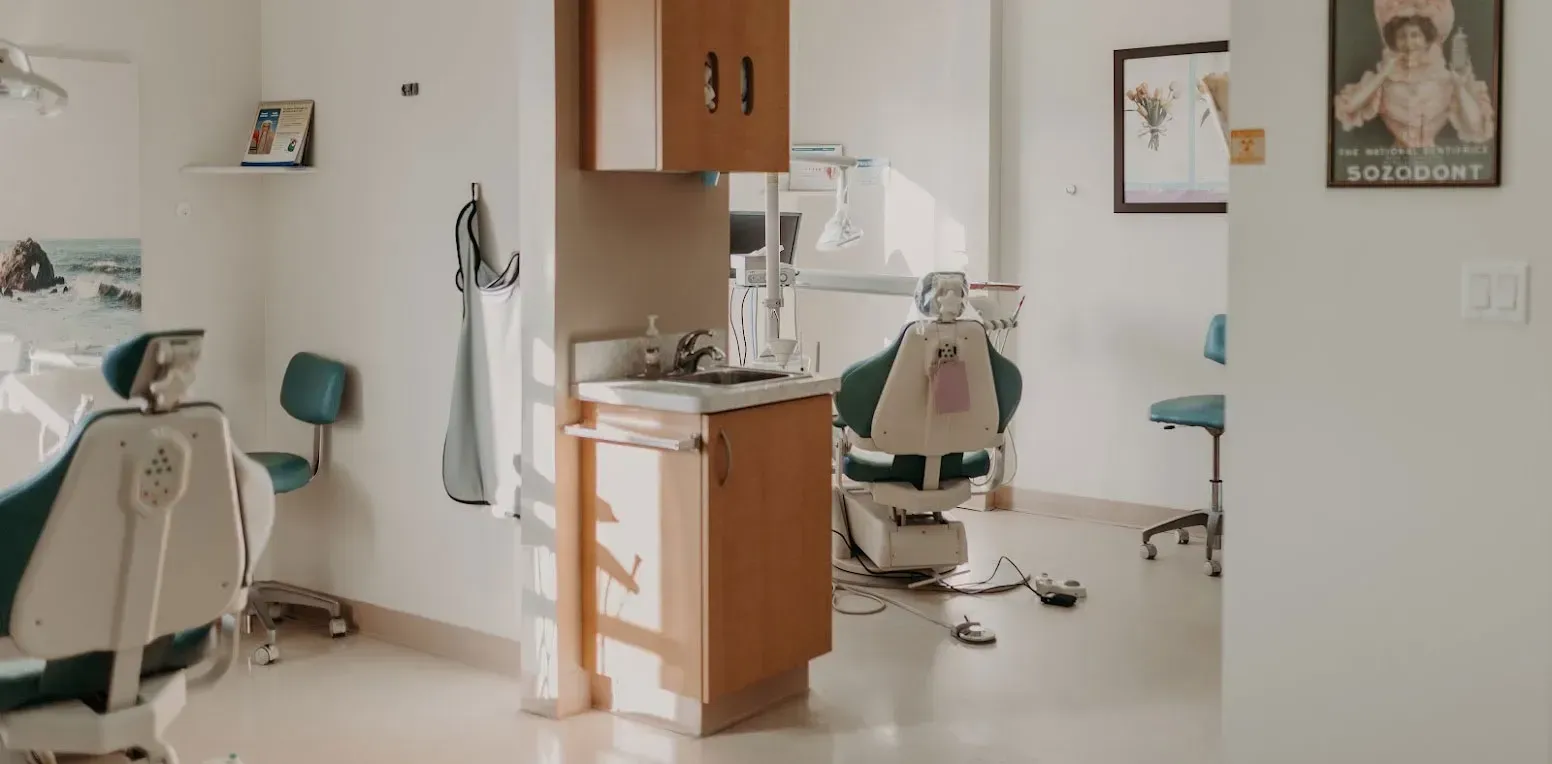
Precise evaluation and advanced imaging that uncover the true source of your dental concerns before any treatment begins.
Tooth pain that comes and goes, a bite that feels off, or a smile that just doesn't photograph the way you'd like - these concerns rarely have one simple cause. Patients often arrive at our Glendora office having tried whitening strips, over-the-counter pain relievers, or a different approach altogether, only to find the real issue was something they couldn't see or diagnose on their own.
Every tooth, gum, and jaw joint works together as one system. A chip that looks cosmetic can trace back to a bite misalignment. A dull ache can point to a cracked filling or early decay hiding beneath an old crown. Our diagnostic process is built to connect these dots instead of treating isolated symptoms, so the plan we recommend actually fixes what's happening underneath the surface.
This is especially important before any cosmetic work begins. Veneers, bonding, or a whitening plan built on top of an undiagnosed issue rarely holds up long-term. We take the time to look closely first, so the results you invest in are stable, healthy, and genuinely built to last.
Schedule a Consultation
A careful diagnosis does more than name a problem. It changes the entire trajectory of your care, often preventing bigger, more expensive issues down the road and giving cosmetic treatment a stable foundation to build on.
Instead of guessing which tooth is causing discomfort, digital imaging and bite testing identify the exact source. This means you're treated once, correctly, rather than cycling through trial-and-error appointments.
Knowing the true condition of your enamel, gums, and bite lets us recommend veneers, bonding, or whitening that will actually hold their color and shape for years, not months.
High-resolution X-rays and intraoral cameras reveal cracks and cavities long before they cause visible symptoms, giving us the chance to treat them with smaller, less invasive procedures.
A proper diagnostic workup checks how your teeth meet when you chew and speak, catching uneven pressure patterns that wear down enamel or strain the jaw joint over time.
When we map out everything going on in your mouth at once, you get a complete, honest picture of what's needed now versus what can be monitored, instead of one issue after another popping up unexpectedly.
Jaw tension and grinding often disrupt sleep without patients realizing the cause. Identifying these patterns early allows us to recommend simple interventions that restore restful nights.
Catching a problem at the diagnostic stage is almost always less expensive than treating it after it progresses into a root canal, extraction, or extensive cosmetic repair.
When you understand exactly why a treatment is recommended, backed by images and clear explanations, you can make decisions about your smile with genuine confidence instead of uncertainty.
Dental problems rarely announce themselves loudly at first. Here are the signs we most often hear about from Glendora patients right before a full diagnosis uncovers something worth addressing.
Sharp twinges when eating something hot, cold, or sweet often point to enamel wear, a hidden crack, or early decay that imaging can confirm.
If your teeth seem to touch differently than they used to, or chewing feels awkward on one side, your bite alignment likely needs evaluation.
Tension around the temples or a sore jaw upon waking can signal nighttime grinding or clenching that a diagnostic exam can identify.
Even small chips can run deeper than they appear, and imaging helps us confirm whether the crack extends toward the nerve.
Bleeding during brushing or flossing is an early sign of gum inflammation that should be measured and tracked, not ignored.
Ongoing bad breath that doesn't respond to brushing can point to bacteria trapped beneath the gumline or an old restoration that's failing.
Discoloration, gaps, or wear that make you self-conscious are worth diagnosing properly so any cosmetic fix addresses the actual cause.
Noises when opening or closing your mouth often indicate joint strain that benefits from early evaluation before it worsens.
Decay between teeth and bone loss around the roots are invisible to the naked eye and only show up on updated digital imaging.
Even if none of these feel urgent right now, small issues compound quietly over months and years. A comprehensive evaluation gives us the chance to intervene early, while treatment is still simple and conservative.
Most dental concerns build gradually from a combination of habits, genetics, and everyday wear. Understanding the root cause is exactly what separates a true diagnosis from a quick guess.
Stress-related grinding during sleep places far more force on teeth than normal chewing, gradually wearing down enamel and loosening restorations.
When teeth don't meet evenly, certain teeth absorb more pressure than they're built to handle, leading to fractures and uneven wear over time.
Fillings and crowns placed years ago can develop tiny gaps where bacteria sneak in, causing decay that's invisible without imaging.
Frequent consumption of soda, citrus, or coffee gradually softens enamel, making teeth more vulnerable to sensitivity and staining.
Inflammation that starts in the gums can quietly spread to the bone supporting your teeth if it isn't measured and monitored regularly.
Some patients are simply born with thinner enamel or a naturally tighter bite, making them more prone to certain issues regardless of habits.
A past sports injury or fall can cause hairline fractures that stay symptom-free for years before suddenly becoming painful.
Every patient's mouth tells a different story, so our diagnostic process is designed to listen first and treat second. Here is what to expect when you schedule a comprehensive evaluation with us.
We start by asking about your symptoms, concerns, and goals for your smile, giving us a baseline of what matters most to you before any instrument touches your teeth.
Dr. and our hygiene team examine every tooth, gum tissue, and jaw joint by hand, checking for wear patterns, mobility, and tenderness that signal underlying issues.
Digital X-rays and an intraoral camera let us see beneath the surface and behind restorations, capturing detail that's impossible to spot with the eye alone.
We walk you through your images and exam results in plain language, explaining what we found and what it means before recommending anything.
Whether treatment is urgent or elective, we outline a clear sequence of steps, timelines, and cost expectations so there are no surprises moving forward.
Decay between teeth, bone loss along the roots, and early cracks beneath old fillings share one thing in common: they're nearly impossible to see or feel without imaging. Digital X-rays expose these hidden problems while they're still small, which is the difference between a simple filling today and a root canal or extraction two years from now.
Bite analysis plays an equally important role, especially when cosmetic treatment is on the table. If veneers or bonding are placed over a bite that's already misaligned, the new material takes on abnormal pressure and often chips or loosens faster than expected. Mapping your bite first lets us either correct the alignment or design restorations that are built to handle your specific chewing pattern.
The goal of combining hands-on examination with imaging is simple: catch problems while they're still inexpensive and minimally invasive to treat. Left unaddressed, small cracks widen, decay spreads toward the nerve, and bite problems accelerate enamel wear across your whole arch. A thorough diagnostic visit interrupts that progression before it ever becomes a bigger, more costly conversation.
Good daily habits can't replace a professional diagnosis, but they absolutely help reduce the wear and inflammation we look for during your exam.
If grinding is identified during your exam, a custom nightguard protects enamel and reduces jaw tension while you sleep.
Cutting back on soda, citrus juice, and sports drinks slows enamel erosion and gives your teeth a chance to remineralize naturally.
Consistent flossing reduces the gum inflammation that can mask or mimic more serious underlying issues during an exam.
Since clenching often intensifies during stressful periods, simple stress-reduction habits can noticeably ease jaw tension over time.
Habits like chewing ice or pen caps place sudden, uneven force on teeth that are already more vulnerable to cracking.
Scheduling evaluations every six months means small changes get caught immediately, rather than during a reactive visit once pain begins.
These habits support a healthier mouth between appointments, but they are never a substitute for a trained eye and proper imaging. If something feels off, please don't wait for your next routine visit to have it checked.
Guessing at the cause of dental pain or a smile concern only delays the real solution. Come in for a comprehensive evaluation and leave with a plan you can trust, built around what's actually happening in your mouth.
Glendora Healthy Smiles · Glendora, CA | Call us at (626) 555-1234
Here are answers to the questions Glendora patients ask most often before their first diagnostic visit with us.
We begin with a conversation about your symptoms and goals, followed by a hands-on exam of your teeth, gums, and jaw joint. Digital X-rays and intraoral camera images give us a detailed view beneath the surface. We then review every finding with you in plain language before recommending any treatment.
A routine cleaning focuses on removing plaque and tartar buildup, while a diagnostic exam investigates the underlying structure and function of your teeth, gums, and bite. It typically includes imaging, bite analysis, and a detailed review of any pain or cosmetic concerns. Both are important, but diagnosis is where a treatment plan actually begins.
Not necessarily. Most patients need updated X-rays roughly once a year, though this can vary based on your dental history and risk factors. If you have active decay, gum disease, or recent dental work, we may recommend more frequent imaging to monitor healing and progression closely.
Cosmetic treatment built on top of an undiagnosed issue, such as a misaligned bite or active decay, rarely lasts as long as it should. A thorough diagnosis confirms that your teeth and gums are healthy enough to support veneers, bonding, or whitening, so your investment holds up for years rather than months.
Yes, and this is one of the main benefits of regular diagnostic visits. Decay, cracks, and bone loss around the roots often develop silently for months before causing any noticeable pain. Imaging allows us to catch these issues early, when treatment is simpler, faster, and far less expensive.
Most patients benefit from a comprehensive evaluation every six to twelve months as part of their regular checkup schedule. Patients with a history of grinding, gum disease, or cosmetic restorations may need more frequent visits so we can track changes closely and adjust care as needed.
Most dental insurance plans cover diagnostic exams and routine X-rays at little to no out-of-pocket cost, often as part of preventive benefits. Our team verifies your coverage before your visit and walks you through any estimated costs upfront, so there are never surprise charges.
We use digital X-rays, which expose patients to significantly less radiation than traditional film, along with intraoral cameras that let you see exactly what we see on a chairside screen. Bite analysis tools and detailed periodontal measurements round out a complete, modern diagnostic workup.
Glendora Healthy Smiles
Join the Glendora Healthy Smiles family and experience gentle, modern dental care designed around you. Book your visit today - we can't wait to meet you.