(626) 323-9443
 432 W Foothill Blvd, Glendora, CA 91741, USA

In pain? Call (626) 323-9443 for same-day care. In pain right now? Call (626) 323-9443 — same-day emergency appointments available.
In pain? Call (626) 323-9443 for same-day care. In pain right now? Call (626) 323-9443 — same-day emergency appointments available.
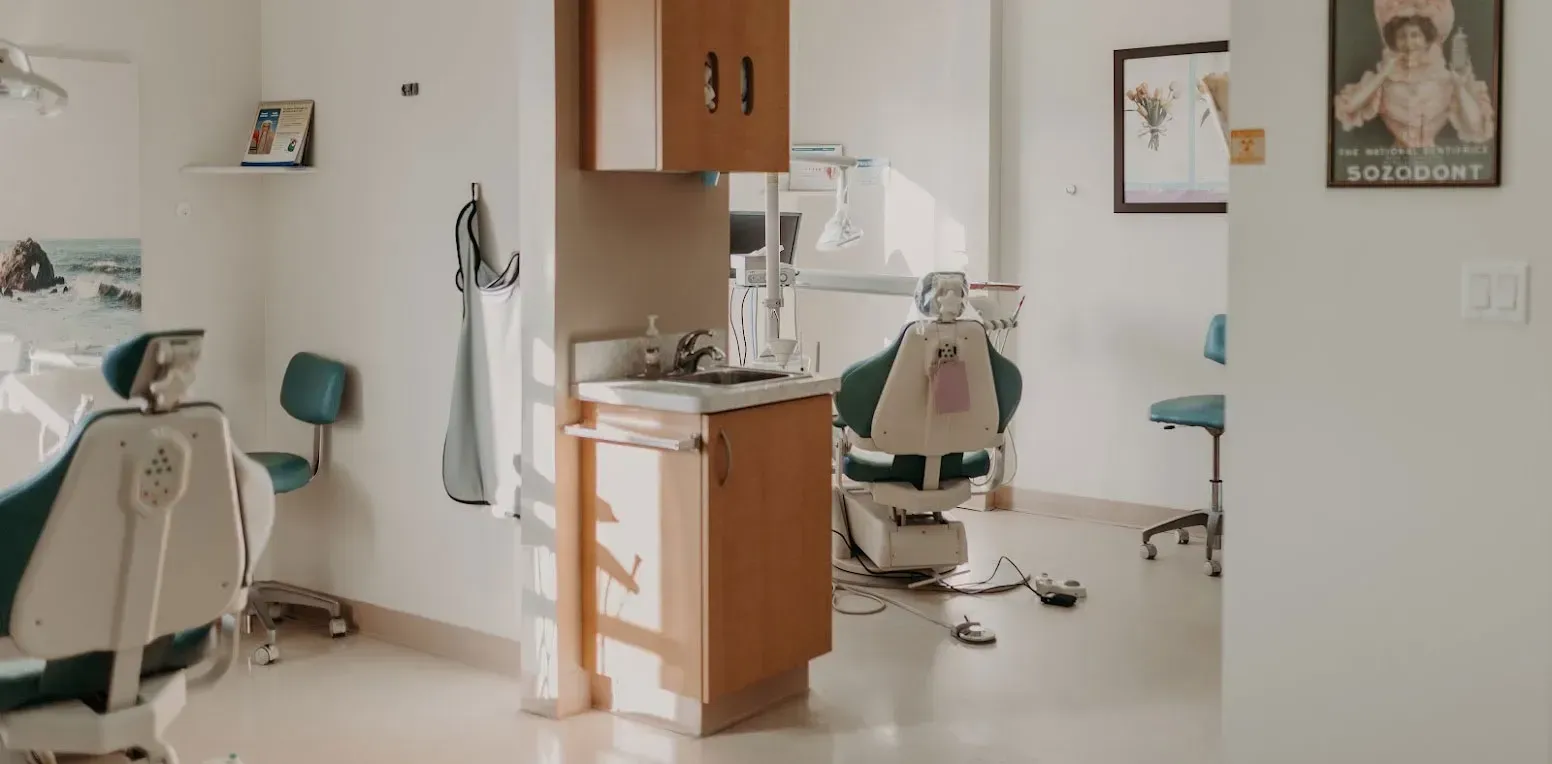
Repair cavities and damaged teeth with tooth-colored fillings that blend naturally and restore strength in a single comfortable visit.
Finding out you have a cavity is never fun, and the idea of a visible filling sitting right where everyone can see it makes it worse. At Glendora Healthy Smiles, we repair decay and minor tooth damage with composite fillings - a tooth-colored resin material that bonds directly to your natural enamel and disappears into your bite instead of standing out against it.
Cavities form gradually as bacteria break down enamel, often without pain in the early stages. By the time you notice sensitivity to sweets, temperature, or pressure when chewing, decay has usually progressed into the dentin layer underneath. Left alone, that soft spot keeps growing, eventually threatening the nerve of the tooth and turning a simple filling into a root canal.
Our approach starts with a careful exam and digital X-rays to map exactly how deep the decay runs before we touch a drill. As a cosmetic and restorative dental practice serving Glendora families, we treat every filling as both a functional repair and an aesthetic one, matching the composite shade to your surrounding teeth so the result looks like it was never there at all.
Schedule a Consultation
A composite filling does more than stop a toothache. Done well, it restores the tooth's original strength and appearance while protecting it from further breakdown for years to come.
Once decayed material is removed and the tooth is sealed, sensitivity to hot, cold, and sweets typically resolves within days. You stop guarding that side of your mouth when you chew and eat normally again.
Composite resin is shaded and blended to match your enamel, so the filling disappears into your smile rather than showing up as a dark or silver patch when you laugh or talk.
Because composite bonds directly to tooth structure, we remove far less healthy enamel than older filling methods required. More of your natural tooth stays intact, which supports long-term durability.
Most composite fillings are prepped, placed, and polished in a single appointment. There's no lab wait, no temporary restoration, and you walk out ready to eat on that tooth once numbness fades.
Sealing the cavity removes the environment bacteria need to keep breaking down the tooth, protecting adjacent teeth and reducing the risk of the decay reaching the nerve and requiring root canal therapy.
Composite contains no mercury and expands and contracts with temperature changes similarly to natural enamel, which reduces the risk of cracking the tooth that older amalgam fillings sometimes caused.
Patients who have put off treatment because they dreaded a visible filling often tell us they forget it's even there. That confidence carries into everyday conversations, photos, and smiling without a second thought.
Composite also fixes chipped edges, worn-down surfaces, and small gaps, making it a flexible, cost-effective option for both restorative and cosmetic concerns in the same procedure.
Cavities and tooth damage don't always announce themselves the same way for every patient. Some people feel sharp warning signs right away, while others have no idea anything is wrong until we spot it on an X-ray.
A quick, sharp twinge when drinking coffee or ice water often signals decay has reached the layer beneath your enamel and needs attention.
Discomfort that appears specifically when biting down on a particular tooth usually points to a cavity, crack, or weakened area under the surface.
Brown, gray, or black discoloration on the chewing surface or between teeth is frequently the first visible sign of active decay.
If floss keeps shredding or food keeps lodging in one particular area, there may be a small cavity or rough edge developing between the teeth.
Chipped enamel from biting something hard can feel sharp against your tongue and is an easy, quick fix with bonded composite material.
A tooth that aches after candy or dessert, even after the sugar is gone, is telling you decay is actively present and progressing.
Many patients ask us to swap aging metal amalgam fillings for composite material that blends with their smile and avoids further visible metal.
Small interproximal cavities between teeth often show no symptoms at all and are only caught through regular dental imaging during checkups.
You may notice a small indentation on a tooth surface that wasn't there before, a sign that enamel has started to break down structurally.
A lingering off-taste or bad breath that doesn't improve with brushing can sometimes be traced to bacteria trapped inside a developing cavity.
Because early decay can be painless, a comprehensive exam with digital X-rays is the only reliable way to catch a cavity before it grows large enough to threaten the nerve. We recommend addressing any of these signs sooner rather than later, since smaller cavities mean smaller, simpler, and less expensive fillings.
Decay rarely has one single cause. It usually develops from a combination of diet, habits, and everyday wear building up over time.
Sodas, candy, and starchy snacks feed the bacteria that produce the acid responsible for breaking down enamel over time.
Plaque that isn't cleared daily hardens into a sticky film that continues to erode enamel in hard-to-reach areas between teeth.
Molars naturally have pits and fissures that trap food and bacteria more easily than flat surfaces, making them prone to early decay.
Saliva neutralizes acid and washes away food particles, so reduced saliva flow from certain medications or health conditions raises cavity risk significantly.
Grinding thins enamel and can create micro-cracks that give bacteria an easier entry point, especially along worn chewing surfaces.
Old fillings, especially aging amalgam, can develop tiny gaps at the edges over the years, letting new decay form underneath.
Stomach acid reaching the mouth regularly softens enamel directly, accelerating decay even with good brushing habits.
Without regular cleanings and checkups, small areas of decay go unnoticed and have more time to spread deeper into the tooth.
Every filling we place is customized to the size and location of the decay, your bite, and the shade of your surrounding teeth. Here's what to expect at Glendora Healthy Smiles.
We start with a visual exam and digital X-rays to confirm the size and depth of the cavity or damage, so we know exactly what we're treating before any work begins.
Local anesthetic keeps the area comfortable while we gently remove only the decayed portion of the tooth, preserving as much healthy structure as possible.
We select a composite resin shade that matches your natural tooth color precisely, so the finished filling blends in rather than standing out.
The composite is applied in thin layers and hardened with a curing light between each one, building a strong, tightly bonded restoration shaped to your natural anatomy.
We trim and polish the filling for a smooth, natural feel and check your bite to confirm everything lines up comfortably before you leave the chair.
Composite resin is a mixture of plastic and fine glass particles engineered to withstand the pressure of daily chewing while bonding chemically to tooth structure. Unlike older amalgam fillings, which simply sit inside a cavity held by mechanical retention, composite actually adheres to the enamel and dentin through a bonding agent, creating a tighter seal against bacteria and moisture.
That bond also matters for the tooth's long-term strength. Amalgam fillings require removing extra healthy enamel to create a shape the material can mechanically lock into, and they expand and contract with temperature at a different rate than natural tooth structure, which over years can lead to small cracks. Composite requires a more conservative preparation and flexes closer to how your enamel naturally responds to hot and cold, reducing the risk of fracture around the filling's edges.
With routine checkups, good home care, and attention to grinding habits if you have them, a well-placed composite filling can last many years of normal use. We check every existing filling at your regular visits for signs of wear or marginal breakdown so small issues get addressed long before they become bigger problems.
Simple daily habits go a long way toward protecting both your new filling and the rest of your smile from future decay.
Fluoride strengthens remaining enamel around the filling and helps resist new decay from forming along its edges.
Clearing plaque from between teeth reduces the bacterial buildup that most often leads to recurrent decay at filling margins.
Caramels, sodas, and frequent snacking feed the bacteria that cause cavities, including around and beneath existing restorations.
A custom nightguard cushions biting forces and significantly extends the lifespan of composite fillings on patients who clench or grind.
Biting ice, pens, or fingernails puts sudden force on fillings that can chip the composite or crack the surrounding tooth.
Six-month visits let us catch any early wear on a filling before it turns into a bigger repair down the road.
These habits protect your investment and support your overall oral health, but they're not a substitute for professional care. If you notice any new sensitivity, roughness, or discoloration, call us so we can take a look before it becomes a bigger issue.
Putting off a filling only gives decay more time to spread. Our team makes the process comfortable, efficient, and designed to leave your smile looking natural. Reach out today and let's get it taken care of.
Glendora Healthy Smiles · Glendora, CA 91741 | Call us at (626) 555-1234
Here are answers to the questions we hear most often from Glendora patients considering composite fillings.
Composite fillings typically last between 7 and 10 years with good oral hygiene and regular checkups, though many patients keep them far longer. Lifespan depends on the filling's size, its location in the mouth, and habits like grinding or chewing on hard objects. We check every filling at your routine visits to catch early wear before it becomes a problem.
No, we numb the area with local anesthetic before removing any decay, so the procedure itself is comfortable. Some mild tenderness or sensitivity can occur for a day or two afterward, especially to cold, but this typically resolves quickly. Most patients are surprised by how straightforward and painless the whole appointment feels.
Yes, we routinely remove old amalgam fillings and replace them with tooth-colored composite material for patients who want a more natural-looking smile. This is often a good time to check for any decay that may have developed around the edges of the old filling. We'll evaluate the tooth first to confirm composite is the right fit for that specific situation.
Cost depends on the size of the filling and how many tooth surfaces need to be restored, with small single-surface fillings costing less than larger multi-surface repairs. Many dental insurance plans cover a portion of composite fillings, and we're happy to review your benefits during your visit. We provide a clear cost estimate before any treatment begins.
Yes, one advantage of composite over amalgam is that it hardens fully under a curing light during the appointment, so you can eat as soon as numbness wears off. We still recommend waiting to chew on that side until you have full feeling back to avoid accidentally biting your cheek or tongue. There's no overnight waiting period required.
Yes, we select a composite shade that closely matches the surrounding tooth structure before placing the filling, so the result blends in naturally. Composite is applied in layers, which allows us to mimic the subtle translucency of real enamel rather than a flat, uniform color. Most patients and the people around them can't tell which tooth was treated.
Untreated decay continues spreading through the tooth and can eventually reach the nerve, causing significant pain and infection. At that point, treatment often requires root canal therapy or even extraction instead of a simple filling. Addressing a cavity early, while it's still small, is almost always faster, less invasive, and more affordable.
Yes, composite fillings are a common, well-tolerated choice for children's cavities in both baby and permanent teeth. They avoid the mercury content of older amalgam fillings and blend naturally with developing smiles. We take extra care with younger patients to make the appointment calm and comfortable from start to finish.
Glendora Healthy Smiles
Join the Glendora Healthy Smiles family and experience gentle, modern dental care designed around you. Book your visit today - we can't wait to meet you.