(626) 323-9443
 432 W Foothill Blvd, Glendora, CA 91741, USA

In pain? Call (626) 323-9443 for same-day care. In pain right now? Call (626) 323-9443 — same-day emergency appointments available.
In pain? Call (626) 323-9443 for same-day care. In pain right now? Call (626) 323-9443 — same-day emergency appointments available.
Custom-fitted crowns that rebuild strength, stop pain, and restore a natural bite so you can eat and smile with confidence again.
A tooth that's cracked, fractured by a large cavity, or worn down from years of grinding sends a clear signal: the structure underneath is no longer strong enough to handle normal biting forces on its own. You might notice sharp pain when you chew, sensitivity to hot or cold that lingers, or a visible chip that catches on your tongue. Left alone, these small warning signs tend to grow into bigger problems, including deeper fractures, infection, or tooth loss.
At Glendora Healthy Smiles, we treat dental crowns as a core part of restorative dentistry, not a one-size-fits-all patch. Each crown we place is custom-fitted to your bite, shade-matched to your natural teeth, and designed to redistribute chewing pressure evenly so the surrounding teeth and gums stay healthy too. We take the time to diagnose exactly why a tooth is struggling before recommending treatment, because a crown placed over an untreated infection or a misaligned bite won't last.
Whether you're dealing with a tooth that just fractured, one that's had multiple fillings over the years, or you're finishing up a root canal, our team will walk you through exactly what's happening and what your options look like, in plain language, before any drilling begins.
Schedule a Consultation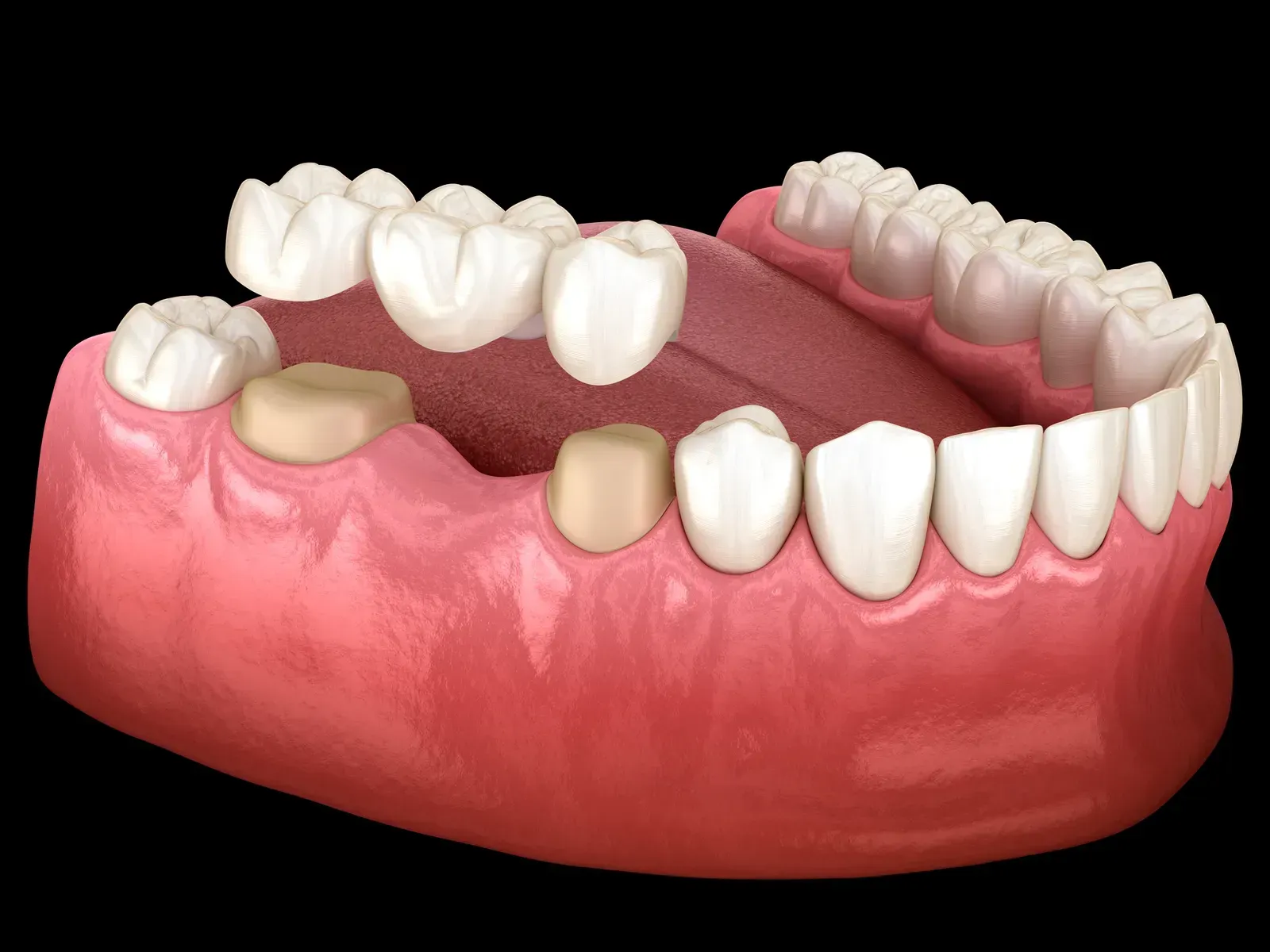
A dental crown does far more than hide a flaw. When it's fitted correctly and made from the right material for your situation, it becomes a long-term solution that protects what's left of your natural tooth structure and lets you forget the tooth was ever a problem.
A crown seals off exposed dentin and covers cracks that trigger sharp pain. Most patients notice they can bite into foods they'd been avoiding within days of placement.
A crown wraps the entire visible tooth, locking a weak or cracked structure in place. This prevents a small fracture from spreading further and reduces the risk of the tooth splitting.
We shade-match porcelain and zirconia crowns to your surrounding teeth, so the restoration blends in rather than standing out. Most people won't be able to tell which tooth was treated.
Teeth that have had root canal therapy become brittle over time. A crown provides the outer shell needed to keep that tooth functional for years, often decades, after treatment.
Restoring the correct shape and height of a worn tooth helps your bite come together evenly again. This often eases strain on the jaw joint and surrounding muscles.
Teeth with large, failing fillings often need repeated repairs over time. A crown addresses the underlying weakness once, which typically costs less than a cycle of recurring fixes.
A cracked, discolored, or oddly shaped tooth can make you self-conscious. A well-fitted crown restores a natural tooth shape so you stop thinking about hiding it in photos or conversation.
Modern crown materials like zirconia and lithium disilicate are built to withstand years of normal chewing forces. With routine care, a crown can comfortably last 10 to 15 years or longer.
Not every chipped or sensitive tooth needs a crown, and symptoms vary quite a bit depending on where the damage is and how long it's been building. These are the signs we see most often in patients who ultimately benefit from a crown.
Hairline cracks that run across the chewing surface often widen gradually and can let bacteria reach the inner tooth if not covered.
A quick jolt of pain specifically when chewing, especially if it releases once you stop biting, often points to a cracked tooth needing coverage.
When a filling takes up most of the tooth's surface, the remaining natural structure is often too thin to support everyday biting pressure safely.
Discomfort that stays for a while after eating or drinking something hot or cold can mean the inner layer of the tooth is exposed or compromised.
Without the inner pulp and blood supply, root canal-treated teeth become more brittle and prone to fracture under normal chewing forces.
Flattened, shortened teeth from chronic clenching or grinding lose both strength and their original shape, which a crown can rebuild.
A tooth that's gone gray or dark, often after trauma or a prior root canal, usually can't be whitened and benefits from a crown instead.
Naturally small, pitted, or malformed teeth can be rebuilt to a proper shape and size, improving both function and appearance.
Teeth anchoring a fixed bridge need extra strength and precise shaping, which crowns are specifically designed to provide.
Because these symptoms can overlap with other dental issues, a comprehensive exam and X-rays are the only reliable way to confirm whether a crown, a filling, or another treatment is the right fit. Catching these signs early typically means a simpler, less costly procedure.
Most teeth that eventually need a crown have been dealing with gradual, compounding stress for years before symptoms show up. Understanding the cause helps us protect the rest of your smile going forward.
Cavities that return in the same spot over multiple fillings hollow out the tooth until the remaining walls can no longer bear normal pressure.
Nighttime clenching applies far more force than normal chewing, gradually wearing down enamel and creating micro-fractures that worsen over time.
A fall, sports injury, or biting down on something hard can fracture a tooth instantly, even if it felt perfectly healthy the day before.
Removing the inner pulp during a root canal leaves the tooth without its internal moisture supply, making it noticeably more brittle.
Decades of chewing gradually thin enamel, especially on teeth that have already been filled or repaired multiple times.
Teeth that meet unevenly concentrate force on a few contact points, accelerating cracking and wear on those specific teeth.
Older, oversized fillings act like a wedge inside the tooth; over time they can stress the remaining enamel walls until they crack.
Some people are simply born with thinner or softer enamel, making their teeth more vulnerable to wear and fracture at an earlier age.
Every crown we place follows the same careful process, adjusted to your specific tooth and goals. Here's what you can expect from your first visit through your final fitting.
We start by hearing about your symptoms, when they began, and what's bothering you most, whether that's pain, appearance, or a tooth that just doesn't feel right anymore.
We examine the tooth closely, check surrounding gum health, and take X-rays to see below the surface, confirming the extent of the damage and ruling out infection.
We gently reshape the tooth to make room for the crown, then take a precise digital or physical impression that becomes the blueprint for your permanent restoration.
While your custom crown is being crafted, we place a comfortable temporary crown to protect the prepared tooth and let you chew normally in the meantime.
Once your permanent crown arrives, we check the fit, color match, and bite closely, making small adjustments until everything feels natural when you bite and chew.
We monitor your crown at routine cleanings to catch any wear early, and we'll talk with you about a nightguard if grinding is putting extra strain on the restoration.
Not all crowns are built the same way, and the material matters just as much as the fit. Zirconia and lithium disilicate crowns, which we rely on for most back and front teeth restorations, offer a rare combination of strength and a natural, light-reflecting appearance that older porcelain-fused-to-metal crowns couldn't match. These materials resist chipping under heavy chewing forces while still blending in seamlessly with your surrounding teeth.
Where a crown sits in your mouth also changes what we recommend. A molar handling the brunt of your chewing force needs a material prioritized for durability, while a front tooth crown is shaped and shaded with closer attention to light transmission and translucency so it looks indistinguishable from the tooth next to it. We walk through these tradeoffs with you directly rather than defaulting to a single material for every case.
Left untreated, a weakened tooth without a crown tends to fracture further with every bite, and once a crack reaches below the gumline, extraction often becomes the only remaining option. Placing a well-fitted crown at the right stage is what keeps a tooth functional for years instead of losing it entirely.
A crown is durable, but a few simple daily habits go a long way toward making it last as long as possible.
Plaque tends to build up where the crown meets the gumline, so gentle, consistent brushing and flossing there helps prevent decay at the margin.
Chewing on ice, pens, or fingernails puts sudden, concentrated force on a crown that it wasn't designed to absorb repeatedly.
If you clench or grind at night, a custom nightguard absorbs that pressure and significantly extends the life of your crown and natural teeth.
Regular check-ups let us catch early signs of wear, a loosening fit, or decay at the margin before they turn into bigger problems.
If a crown feels high, loose, or suddenly sensitive, call us right away rather than waiting; small adjustments are far easier to make early.
Caramel, hard candy, and ice can pull at a crown's edges or crack its surface over repeated exposure, even on a well-made restoration.
These habits support your crown's longevity, but they're not a substitute for professional monitoring. If something feels off, reach out to our team rather than waiting for your next scheduled visit.
A cracked or weakened tooth rarely gets better on its own. Let our team take a look, explain your options clearly, and get you fitted for a crown that lets you eat and smile without thinking twice.
Glendora Healthy Smiles - Glendora, California | Call us at (626) 555-1234
Here are answers to the questions we hear most often from patients considering a dental crown in Glendora.
A traditional crown typically requires two visits: one for preparation and impression, and a second two to three weeks later for final placement once the custom crown is fabricated. You'll wear a temporary crown in between. The actual appointment time for each visit usually runs between 45 and 90 minutes, depending on the complexity of the tooth.
We numb the area thoroughly before preparing the tooth, so most patients feel pressure rather than pain during the procedure. Some mild sensitivity to temperature is normal for a few days afterward while the tooth adjusts. If you experience sharp or persistent pain after placement, call us so we can check the fit.
With good oral hygiene and regular check-ups, a well-made crown can last anywhere from 10 to 15 years, and many last significantly longer. Lifespan depends on the material used, where the tooth sits in your mouth, and habits like grinding. Wearing a nightguard if you clench your teeth can meaningfully extend a crown's life.
A filling fills in a small cavity or chip while leaving most of the natural tooth exposed, whereas a crown covers the entire visible portion of the tooth above the gumline. Crowns are recommended when too much natural structure has been lost for a filling to hold up under normal biting forces. Your dentist will determine which option is appropriate based on the extent of the damage.
We most commonly use zirconia and lithium disilicate (e-max) crowns because they combine high strength with a natural, tooth-like appearance. The right choice depends on where the tooth is located and how much chewing force it will need to withstand. We'll discuss the specific recommendation for your tooth during your consultation.
Yes. We carefully shade-match each crown to your surrounding teeth before it's fabricated, and modern materials like zirconia reflect light similarly to natural enamel. Most patients find that once the crown is seated, it blends in so well that others can't tell which tooth was restored.
Most dental insurance plans provide partial coverage for crowns when they're deemed medically necessary, such as for a fractured tooth or following a root canal. Coverage amounts vary significantly by plan, so our front desk team will help verify your benefits and walk you through costs before treatment begins.
A loose crown often just needs to be re-cemented, which is a quick, straightforward visit. If the crown is cracked or the underlying tooth has changed, we may recommend a new crown to make sure the fit and seal remain protective. Contact us right away if a crown feels loose, chipped, or falls out entirely.
Glendora Healthy Smiles
Join the Glendora Healthy Smiles family and experience gentle, modern dental care designed around you. Book your visit today - we can't wait to meet you.