(626) 323-9443
 432 W Foothill Blvd, Glendora, CA 91741, USA
 Emergency Dentistry
October 26, 2026
5 Benefits of Emergency Dentistry in Glendora, CA
Learn about the advantages of emergency dentistry and how it can save time and alleviate pain in critical situations.
In pain? Call (626) 323-9443 for same-day care. In pain right now? Call (626) 323-9443 — same-day emergency appointments available.
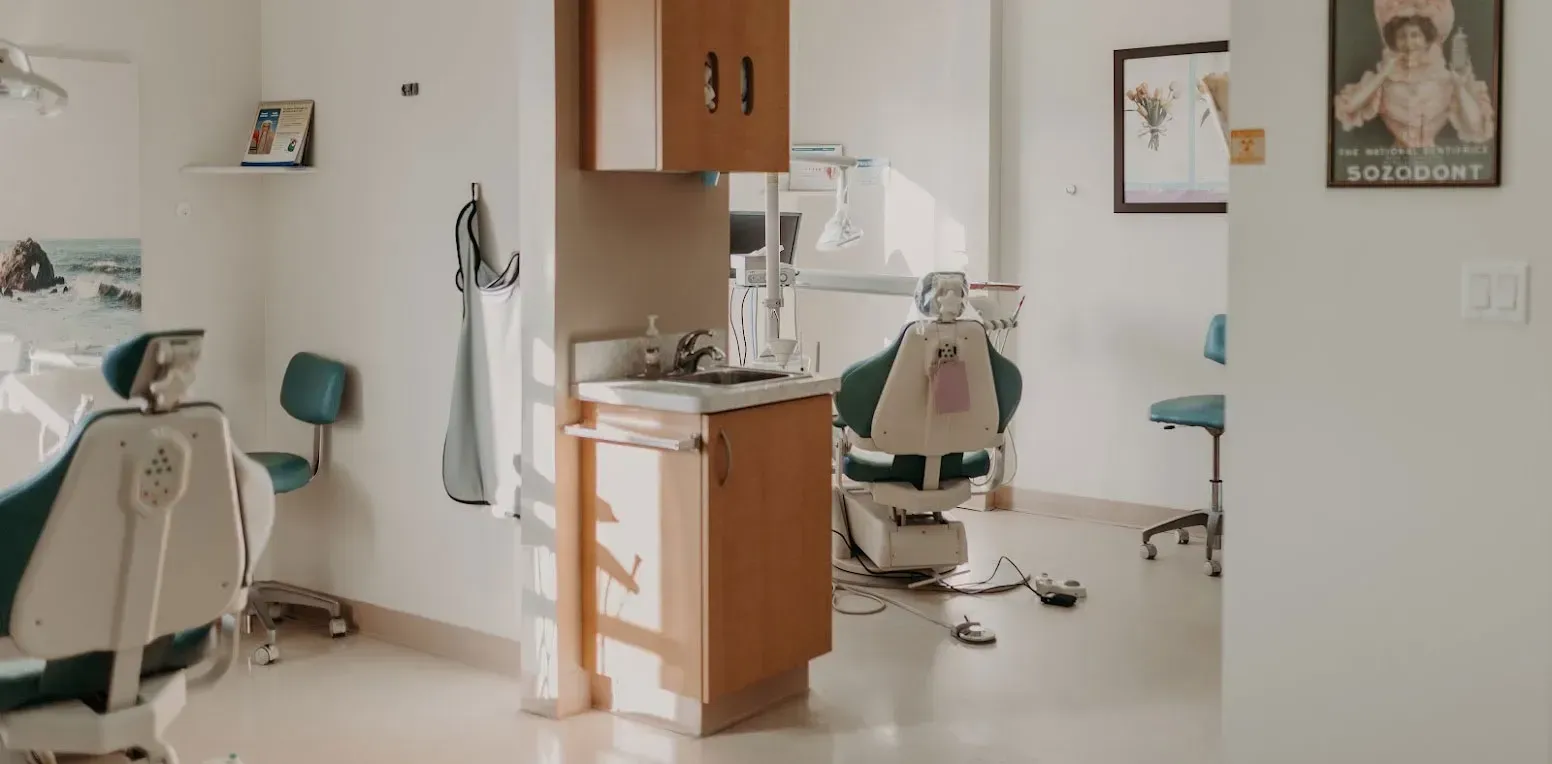
Sudden tooth pain, a broken crown, or a knocked-out tooth deserve immediate attention - our Glendora team is ready to see you right away.
A dental emergency rarely picks a convenient moment. A molar cracks while you're biting into dinner, a child takes a tumble on the playground and chips a front tooth, or a dull ache in your jaw turns into throbbing pain overnight. When this happens, waiting days for an appointment isn't an option - infection can spread, fractures can worsen, and the discomfort can make it hard to eat, sleep, or focus on anything else.
At Glendora Healthy Smiles, we set aside time in our daily schedule specifically for emergency patients. Whether you're already part of our dental family or you're searching for "emergency dentistry Glendora" for the very first time, our team will get you in quickly, listen to what you're experiencing, and start treatment the same day whenever possible. We don't believe in making people suffer through a weekend or push through pain until a routine slot opens up.
Our approach to urgent dental care centers on finding the actual source of the problem, not just masking the symptom. A toothache can stem from decay, a cracked filling, an abscess, or referred pain from a sinus issue, and treating the wrong cause only delays real relief. We use digital X-rays and a thorough clinical exam to pinpoint exactly what's going on so we can resolve it correctly the first time.
Schedule a Consultation
Good emergency dental care isn't just about stopping pain for the moment - it's about repairing the underlying problem so it doesn't return next week or escalate into something more serious. Here's what you can expect once we've addressed your emergency.
Severe tooth or jaw pain is exhausting and distracting. Once we identify and treat the source - whether it's a deep cavity, an abscess, or a cracked tooth - most patients feel noticeably better within hours, not days.
Untreated dental infections can spread to the jaw, neck, and bloodstream. Prompt drainage, antibiotics when needed, and definitive treatment stop the infection in its tracks before it becomes a medical emergency.
A knocked-out or badly cracked tooth has the best chance of being saved when treated within the first hour or two. Fast care often means the difference between keeping your own tooth and needing an extraction.
Chronic tooth pain disrupts chewing and interrupts sleep. Patients consistently tell us that getting the problem fixed restores their appetite and lets them finally get a full night's rest again.
Treating a crack or decay early, before it reaches the nerve, often means a simple filling or crown instead of a root canal or extraction later on. Quick action protects your long-term treatment options.
A chipped or broken front tooth affects your confidence immediately. We use bonding, veneers, or crowns to rebuild a natural-looking smile the same day in many cases.
After stabilizing your emergency, we map out a realistic treatment plan with transparent costs and timelines, so you're never left guessing what happens next.
Knowing your emergency was handled by a dentist who understands the urgency - and who will follow up with you - removes a huge amount of stress from an already difficult situation.
Not every dental issue requires an emergency visit, but many patients wait too long because they aren't sure if what they're feeling qualifies as urgent. If you notice any of the following, please call our office before the problem has a chance to worsen.
Pain that keeps you up at night or doesn't respond to over-the-counter medication often points to a deep cavity, nerve involvement, or infection that needs prompt attention.
Time matters enormously here. Rinse the tooth gently, try to reinsert it or store it in milk, and get to our office within 30 to 60 minutes for the best chance of saving it.
A visible crack, a sharp edge, or sudden sensitivity to temperature can signal a fracture that's exposing the inner layers of the tooth to bacteria.
Swelling in the cheek, jaw, or gums - especially with fever - is a classic sign of a dental abscess that requires same-day drainage and treatment.
Once a restoration falls out, the exposed tooth is vulnerable to decay, breakage, and sensitivity, so it shouldn't be left unprotected for long.
Bleeding that doesn't stop after an injury or extraction, even with gentle pressure, needs professional evaluation to rule out complications.
Trauma can loosen a tooth in its socket even when it doesn't fall out. Stabilizing it quickly improves the odds of it healing in place.
A foul taste combined with localized pain often indicates a draining infection that needs to be addressed before it spreads further.
Difficulty opening or closing your mouth fully after a fall or impact could indicate a fracture or dislocation that needs imaging and prompt care.
A poking wire or loose bracket can irritate the cheeks and gums significantly, and we can trim or repair it quickly to restore comfort.
When in doubt, it's always better to call. A short phone conversation with our team can help you understand whether your situation needs same-day care or can safely wait for a scheduled appointment, and we'd rather you check with us than risk a minor problem turning into a major one.
Most dental emergencies trace back to a handful of familiar causes. Understanding what leads to these situations can help you recognize risk and, in some cases, prevent the next one.
A small cavity left untreated eventually reaches the nerve, turning a routine filling into an emergency root canal or extraction.
Contact sports and falls are among the most common causes of chipped, cracked, or knocked-out teeth, especially in kids and teens.
Ice, popcorn kernels, pens, and hard candy put sudden pressure on teeth that can crack enamel or dislodge existing fillings and crowns.
Chronic nighttime clenching wears down enamel and weakens teeth over time, making them more prone to sudden fracture.
Fillings and crowns don't last forever. As they age, they can crack, loosen, or fail entirely, exposing the tooth underneath.
Advanced periodontal disease weakens the bone and tissue supporting teeth, which can lead to sudden looseness or abscess formation.
Skipping regular checkups allows small issues to go unnoticed until they become painful, often at the most inconvenient time.
Everyday accidents around the house or while driving can cause facial trauma that affects the teeth, jaw, and surrounding soft tissue.
Every emergency is different, but we follow a consistent process designed to get you comfortable quickly while still being thorough enough to prevent a repeat visit.
Our team will ask about your symptoms, how long you've had them, and any injury involved, then give you same-day or next-available guidance on when to come in.
Once you arrive, Dr. and our clinical team examine the affected area, check surrounding teeth and gum tissue, and assess any swelling, bleeding, or visible damage.
Low-radiation digital imaging lets us see below the surface - root fractures, bone infection, or hidden decay - so treatment addresses the actual cause, not just the symptom.
Whenever possible, we complete treatment the same visit - whether that's a filling, extraction, temporary crown, splinting a loose tooth, or draining an abscess - so you leave with real relief.
If further treatment is needed, such as a root canal or permanent crown, we schedule it promptly and check in to make sure you're healing well and comfortable.
When a tooth is knocked out or badly fractured, the clock starts immediately. The periodontal ligament fibers that hold a tooth in its socket begin to dry out and die within minutes of exposure to air, which is why reinserting a knocked-out tooth or storing it in milk and getting to our office within 30 to 60 minutes dramatically improves the odds of saving it. After about an hour, the chances of successful reattachment drop significantly, and a dental implant or bridge often becomes the only option.
Infections follow a similar urgency curve. A dental abscess starts as a localized pocket of bacteria but can spread into the jawbone, soft tissue, and in rare but serious cases, the bloodstream or airway. What begins as a toothache can become a medical emergency requiring hospitalization if it's ignored for too long. Antibiotics alone rarely resolve the problem permanently - the infected tissue typically needs to be drained and the source, whether a decayed tooth or failed root canal, needs to be treated directly.
This is exactly why we keep emergency slots open in our daily schedule rather than asking patients to simply wait for the next routine opening. Fast, accurate treatment protects not just your tooth but your overall health, and it's almost always less invasive and less costly than treating the same problem after it has had days or weeks to worsen.
While we're getting you in as quickly as possible, a few simple steps at home can ease discomfort and protect the tooth in the meantime. These tips support professional care - they aren't a substitute for it.
A warm saltwater rinse helps clean the area, reduce bacteria, and provide mild temporary relief without irritating sensitive tissue.
Holding a cold compress against the cheek near the affected area for 15-20 minutes at a time helps control swelling after an injury.
Ibuprofen or acetaminophen, taken as directed, can make the wait more comfortable, but should never be placed directly on the gum or tooth.
Handle the tooth only by the crown, rinse it without scrubbing, and keep it moist in milk or saliva until you reach our office.
Stick to soft foods and avoid putting pressure on a damaged tooth to prevent further cracking or discomfort before treatment.
Dental wax or even sugar-free gum can temporarily cover a sharp chip or broken wire so it doesn't cut your cheek or tongue.
These measures can make the time before your appointment more manageable, but they don't replace an accurate diagnosis and proper treatment. Please call our office as soon as a dental emergency happens so we can advise you based on your specific situation.
You don't need to wait out a toothache or try to live with a broken tooth until your next scheduled cleaning. Our Glendora team keeps time open every day for urgent cases, and we'll do everything we can to see you quickly and get you comfortable.
Glendora Healthy Smiles - proudly serving Glendora, CA and the surrounding San Gabriel Valley communities.
Here are answers to the questions we hear most often from Glendora patients facing a dental emergency.
A dental emergency generally involves severe pain, uncontrolled bleeding, a knocked-out or badly fractured tooth, facial swelling, or signs of infection like fever. If you're unsure whether your situation qualifies, call our office and describe your symptoms - we'll help you decide whether you need same-day care or can wait for a regular appointment.
Yes. We reserve time in our daily schedule specifically for urgent cases and prioritize getting emergency patients seen as quickly as possible, often the same day you call. Please contact our office right away so we can find the earliest available opening for you.
Pick the tooth up by the crown (not the root), rinse it gently without scrubbing, and try to place it back in the socket if possible. If that's not possible, store it in a small container of milk or your own saliva and get to our office within 30 to 60 minutes for the best chance of saving it.
Cost depends on what caused the emergency and what treatment is needed, whether that's a simple filling, extraction, or root canal. We'll always examine you first, explain your options and associated costs clearly, and work with your insurance or offer payment arrangements before any treatment begins.
Absolutely. Call our office and describe your pain level and symptoms, and our team will work to fit you in the same day. Severe tooth pain usually indicates an issue that needs prompt attention, such as deep decay, a cracked tooth, or an abscess, so we won't make you wait unnecessarily.
Children's dental emergencies, from a fall at the playground to a loose baby tooth after trauma, need prompt evaluation too. Call us right away; we'll guide you on immediate care at home and get your child in quickly, since kids' teeth and jaws are still developing and respond well to fast treatment.
Yes, it should be treated as one. Once a crown or filling comes off, the exposed tooth structure underneath is vulnerable to decay, bacteria, and further breakage. It's best to have it repaired within a few days rather than leaving it unprotected for weeks.
If you have difficulty breathing or swallowing, uncontrolled bleeding, a suspected broken jaw, or facial swelling that's spreading rapidly, go to the emergency room immediately, as these can be signs of a serious infection or injury. For most tooth pain, chips, cracks, and knocked-out teeth, our office is the right first call.
Learn more about Emergency Dentistry with our expert articles, preparation tips, and aftercare insights.
Emergency Dentistry
Learn about the advantages of emergency dentistry and how it can save time and alleviate pain in critical situations.
Glendora Healthy Smiles
Join the Glendora Healthy Smiles family and experience gentle, modern dental care designed around you. Book your visit today - we can't wait to meet you.