(626) 323-9443
 432 W Foothill Blvd, Glendora, CA 91741, USA
More patients in Glendora are asking about straightening their teeth without metal brackets, long treatment timelines, or awkward adjustment appointments. At the same time, many of them need a little extra help along the way - a gumline that needs reshaping, a stubborn frenum, or tissue that's covering more of a tooth than it should. That's where combining Invisalign with laser dentistry changes the experience entirely.
Invisalign has already made orthodontic treatment far more comfortable and discreet than traditional braces. But when it's paired with soft-tissue laser technology, the results can be even more precise and efficient. Instead of treating your bite and your gums as two separate projects handled months apart, our team can often address both in a coordinated plan that saves you time and keeps your mouth healthier throughout treatment.
This article walks through how these two technologies work together, what to expect during treatment, and why this combination has become one of the more popular requests we hear from patients across Glendora, California.
How Invisalign and Laser Dentistry Work Together
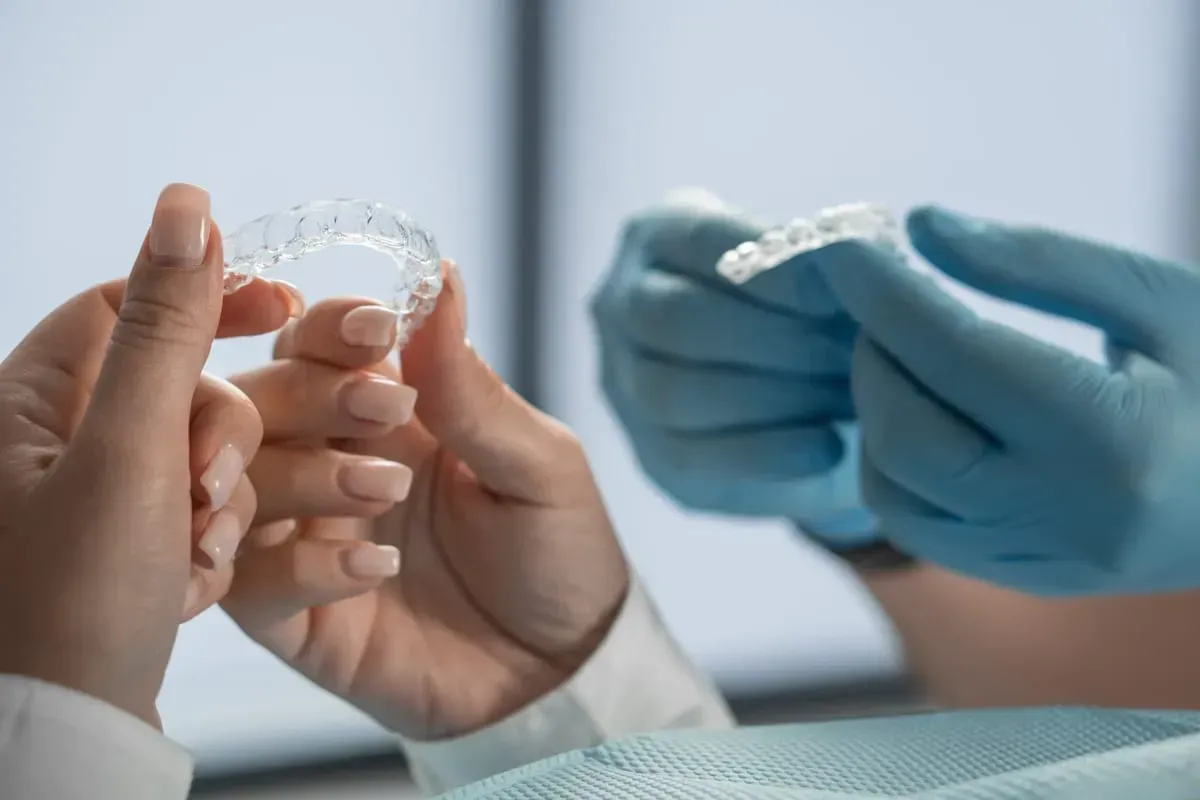
Invisalign uses a series of custom clear aligners to gradually shift your teeth into a straighter, more balanced position. Each set is worn for one to two weeks before you move to the next in the series, applying gentle, controlled pressure that your bite can adjust to without the soreness often associated with tightening wires. The process is quiet, nearly invisible, and designed around your daily life rather than around a bracket schedule.
Laser dentistry enters the picture when soft tissue needs attention alongside tooth movement. Dental lasers use a focused beam of light to trim, reshape, or remove soft tissue with remarkable precision - often without the bleeding, swelling, or stitches that come with traditional scalpel-based procedures. Because the laser seals tiny blood vessels and nerve endings as it works, many patients feel less discomfort during and after the procedure.
When these two approaches are combined, your treatment plan can be more coordinated from the start. If part of your smile goal involves not just straighter teeth but a more balanced gumline, we can map out when laser treatment should happen relative to your aligner stages, rather than treating it as an afterthought once your aligners are finished. This kind of planning is part of why we often discuss Invisalign alongside our broader cosmetic dentistry options during a consultation.
When Laser Treatment Supports Your Aligner Plan
Not every Invisalign patient needs laser treatment, but for a meaningful number of people, a few minor soft-tissue adjustments make a real difference in the final result. Gum tissue doesn't always move at the same pace as teeth, and sometimes it needs a small amount of reshaping to reveal a tooth's true proportions or to even out an uneven smile line.
-
Gum contouring: Excess or uneven gum tissue can be reshaped so teeth appear longer and more proportionate once they've shifted into their final position.
-
Frenectomy: A tight frenum (the small tissue band connecting lip or tongue to the gum) can sometimes limit tooth movement or create a gap; laser removal is quick and typically heals fast.
-
Exposing hidden tooth structure: When gum tissue covers more of a tooth than it should, a laser can uncover it so your aligners can properly engage and track that tooth's movement.
-
Finishing touches before whitening: Many patients choose to refine their gumline right before finishing their smile with teeth whitening, so the color and shape come together at the same time.
Deciding whether laser treatment belongs in your plan comes down to a careful exam of your gum tissue, bite, and goals. We'll always explain exactly why a step is recommended, rather than adding procedures simply because the technology exists.
What to Expect During Combined Treatment
Your first visit focuses on diagnostics: digital scans of your teeth, photographs, and a conversation about what you'd like your smile to look like once treatment is finished. From there, we build a treatment sequence that maps out your aligner stages and, if needed, identifies the right point to introduce laser treatment.
In many cases, laser work happens partway through your aligner series rather than at the very beginning or end. This timing allows teeth to move into a position where the surrounding tissue can be shaped accurately, instead of guessing at where the gumline will eventually settle. For certain procedures, like a frenectomy that's limiting tooth movement, we may recommend doing it earlier so your aligners can track more predictably.
Each stage is monitored with check-in appointments, usually spaced out every several weeks, where we confirm your aligners are tracking well and your tissue is healing as expected. Because laser procedures are typically fast, many patients have them done in the same visit as a routine aligner check, which cuts down on the number of separate trips needed to complete your plan.
Comfort, Recovery, and Daily Life With Aligners
One of the biggest reasons patients ask about this combination is comfort. Invisalign aligners are smooth plastic with no metal brackets or wires to irritate your cheeks and lips. Most people notice mild pressure for a day or two after switching to a new aligner set, which is simply a sign that your teeth are responding to treatment, and this typically fades on its own.
Laser procedures add to that comfort rather than taking away from it. Because the laser cauterizes tissue as it treats it, bleeding is minimal and many patients need little to no pain medication afterward. Swelling tends to be limited, and most soft-tissue sites heal within a week to ten days, with only a soft-food recommendation for the first day or two.
You'll still need to wear your aligners for roughly 20 to 22 hours a day to stay on schedule, removing them only to eat, drink anything besides water, and brush and floss. If you've had a laser procedure recently, we'll let you know whether you should pause wearing your aligners for a short recovery window or continue as normal, depending on the specific treatment site.
Is This Combination Right for You?
Invisalign paired with laser dentistry tends to suit patients who want more than just straighter teeth - they want a complete, well-proportioned smile without a long string of separate procedures. If you've been self-conscious about a gummy smile, an uneven gumline, or a tooth that looks shorter than its neighbors, this combination addresses the whole picture rather than just alignment.
It's also a strong option for adults who want a straightforward, low-disruption treatment experience. Between work schedules and family responsibilities, many patients in Glendora appreciate that Invisalign doesn't require the frequent in-office adjustments traditional braces do, and that any necessary laser work is typically a single, short appointment rather than a referral to an outside specialist.
That said, not everyone needs the laser component, and that's perfectly fine. Some patients only need aligners to reach their goals. The right way to find out what your smile needs is a thorough exam, which lets us give you an honest recommendation rather than a one-size-fits-all plan.
Key Takeaways
- Invisalign straightens teeth gradually using custom clear aligners, while dental lasers precisely reshape soft tissue with minimal bleeding or discomfort.
- Common laser procedures alongside Invisalign include gum contouring, frenectomies, and uncovering tooth structure for better tracking.
- Laser work is often timed partway through your aligner series for the most accurate, lasting results.
- Recovery from soft-tissue laser treatment is typically fast, often within a week to ten days.
- Not every patient needs laser treatment - a personalized exam determines the right plan for your smile.
Frequently Asked Questions
Does laser gum treatment hurt more than traditional methods?
Most patients report less discomfort with laser treatment compared to traditional scalpel techniques. Because the laser seals tissue as it works, bleeding and swelling are usually minimal, and many people don't need stitches or strong pain medication afterward.
Will laser treatment slow down my Invisalign timeline?
In most cases, no. Soft-tissue laser procedures heal quickly, often within a week to ten days, and your aligner schedule can typically resume shortly afterward. We time any laser work carefully so it supports your treatment rather than delaying it.
How do I know if I need laser treatment with my Invisalign plan?
A thorough exam of your bite, gum tissue, and smile goals will show whether laser treatment would benefit your results. Many patients only need aligners, while others benefit from gum contouring or a frenectomy along the way.
How long does Invisalign treatment typically take?
Treatment length varies based on how much movement your teeth need, but many patients complete their plan in roughly 12 to 18 months. Mild cases can finish sooner, while more complex alignment issues may take longer.
Can I combine laser gum reshaping with teeth whitening?
Yes, this is a common way to finish a smile transformation. Once your gumline is reshaped and healed, whitening can be scheduled to even out tooth color so the final result looks balanced and polished.
Bringing It All Together
Straightening your teeth doesn't have to mean choosing between comfort, convenience, and a truly finished look. Invisalign handles the gradual work of aligning your bite, while laser dentistry fills in the precision details that aligners alone can't address - refining your gumline, clearing the way for a tooth to move properly, or correcting a tight frenum that's holding things back.
For patients in Glendora who want a coordinated plan rather than a patchwork of separate procedures, this pairing offers a practical path to a smile that looks as good as it feels. The best way to know what your treatment plan should include is a conversation with our team, where we can look at your teeth, your gums, and your goals together and map out exactly what makes sense for you.