(626) 323-9443
 432 W Foothill Blvd, Glendora, CA 91741, USA

In pain? Call (626) 323-9443 for same-day care. In pain right now? Call (626) 323-9443 — same-day emergency appointments available.
In pain? Call (626) 323-9443 for same-day care. In pain right now? Call (626) 323-9443 — same-day emergency appointments available.
A practical guide to how dental crowns protect, strengthen, and restore teeth that have been weakened by damage or decay.
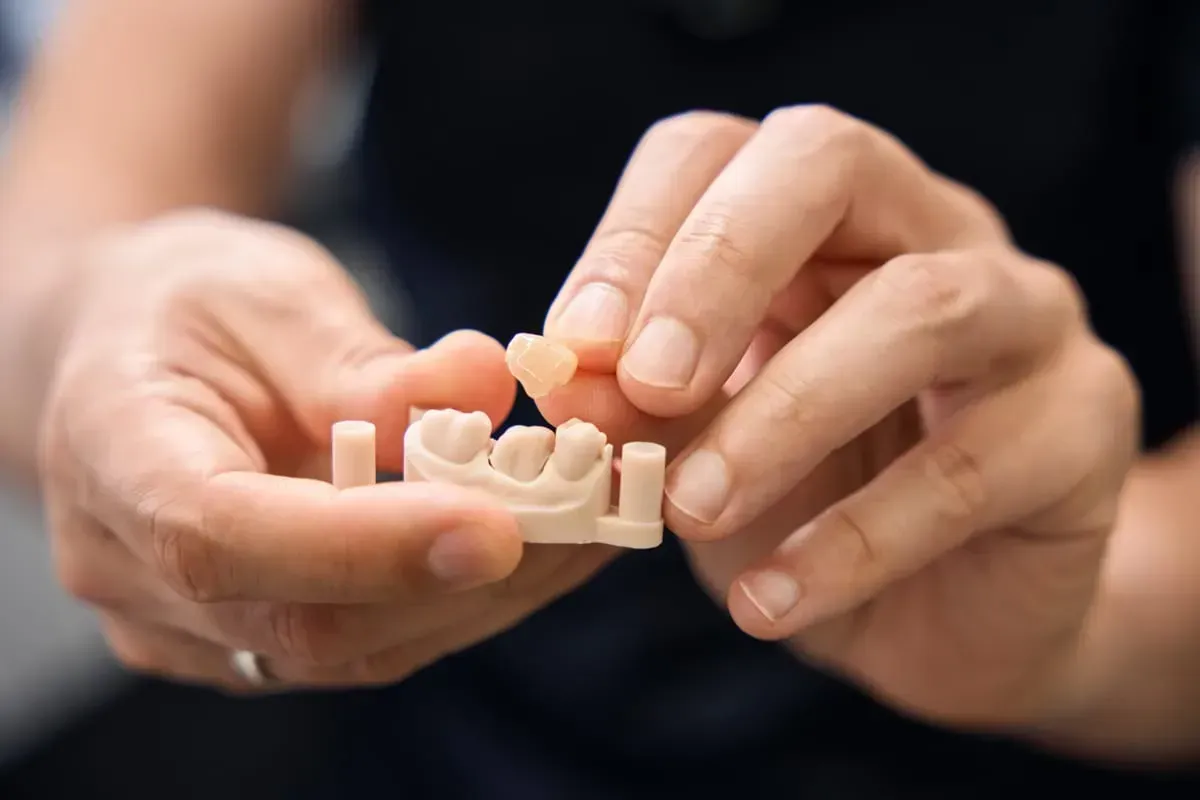
A cracked molar, a tooth that's lost too much structure to decay, or a smile that's been worn down over the years - these are some of the most common reasons patients in Glendora come to us asking about dental crowns. It's one of the most frequently recommended restorations in dentistry, and for good reason: crowns protect what's left of a natural tooth while restoring the strength and appearance you need to chew, speak, and smile with confidence.
Despite how common crowns are, many patients still have questions about what they're made of, how long they last, and whether the procedure is uncomfortable. Those are fair questions. A crown is a long-term investment in your oral health, and understanding the process helps you feel more at ease before you ever sit in the chair.
In this article, we'll walk through what dental crowns actually do, when your dentist might recommend one, what the appointment process looks like, and how to keep your crown in great shape for years to come.
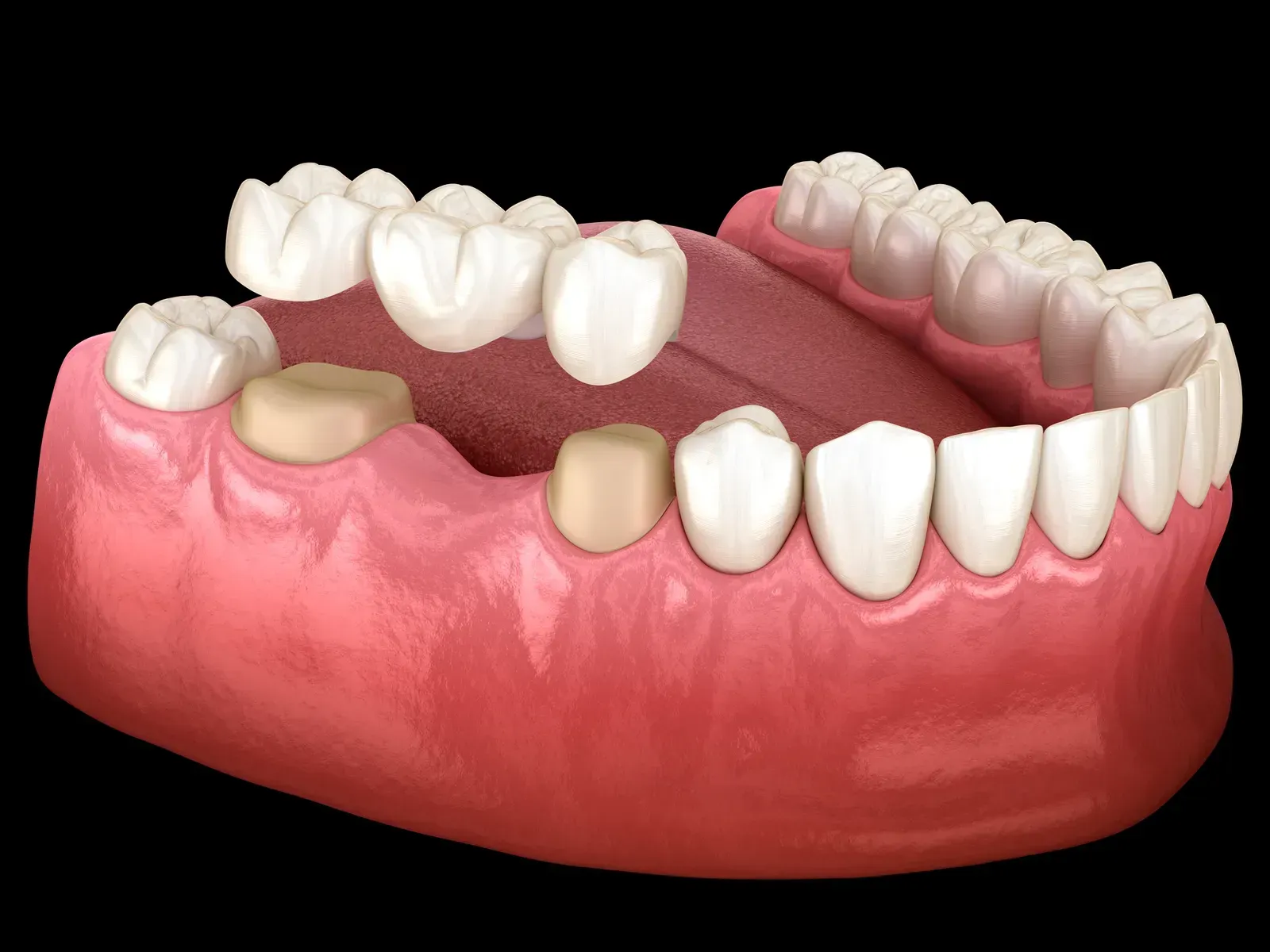
A dental crown is a custom-made cap that fits over a damaged or weakened tooth, covering it completely from the gumline up. Unlike a filling, which fills in a cavity, a crown essentially becomes the new outer surface of the tooth. It takes on the biting force, protects the inner structure, and restores the shape your tooth once had.
Crowns are often confused with veneers, but the two serve different purposes. Veneers are thin shells bonded to the front surface of a tooth mainly for cosmetic improvement, while crowns wrap around the entire tooth and are built to handle real structural stress. That said, crowns can also play a cosmetic role, especially on front teeth where color and shape matter just as much as strength.
In many cases, a crown is the difference between saving a natural tooth and needing an extraction. When decay or a fracture has removed too much tooth structure for a filling to hold up, a crown reinforces what remains so you can keep your own tooth instead of replacing it with an implant or bridge.
Most patients don't walk in asking for a crown specifically - they come in with a symptom, and the crown turns out to be the right solution. Our dentists typically identify the need for a crown during a routine exam or when a patient reports discomfort that points to a structural problem rather than simple sensitivity.
Crowns are also used for purely visual reasons on occasion, such as reshaping a misshapen or heavily discolored tooth. If your concern is more about appearance than structure, it's worth discussing options with our team alongside other services like cosmetic dentistry, since a crown isn't always the most conservative choice for a cosmetic-only concern.
Modern crowns are made from several different materials, each with its own balance of strength, appearance, and cost. The right choice usually depends on where the tooth sits in your mouth, how much biting force it absorbs, and how important the cosmetic result is to you.
Porcelain and zirconia crowns have become the most popular options because they closely match the natural color and translucency of real enamel, making them nearly impossible to spot in conversation or in photos. These materials have also gotten significantly stronger over the past decade, which is why they're now routinely used on back molars as well as front teeth.
Metal and porcelain-fused-to-metal crowns are still used in certain situations, particularly for molars that handle heavy chewing forces, because the metal substructure adds durability. During your consultation, your dentist will walk you through which material fits your bite, your budget, and your aesthetic goals, especially if the crown will be visible when you smile or talk. For patients who are also interested in brightening their smile before restorative work, we often coordinate timing with our teeth whitening treatments so the crown's shade matches your newly whitened teeth rather than your original shade.
Getting a crown typically takes two appointments, though some practices offer same-day crowns using in-office milling technology. At the first visit, your dentist numbs the area and reshapes the tooth, removing a thin layer of enamel so the crown can fit over it properly. If there's significant decay or damage, that material is cleaned out first and the tooth is built back up with a filling material to create a stable base.
Once the tooth is shaped, we take an impression or digital scan, which gets sent to a dental lab to fabricate your permanent crown. While you wait for it to be made, you'll wear a temporary crown to protect the tooth and keep things functioning normally. This temporary is designed to hold up to everyday use, but it's worth avoiding sticky or very hard foods on that side of your mouth until the permanent crown is placed.
At your second visit, the temporary crown is removed and the permanent one is checked for fit, bite alignment, and color match before it's permanently cemented into place. Most patients describe the whole process as straightforward and far less involved than they expected - any discomfort is usually limited to mild sensitivity for a day or two afterward.
A crown isn't a "set it and forget it" restoration. While the material itself can't develop a cavity, the natural tooth underneath it still can, particularly right along the gumline where the crown meets your tooth. Keeping up with regular brushing, flossing, and dental checkups is just as important for a crowned tooth as it is for the rest of your smile.
It's also smart to be mindful of habits that put extra stress on a crown, such as chewing ice, biting fingernails, or using your teeth to open packaging. If you grind your teeth at night, a nightguard can meaningfully extend the life of your restoration by absorbing the pressure that would otherwise land directly on the crown. Patients who report their crowns lasting the longest tend to be the ones who treat them with the same respect they'd give a natural tooth, rather than assuming the restoration is indestructible.
With proper care, most dental crowns last between 10 and 15 years, and many patients get well beyond that range. The actual lifespan depends on the material chosen, the location of the tooth, your bite habits, and how consistently you keep up with dental visits where early issues can be caught before they become serious.
Eventually, a crown may need to be replaced due to wear, a chip, or recession of the gum tissue around it that exposes the edge of the restoration. None of this means something went wrong - it's a normal part of owning a long-term dental restoration, much like replacing worn tires on a car. Routine checkups give us the chance to monitor your crown over the years and address small concerns before they turn into bigger ones.
The procedure itself is done under local anesthesia, so you shouldn't feel pain during shaping or placement. It's common to notice mild sensitivity to temperature or pressure for a few days afterward, which typically fades on its own.
It's uncommon, but it can happen if the cement weakens over time or if the tooth underneath develops decay. If your crown ever feels loose or falls off, call our office right away so we can re-cement it or evaluate the tooth underneath.
Yes. Before your tooth is shaped, we take a shade match to ensure the crown blends in naturally with your surrounding teeth. If you're planning on whitening your teeth, it's best to do that first so the crown's shade is matched to your brighter smile.
Yes, "cap" is simply an older, more casual term for what dentists call a crown. Both refer to the same restoration that covers the entire visible portion of a tooth.
Cost varies based on the material used, the tooth's location, and whether additional treatment like a root canal is needed first. During your consultation, we'll go over a clear estimate along with any insurance coverage or payment options available to you.
A dental crown is one of the more dependable ways to save a tooth that's taken real damage, whether from a crack, extensive decay, or years of wear. It's a restoration built to last, and with the material options available today, it can look just as natural as the tooth it's protecting.
If you've noticed a sharp edge on a tooth, ongoing sensitivity, or a visible crack when you look in the mirror, it's worth getting it checked before the problem grows. Our team at Glendora Healthy Smiles is happy to take a look, walk you through your options, and help you decide whether a crown - or another treatment entirely - is the right next step for your smile.
Interested in the topics discussed in this guide? Explore our specialized treatments and services.
 Service
Durable, natural-looking dental crowns that repair cracked, weakened, or heavily filled teeth while restoring full chewing function.
Glendora Healthy Smiles
Join the Glendora Healthy Smiles family and experience gentle, modern dental care designed around you. Book your visit today - we can't wait to meet you.