432 West Foothill Blvd. Glendora, CA 91741

Dental Implants Lasting a Lifetime: What Really Determines Their Lifespan


Many Glendora patients ask the same question before committing to implants: How long will they actually last? Understanding dental implants lasting a lifetime and what really determines their lifespan in Glendora starts with knowing how these restorations work. Unlike dentures or bridges, implants fuse directly with your jawbone. That biological bond is what gives them their remarkable staying power — but it is not guaranteed without the right care.
The honest answer is that implants can last decades, often an entire lifetime. However, several biological, behavioral, and clinical factors influence that outcome. Dr. Christine Shehata at Glendora Healthy Smiles helps patients understand every one of those factors before treatment begins. Knowledge is the first step toward protecting your investment.
How Long Do Dental Implants Really Last in Glendora?
Clinical research consistently shows that dental implants have a success rate above 95% over ten years. Many patients keep their implants for 25 to 30 years or longer. Some long-term studies report implants still functioning well after 40 years. These numbers are encouraging — but they depend heavily on individual circumstances.
The implant post itself is designed to be permanent. It is made of titanium, which integrates with living bone through a process called osseointegration. Once fully fused, the post becomes part of your jaw structure. The crown attached on top, however, typically lasts 10 to 15 years before it may need replacement due to normal wear.
Think of it this way: the foundation can last forever, but the visible tooth may need updating over time. Planning for that maintenance is part of understanding the full lifespan of your restoration. Dr. Shehata discusses realistic timelines during every implant consultation at Glendora Healthy Smiles.
Key Factors That Shorten Implant Lifespan
Several habits and health conditions can compromise implants significantly. Recognizing these risks early gives patients the power to reduce them. Ignoring them often leads to implant failure long before its time.
Here are the most common factors that shorten dental implant lifespan:
- Smoking and tobacco use — Nicotine restricts blood flow and interferes with osseointegration, dramatically increasing failure rates.
- Uncontrolled diabetes — Elevated blood sugar slows healing and weakens the body’s ability to maintain bone density around the implant.
- Gum disease (periodontitis) — Bacterial infection in the gum tissue can spread to the bone supporting the implant, a condition called peri-implantitis.
- Bruxism (teeth grinding) — Chronic grinding places excessive force on the implant crown and abutment, accelerating wear and loosening components.
- Poor oral hygiene — Plaque buildup around an implant triggers inflammation just as it does around natural teeth.
- Bone loss — Insufficient jaw bone density at the time of placement, or ongoing bone loss afterward, undermines implant stability.
Many of these risks are manageable. Dr. Shehata evaluates each patient’s medical and dental history thoroughly before recommending implants. Addressing risk factors upfront significantly improves long-term outcomes.
What Extends Implant Lifespan: Habits That Make Them Last
The same factors that protect natural teeth also protect implants. A consistent home care routine is non-negotiable. It reduces bacterial buildup that could otherwise attack the surrounding gum and bone tissue.
Here are proven habits that help dental implants last a lifetime:
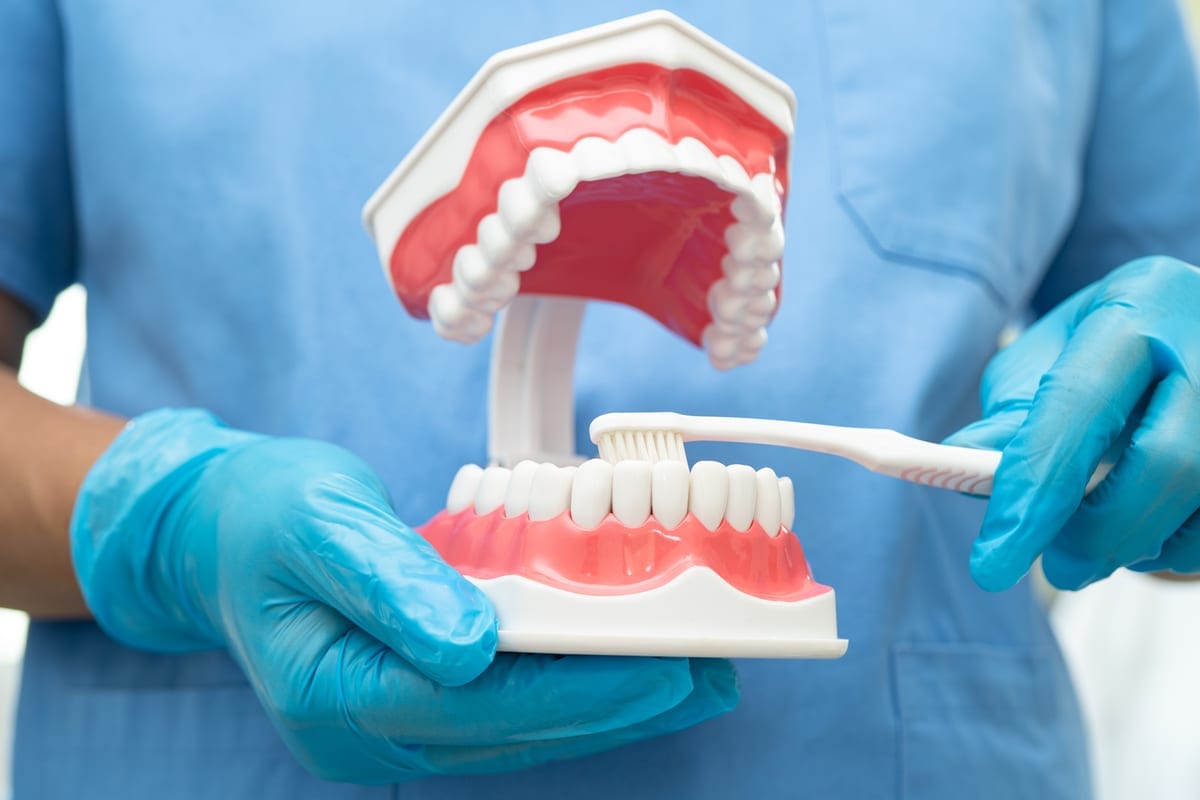
- Brush twice daily with a soft-bristled toothbrush, paying careful attention to the gumline around the implant.
- Floss daily using implant-specific floss or a water flosser to clean areas a toothbrush cannot reach.
- Avoid hard and sticky foods that place unnecessary stress on the implant crown, particularly in the first year after placement.
- Wear a nightguard if you grind your teeth — this single step can dramatically extend the life of your crown and protect the implant post.
- Quit smoking — studies show cessation significantly improves implant success rates even after placement.
- Attend every scheduled check-up so your dentist can monitor the implant, bone levels, and surrounding tissue regularly.
Dr. Shehata also recommends reviewing your Dental History Glendora before your first visit. Understanding your complete health background allows the care team to personalize your implant maintenance plan. Small adjustments based on your unique history make a measurable difference over time.
The Role of Professional Care in Keeping Implants Healthy
Home care alone is not enough to maximize implant longevity. Professional monitoring catches problems in their earliest stages, when treatment is simpler and less costly. Regular dental visits are arguably the most important single factor in long-term implant success.
During professional cleanings, hygienists use specialized instruments designed for implants. Standard metal scalers can scratch titanium surfaces and create grooves where bacteria accumulate. Trained professionals use plastic or graphite instruments to clean safely around implant components without causing damage.
Scheduling your Dental Exams Cleanings Glendora every six months is the standard recommendation for implant patients. Some patients with a history of gum disease benefit from visits every three to four months. Dr. Shehata determines the ideal recall interval based on each patient’s individual risk profile.
Routine X-rays also play a crucial role. They reveal bone level changes around the implant before they become visible clinically. Catching bone loss early allows for intervention that can save the implant entirely.
Choosing the Right Provider Matters From Day One
Long-term implant success begins before the first incision is made. Patient selection, treatment planning, and surgical precision all influence how well an implant integrates and how long it thrives. An experienced provider assesses bone volume, bite alignment, and systemic health before proceeding.
At Glendora Healthy Smiles, Dr. Christine Shehata takes a comprehensive approach to every implant case. She reviews imaging, evaluates bone density, and discusses realistic expectations with each patient openly. That transparency sets the stage for outcomes patients can depend on for decades.
Placement technique matters too. Implants placed at the correct depth and angle heal more predictably. They also distribute bite forces more evenly, which reduces stress on surrounding bone and the crown itself. Precision at placement protects longevity at every stage that follows.
Conclusion: Your Implant Investment Can Last a Lifetime
Dental implants are one of the most durable restorations in modern dentistry. With the right care, the right habits, and the right dental team, they genuinely can last a lifetime. The key is understanding what supports that longevity — and acting on that knowledge consistently. Glendora patients who stay proactive with their oral health give their implants the best possible chance of permanent success. Book Now to schedule your appointment with our team.
Frequently Asked Questions
How long do dental implants typically last?
The titanium implant post can last a lifetime when properly cared for. The crown attached on top usually lasts 10 to 15 years before needing replacement due to everyday wear and tear. Many patients keep their implants functioning well for 25 to 40 years with good oral hygiene and regular professional care.
Can dental implants fail years after placement?
Yes, late implant failure can occur even years after successful osseointegration. It is most commonly caused by peri-implantitis, significant bone loss, uncontrolled systemic disease, or trauma. Regular dental check-ups allow Dr. Shehata to detect warning signs early and intervene before the implant is lost.
Does smoking really affect how long implants last?
Smoking significantly increases the risk of implant failure. Nicotine reduces blood flow to gum tissue, impairs healing after surgery, and accelerates bone loss around the implant. Patients who quit smoking before and after implant placement have substantially better long-term success rates.
What is peri-implantitis and how does it affect implant lifespan?
Peri-implantitis is an inflammatory condition affecting the gum and bone tissue surrounding a dental implant. It is caused by bacterial infection, similar to gum disease around natural teeth. If left untreated, it causes progressive bone loss that can ultimately lead to implant failure. Early treatment and consistent hygiene help prevent it.
How often should implant patients see their dentist in Glendora?
Most implant patients should visit the dentist every six months for professional cleanings and examinations. Patients with a history of gum disease or other risk factors may need to come in every three to four months. Dr. Shehata personalizes the recommended schedule based on each patient’s specific oral health needs.