432 West Foothill Blvd. Glendora, CA 91741
Your Veneers Will Last Decades If You Avoid These Common Mistakes

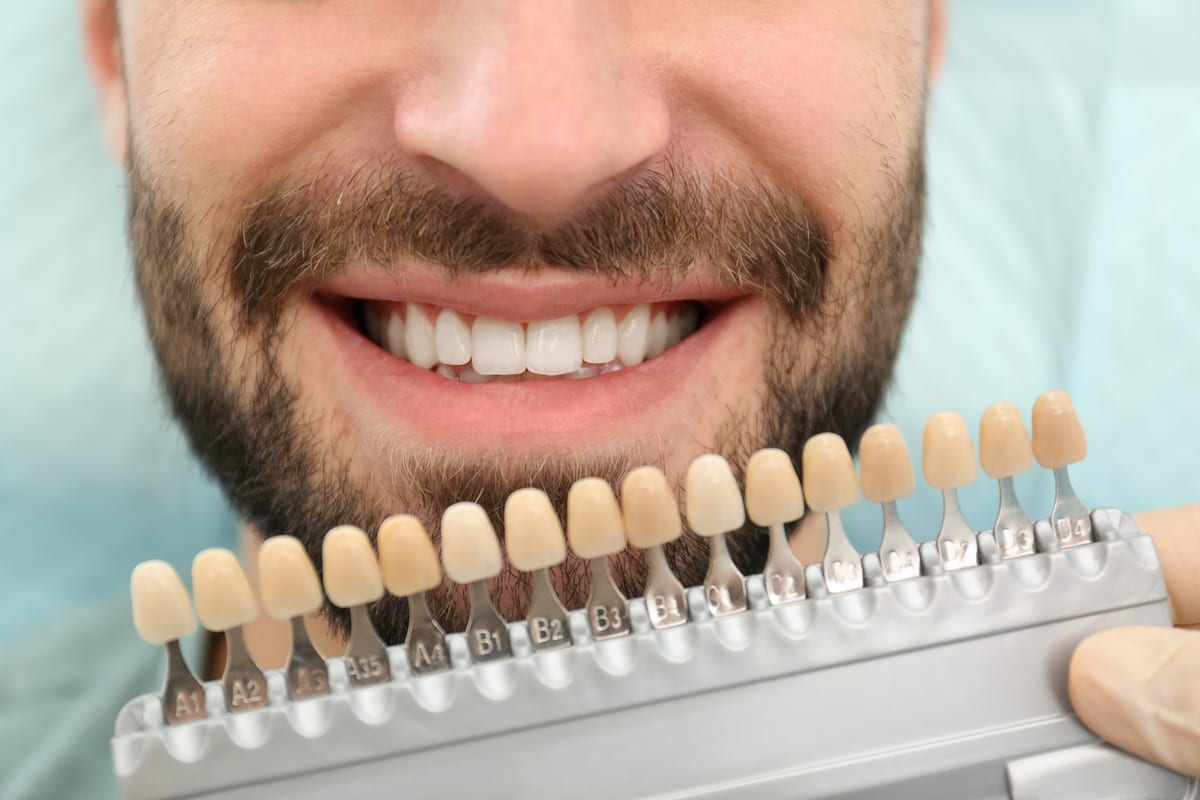
Porcelain veneers are one of the most rewarding investments you can make in your smile. Many Glendora patients ask Dr. Christine Shehata how long their veneers will last. The honest answer is that your veneers will last decades if you avoid these common mistakes in Glendora — but only if you take the right steps. With proper care, veneers can stay beautiful for 15 to 20 years or even longer.
This guide walks you through everything you need to know. We cover the habits that silently damage veneers and the routines that protect them. Dr. Shehata and the team at Glendora Healthy Smiles want your results to stand the test of time.
Common Mistakes That Shorten the Life of Your Veneers in Glendora
Many veneer problems are completely preventable. The most common culprit is biting down on hard foods. Things like ice, hard candies, and crusty bread can chip or crack porcelain veneers over time.
Nail biting is another habit that causes surprising damage. It applies repeated pressure to the edges of your veneers. This stress eventually leads to micro-fractures that weaken the porcelain.
Using your teeth as tools is equally destructive. Opening packages, tearing tape, or holding objects with your teeth should all be avoided. These actions were never meant for porcelain surfaces.
- Chewing ice or hard candy
- Biting your nails or pencils
- Opening bottles or packages with your teeth
- Grinding your teeth without a night guard
- Using abrasive whitening toothpastes on veneers
Teeth grinding, also called bruxism, is one of the most damaging forces veneers can face. If you grind at night, ask Dr. Shehata about a custom night guard. It creates a protective barrier between your upper and lower teeth.
Staining Drinks and Foods to Watch Out For
Porcelain veneers resist staining better than natural teeth. However, the bonding cement used to attach them can pick up color over time. This creates visible dark lines at the edges of your veneers.
Coffee, tea, and red wine are the biggest offenders. These drinks contain pigments that slowly seep into cement and surrounding enamel. Limiting consumption protects both your veneers and your overall smile.
When you do enjoy these beverages, use a straw. This simple habit reduces direct contact between staining liquids and your veneer surfaces. Rinse your mouth with water afterward for extra protection.
- Coffee and espresso
- Red wine and dark grape juice
- Black tea and green tea
- Tomato-based sauces
- Soy sauce and balsamic vinegar
- Dark berries like blueberries and blackberries
Tobacco products are also serious threats to veneer longevity. Smoking discolors the bonding cement and damages the gum tissue that frames your veneers. Quitting smoking improves both your oral health and the appearance of your smile.
The Right Products to Protect and Maintain Your Veneers
Not all dental products work well with porcelain veneers. Choosing the right ones makes a meaningful difference. Dr. Shehata recommends a non-abrasive fluoride toothpaste for daily use.
Avoid whitening toothpastes with harsh abrasives. These products scratch the surface of porcelain veneers. Scratches trap bacteria and make veneers appear dull over time.
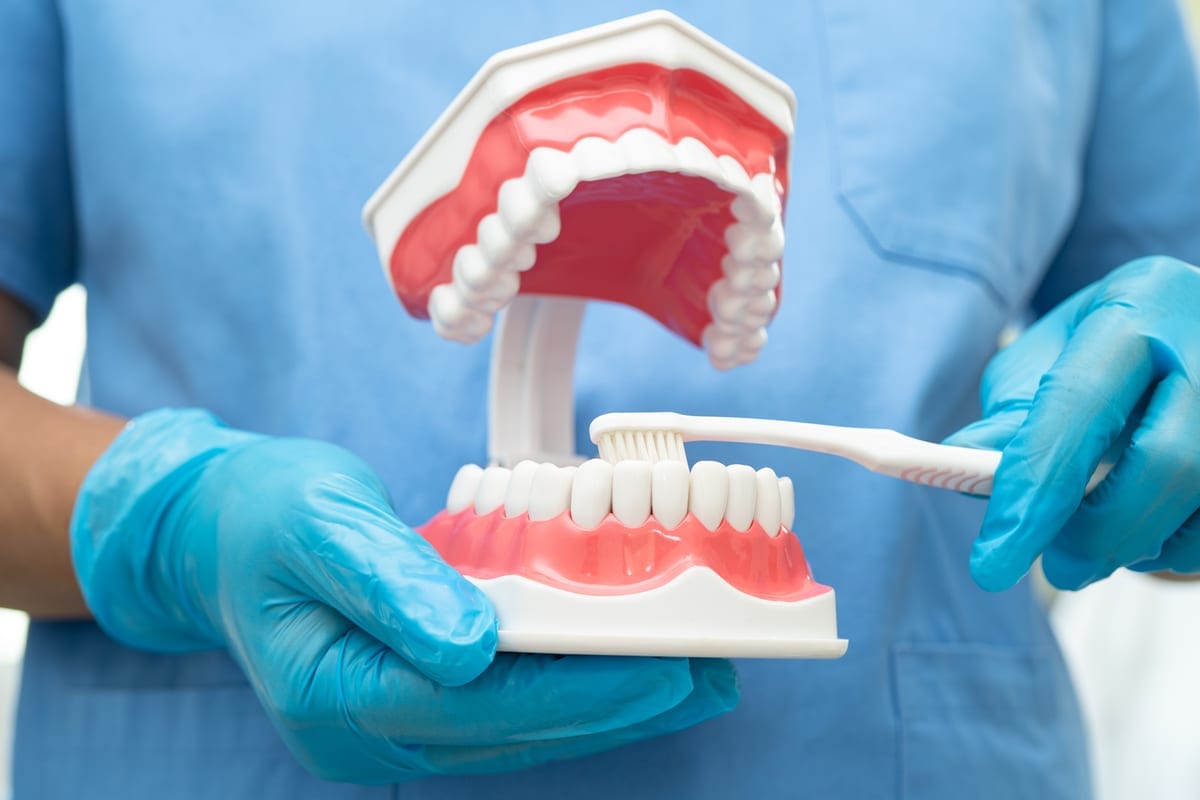
Use a soft-bristled toothbrush and gentle circular motions. Hard-bristled brushes wear down the polished veneer surface. Gentle technique preserves both the veneer and the gum tissue around it.
Alcohol-based mouthwashes can weaken the bonding agent that holds veneers in place. Choose an alcohol-free rinse instead. Many fluoride-based rinses are safe and effective for veneer patients.
Flossing remains essential even with veneers. Slide floss gently between teeth rather than snapping it against the gum line. A water flosser is a great alternative for patients who find traditional floss tricky around veneer edges.
Why Regular Dental Visits in Glendora Are Essential for Veneer Longevity
Even perfectly placed veneers need professional attention. Routine checkups allow Dr. Shehata to catch small issues before they become costly problems. Early detection is always better than emergency repair.
During your Dental Exams Cleanings Glendora visit, the team uses specialized instruments safe for porcelain surfaces. Standard metal scalers can scratch veneers, but trained hygienists know how to clean around them properly. Professional polishing also restores the natural luster of your veneers.
Dr. Shehata checks the fit and integrity of each veneer at every visit. She looks for signs of chipping, lifting, or changes in your bite. Catching these signs early prevents larger structural problems down the road.
Many patients who receive veneers also ask about Dental Implants Glendora to address missing teeth. Replacing missing teeth prevents bite shifting, which can put extra stress on your veneers. A complete, balanced bite protects every restoration in your mouth.
We generally recommend visiting us every six months. Patients who grind their teeth or have complex smile restorations may benefit from more frequent visits. Dr. Shehata personalizes every care plan to fit your unique situation.
Building a Daily Routine That Makes Veneers Last
Long-lasting veneers start with consistent daily habits. Brush twice a day using the gentle technique described above. Floss or water-floss once daily to keep the gum line healthy around each veneer.
Wear your night guard every night if you have been fitted for one. Skipping even a few nights adds up over months and years. Consistent use is the most effective way to prevent grinding damage.
Stay hydrated throughout the day. Dry mouth concentrates acids and bacteria near your veneer margins. Drinking water regularly neutralizes these harmful effects and supports overall oral health.
Be mindful at mealtimes. Cut hard fruits and vegetables into small pieces before eating. Slice apples, carrots, and similar foods rather than biting directly into them with your veneer teeth.
Schedule your next cleaning before you leave your current appointment. Patients who book ahead are far more likely to maintain consistent care. Small, consistent actions protect your investment year after year.
Conclusion
Your veneers are a long-term commitment to your confidence and oral health. The good news is that protecting them does not require dramatic lifestyle changes. Avoiding the common mistakes outlined here goes a long way toward ensuring decades of beautiful results. Dr. Christine Shehata and the Glendora Healthy Smiles team are here to guide you every step of the way. Book Now to schedule your appointment with our team.
Frequently Asked Questions
How long do porcelain veneers actually last with proper care?
With proper care, porcelain veneers typically last between 15 and 20 years. Some patients keep their veneers in excellent condition for even longer. Regular checkups, good daily habits, and avoiding hard foods are the key factors that determine veneer lifespan.
Can I whiten my veneers if they start to look dull?
Traditional whitening treatments do not work on porcelain veneers. The porcelain itself does not respond to bleaching agents. If your veneers look dull or stained at the edges, Dr. Shehata can professionally polish them or discuss replacement options during your visit.
Do I need a night guard if I have veneers?
If you grind or clench your teeth, a custom night guard is strongly recommended. Grinding puts intense pressure on veneers and can cause chipping or cracking. A night guard creates a cushion between your upper and lower teeth and significantly extends the life of your veneers.
Is flossing safe around veneers?
Yes, flossing is completely safe and very important for veneer patients. Gum disease around veneer margins can lead to lifting or discoloration. Use a gentle sliding motion rather than snapping the floss. A water flosser is also an excellent option for cleaning around veneer edges without risk of damage.
What should I do if a veneer chips or feels loose?
Contact Glendora Healthy Smiles as soon as possible if a veneer chips, cracks, or feels loose. Do not try to re-attach it yourself. Dr. Shehata can evaluate the damage and determine whether a repair or replacement is needed. Prompt attention usually prevents more extensive treatment.