432 West Foothill Blvd. Glendora, CA 91741
Why Your Gums Are Silently Failing Between Professional Cleanings

Most Glendora patients brush and floss consistently. Yet many still develop gum disease without ever realizing it. Understanding why your gums are silently failing between professional cleanings in Glendora can change how you think about your oral health. The problem often starts below the gumline — where your toothbrush simply cannot reach.
At Glendora Healthy Smiles, Dr. Christine Shehata sees this pattern regularly. Patients arrive with healthy-looking teeth but with gum tissue that is quietly deteriorating. This article explains why that happens and what professional cleanings do to interrupt the cycle.
What Is Silently Happening Below Your Gumline?
Your mouth contains hundreds of bacterial species. Most are harmless. But certain bacteria thrive in the oxygen-poor environment beneath your gumline. They form a sticky film called plaque that clings to root surfaces and gum pockets.
When plaque is not removed, it hardens into tartar within 24 to 72 hours. Tartar is porous and rough. It provides the perfect surface for even more harmful bacteria to colonize. No amount of brushing or flossing removes tartar once it forms.
These bacteria release toxins constantly. Your immune system responds by triggering inflammation. Over time, that inflammation breaks down the gum tissue and the bone holding your teeth in place. This is gum disease — and it rarely causes pain in its early stages.
Why Your Gums Silently Fail Between Professional Cleanings in Glendora
Between dental appointments, bacterial colonies rebuild quickly. Studies show that plaque can reach dangerous levels within just a few weeks. For many Glendora patients, six months between cleanings gives bacteria plenty of time to cause real damage.
Gum disease progresses in stages. Gingivitis is the earliest stage. It causes redness, swelling, and bleeding when you brush. Most patients dismiss this as normal. It is not. Left untreated, gingivitis advances to periodontitis.
Periodontitis destroys the bone and connective tissue supporting your teeth. This damage is largely irreversible. Deep pockets form between teeth and gums. Those pockets trap even more bacteria. The cycle accelerates silently — often for months or years before a patient notices serious symptoms.
- Bleeding gums — often the first warning sign patients ignore
- Persistent bad breath — caused by bacteria releasing sulfur compounds
- Gum recession — teeth appear longer as gum tissue pulls back
- Tooth sensitivity — exposed root surfaces react to hot and cold
- Loose teeth — bone loss makes teeth unstable over time
How Professional Cleanings Interrupt the Cycle of Gum Disease
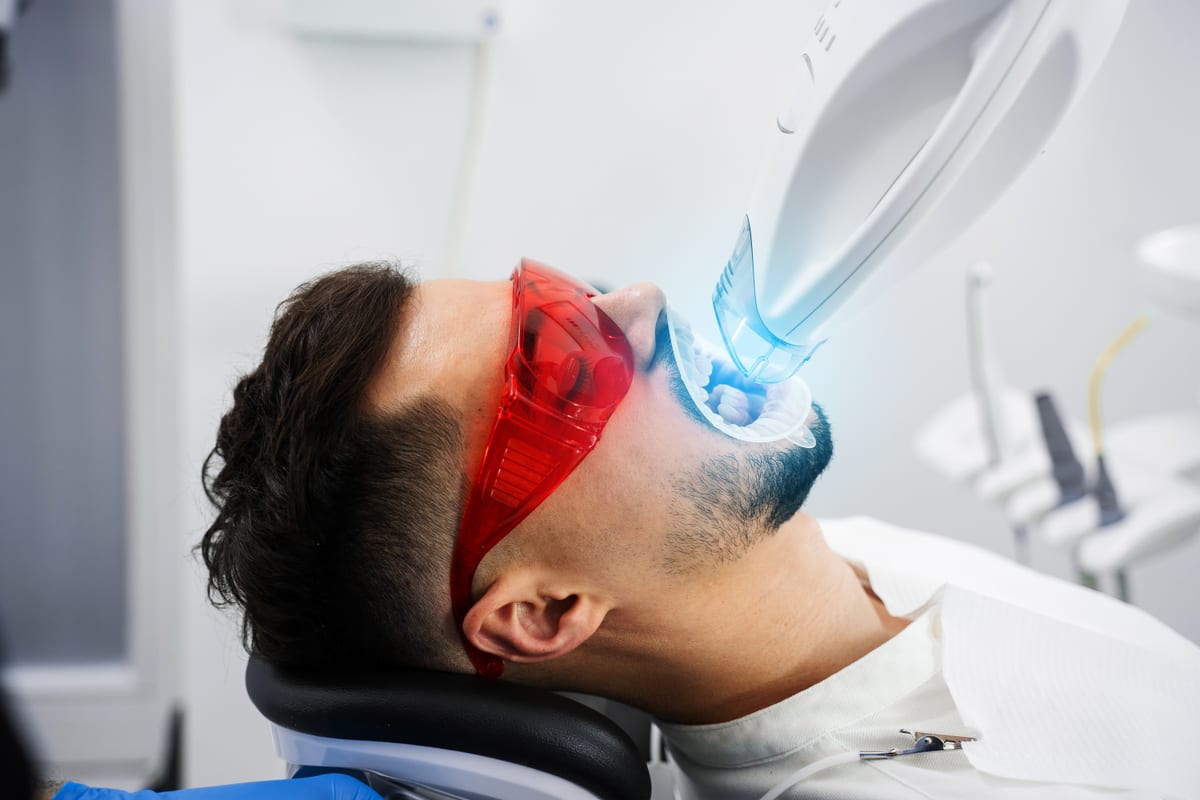
A professional cleaning does far more than polish your teeth. The process called scaling removes tartar from above and below the gumline. This is something only a trained dental hygienist or dentist can accomplish safely and thoroughly.
Scaling disrupts the bacterial colonies that cause ongoing inflammation. Once those colonies are removed, your gum tissue can begin to heal. Healthy gums reattach more tightly to your teeth. This reduces the depth of gum pockets and makes it harder for bacteria to hide.
For patients with early gum disease, a deeper procedure called scaling and root planing may be recommended. This treatment smooths the root surface. Smooth roots make it harder for bacteria to adhere and rebuild their colonies between visits.
- Removes hardened tartar that brushing cannot touch
- Disrupts harmful bacterial colonies before they cause irreversible damage
- Reduces gum pocket depth to limit bacterial hiding spots
- Allows inflamed gum tissue to heal and reattach properly
- Gives Dr. Shehata a chance to catch problems early before they escalate
Regular cleanings also allow Dr. Shehata to monitor changes in your gum health over time. Early detection means simpler, more effective treatment.
When Gum Disease Goes Too Far — What Comes Next
Some patients arrive at Glendora Healthy Smiles after years of skipping cleanings. By that point, gum disease may have caused significant tooth damage or tooth loss. Treatment options become more complex and more involved at this stage.
Severely damaged teeth may require Root Canal Therapy Glendora to save the tooth structure before the infection spreads further. In some cases, teeth cannot be saved at all. Bone loss from advanced periodontitis can also complicate options like dental implants.
A sudden gum abscess or severe gum pain may require urgent care. If you experience sudden swelling, severe bleeding, or intense oral pain, contact an Emergency Dentist Glendora Glendora right away. Fast intervention can prevent the infection from spreading to surrounding teeth and tissue.
This is exactly why prevention matters so much. Treating advanced gum disease is far more complex than maintaining healthy gums through regular cleanings. The investment in routine care pays off enormously in the long run.
How Often Should Glendora Patients Schedule Professional Cleanings?
For most adults with healthy gums, a cleaning every six months is appropriate. However, patients with a history of gum disease often need more frequent visits. Dr. Shehata may recommend cleanings every three to four months for higher-risk patients.
Several factors increase your personal risk for gum disease. Knowing your risk helps you and Dr. Shehata create a prevention schedule that works for your specific situation.
Risk factors include smoking, diabetes, dry mouth, certain medications, family history of gum disease, and hormonal changes during pregnancy. Each of these can accelerate bacterial growth or impair your body’s ability to fight gum infection. Discussing these factors openly with Dr. Shehata leads to a more personalized care plan.
Staying consistent with your cleaning schedule is the single most powerful step you can take to protect your gum health between visits. Do not wait for symptoms before scheduling your next appointment.
Conclusion: Take Action Before Your Gums Give You a Warning Sign
Gum disease earns its reputation as a silent condition for good reason. It rarely causes obvious pain until the damage is already significant. By understanding why your gums are silently failing between professional cleanings in Glendora, you are better equipped to take prevention seriously.
Dr. Christine Shehata and the team at Glendora Healthy Smiles are here to help you stay ahead of gum disease with personalized, thorough professional cleanings. Early and consistent care protects not just your gums — but your overall health as well. Book Now to schedule your appointment with our team.
Frequently Asked Questions
How do I know if my gums are failing silently?
Many patients have no obvious pain during early gum disease. Watch for signs like bleeding when brushing, persistent bad breath, redness, swelling, or gum recession. These are early warnings that bacteria below the gumline are causing damage. Schedule a professional evaluation at Glendora Healthy Smiles if you notice any of these symptoms.
Can I reverse gum disease with better brushing at home?
Gingivitis, the earliest stage, can often be reversed with improved home care and a professional cleaning. However, once gum disease advances to periodontitis, the bone and tissue loss is largely irreversible. Professional treatment is essential to stop progression. Home care alone cannot remove the hardened tartar that drives the disease.
Why do my gums bleed even though I brush every day?
Bleeding gums are almost always a sign of inflammation caused by bacterial buildup — not a sign that you are brushing too hard. Daily brushing removes surface plaque, but bacteria below the gumline continue to trigger immune responses that cause bleeding. A professional cleaning removes the deeper deposits that brushing misses entirely.
How quickly does plaque turn into tartar?
Plaque can begin to calcify into tartar in as little as 24 to 72 hours. Once tartar forms, it bonds tightly to tooth surfaces and cannot be removed by brushing or flossing. Only professional dental instruments can safely remove tartar. This is why consistent professional cleanings are essential — not just good home care.
Is gum disease linked to other health problems?
Yes. Research has linked chronic gum disease to an increased risk of heart disease, diabetes complications, stroke, and respiratory issues. The bacteria involved in gum disease can enter the bloodstream and affect other organs. Treating gum disease is not just about saving teeth — it is an important part of protecting your overall systemic health.