432 West Foothill Blvd. Glendora, CA 91741
Why Your Yellow Teeth Won’t Whiten: Intrinsic vs. Extrinsic Stains

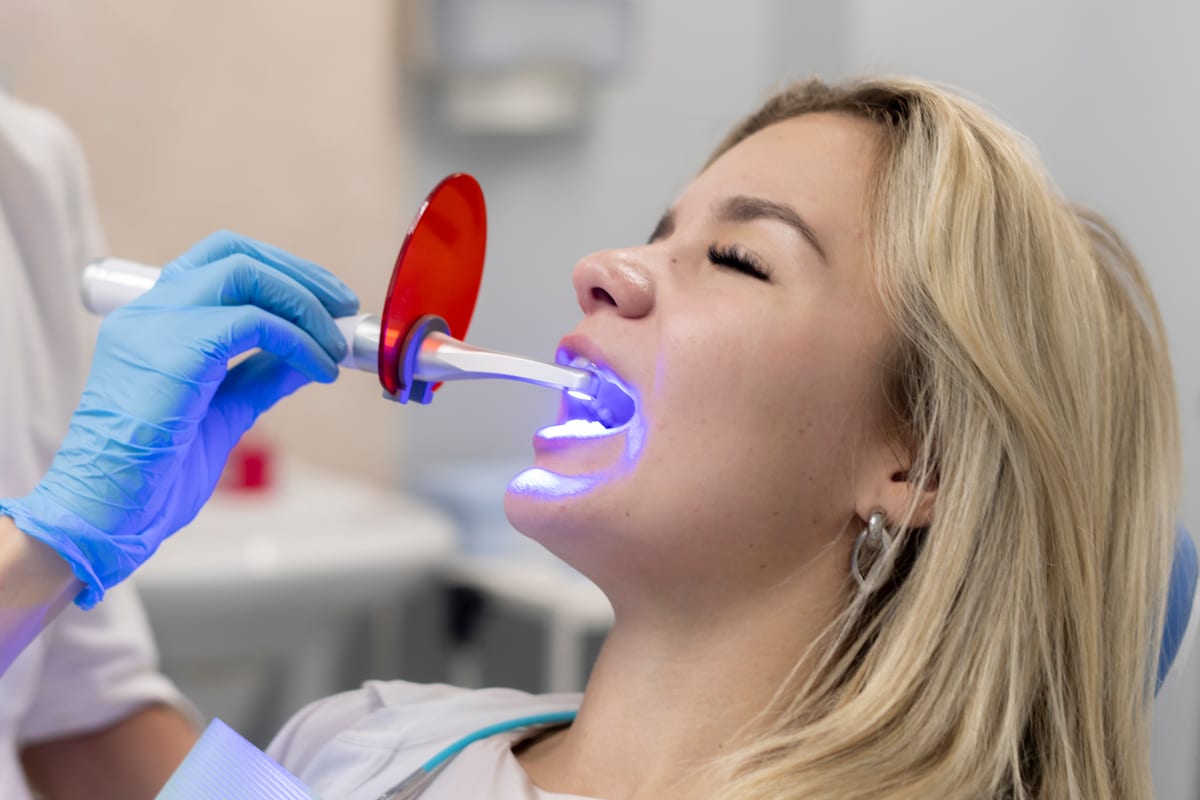
You have tried whitening toothpaste. You have used over-the-counter strips. Maybe you even tried a whitening kit from the pharmacy. Yet your teeth still look yellow. If this sounds familiar, you are not alone — and there is a real reason it is happening. Understanding why your yellow teeth won’t whiten comes down to one key concept: intrinsic vs. extrinsic stains in Glendora patients are two very different problems. At Glendora Healthy Smiles, Dr. Christine Shehata helps patients understand exactly what kind of discoloration they have — and what can actually fix it.
What Are Extrinsic Stains and Why Do They Happen?
Extrinsic stains sit on the outer layer of your tooth, called the enamel. They form when pigmented particles from food and drinks bond to the enamel surface over time. These are the stains most people picture when they think about yellow teeth.
Common causes of extrinsic stains include:
- Coffee and tea consumption
- Red wine and dark-colored sodas
- Tobacco use — smoking or chewing
- Certain sauces like soy or tomato
- Poor brushing habits that allow buildup
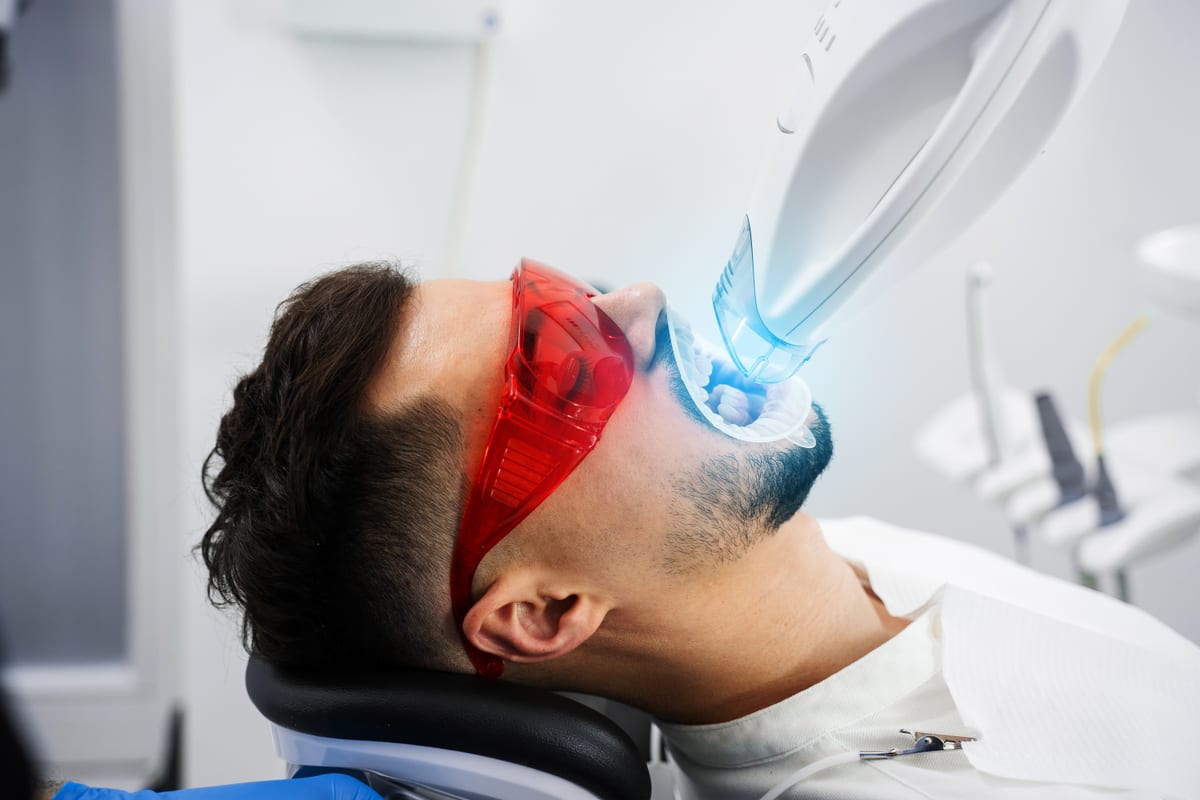
The good news is that extrinsic stains respond well to whitening treatments. Professional cleanings can remove surface buildup quickly. Routine Dental Exams Cleanings Glendora are often the first step in addressing surface discoloration. From there, professional whitening can lift those stubborn pigment deposits effectively.
Intrinsic Stains: The Real Reason Whitening Does Not Always Work
Intrinsic stains are different. They exist inside the tooth — within the dentin layer beneath the enamel. No whitening gel can reach that deep. This is the primary reason many Glendora patients are frustrated when whitening products do not deliver results.
Intrinsic staining can develop from several causes:
- Tetracycline antibiotic use during tooth development in childhood
- Excessive fluoride exposure, which causes a condition called fluorosis
- Tooth trauma that affects the inner pulp
- Natural aging, which causes dentin to darken over time
- Certain genetic conditions affecting tooth structure
These stains are locked inside the tooth itself. Surface whitening products have no effect on them. That is not a failure of the product — it is simply the wrong tool for the job. Identifying your stain type is essential before choosing a treatment plan.
How Dr. Shehata Diagnoses Your Type of Discoloration in Glendora
Not every yellow tooth is the same. Dr. Christine Shehata takes a careful approach before recommending any whitening or cosmetic solution. She examines the shade, pattern, and distribution of discoloration during your dental visit.
She also reviews your dental and medical history. Antibiotic use in childhood, past tooth injuries, and previous dental work all provide important clues. This thorough evaluation ensures you receive a treatment plan that actually addresses your specific stain type.
Patients with extrinsic stains often see excellent results from professional in-office whitening. Patients with intrinsic stains need a different approach entirely. Knowing the difference saves you time, money, and disappointment.
Effective Alternatives When Whitening Will Not Work
If you have intrinsic staining, you still have strong cosmetic options. Several treatments can completely mask internal discoloration and give you a bright, natural-looking smile. Dr. Shehata offers several solutions at Glendora Healthy Smiles based on your specific situation.
Dental Veneers are one of the most popular and effective solutions. These thin porcelain shells bond to the front surface of your teeth. They cover intrinsic stains completely and are highly resistant to future staining. Veneers also correct shape and size issues at the same time.
Dental Bonding is a more affordable alternative for mild intrinsic discoloration. Dr. Shehata applies a tooth-colored resin directly to the surface of the tooth. This covers staining quickly and requires minimal enamel removal. It is a great option for patients who want results without a major commitment.
Dental Crowns may be recommended when a tooth has significant internal staining along with structural damage. A crown covers the entire visible portion of the tooth. This restores both the appearance and function of the affected tooth.
In cases where a damaged or deeply stained tooth cannot be saved, Dental Implants Glendora offer a permanent, natural-looking replacement. An implant replaces the entire tooth from root to crown. It looks and functions just like a natural tooth with no discoloration concerns.
Frequently Asked Questions
Can whitening toothpaste remove intrinsic stains?
No. Whitening toothpaste works by polishing or mildly bleaching the outer enamel surface. Intrinsic stains are located inside the dentin layer, which toothpaste cannot reach. For intrinsic stains, you need a cosmetic solution like veneers, bonding, or crowns.
How do I know if my stains are intrinsic or extrinsic?
A dental examination is the most reliable way to determine your stain type. Dr. Shehata looks at the color pattern, distribution, and your personal history to make that determination. Surface stains often appear uneven or concentrated around the gumline, while intrinsic stains tend to affect the entire tooth uniformly.
Is professional whitening stronger than over-the-counter products?
Yes. Professional whitening uses a higher concentration of bleaching agent and is applied under controlled conditions. It is far more effective for extrinsic stains than store-bought strips or trays. However, even professional whitening cannot treat intrinsic discoloration.
Will veneers look natural on my teeth?
Yes. Modern porcelain veneers are custom-made to match the shape, size, and shade of your surrounding teeth. Most people cannot tell the difference between a veneer and a natural tooth. Dr. Shehata designs each veneer to complement your unique smile.
How long do cosmetic solutions for intrinsic stains last?
Porcelain veneers typically last 10 to 15 years with proper care. Dental bonding usually lasts 5 to 10 years before it may need refreshing. Dental crowns can last 15 years or longer depending on how well they are maintained. Regular checkups at Glendora Healthy Smiles help extend the life of any cosmetic treatment.
Yellow teeth that will not whiten are a common frustration — but they are not a dead end. Whether you have extrinsic stains from daily habits or intrinsic stains from internal factors, Dr. Christine Shehata has a solution that fits your specific situation. Glendora Healthy Smiles is here to guide you through every step of the process with honest, expert care. Book Now to schedule your appointment with our team.