432 West Foothill Blvd. Glendora, CA 91741

What to Expect After Your Dental Bridge: Recovery Timeline and Care Tips

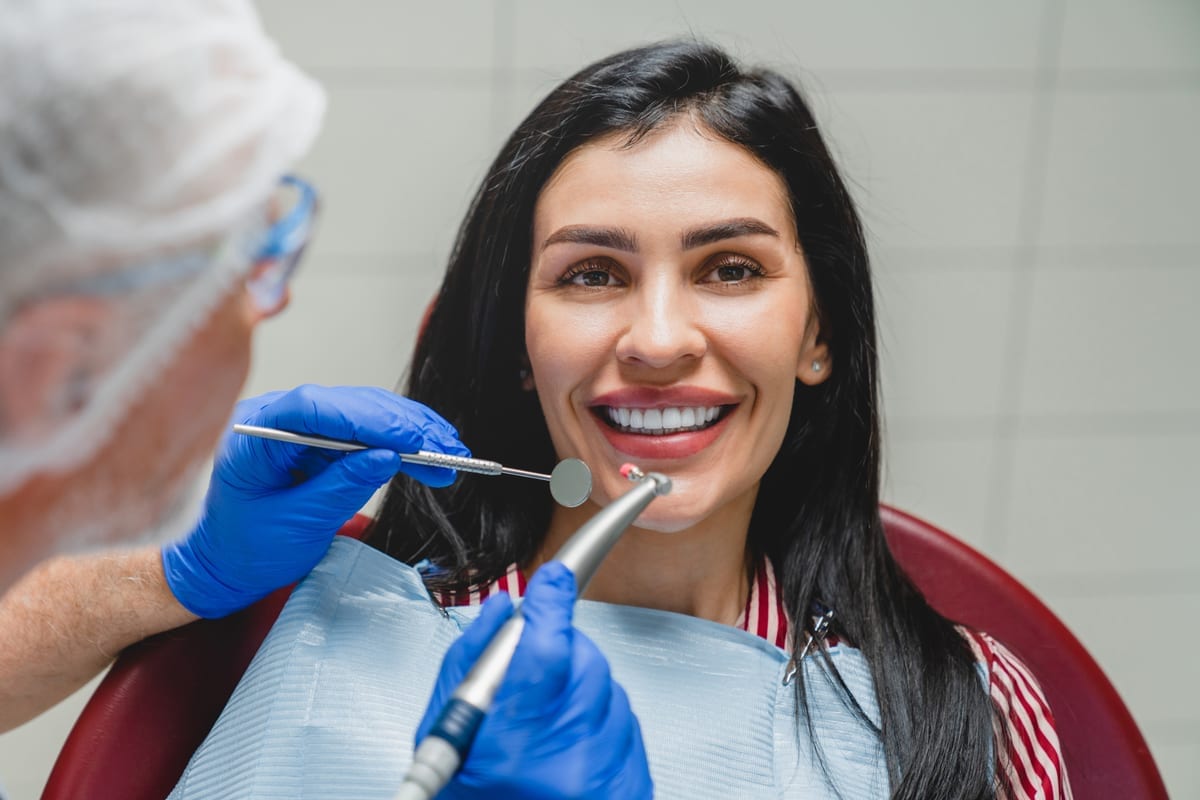
Getting a dental bridge is a big step toward restoring your smile. But many patients in Glendora wonder what happens once they leave the dental chair. Knowing what to expect after your dental bridge — including the recovery timeline and care tips — helps you heal faster and protects your investment. Dr. Christine Shehata at Glendora Healthy Smiles is here to walk you through every stage of the process.
Understanding the Dental Bridge Recovery Timeline in Glendora
Most patients experience some sensitivity and mild discomfort right after placement. This is completely normal and typically fades within a few days. Your mouth needs time to adjust to the new restoration.
Here is a general timeline of what to expect after your dental bridge procedure:
- Days 1–3: Mild soreness, sensitivity to hot and cold, and slight gum tenderness are common.
- Days 4–7: Discomfort begins to ease. Sensitivity usually decreases noticeably by day five.
- Weeks 2–4: Your bite feels more natural. Gums continue to heal around the bridge margins.
- After 4 weeks: Most patients feel fully comfortable. The bridge functions like a natural tooth.
Full tissue healing can take up to four to six weeks. Call Dr. Shehata if pain or swelling worsens after the first week. That could signal an issue that needs attention.
What to Eat After Getting a Dental Bridge
Your diet plays a huge role in how smoothly you recover. The wrong foods can dislodge a temporary bridge or irritate tender gum tissue. Smart food choices protect your new restoration during healing.
During the first few days, stick to soft, easy-to-chew options. These include:
- Mashed potatoes and soft cooked vegetables
- Yogurt, smoothies, and scrambled eggs
- Soft fish like tilapia or salmon
- Bananas, applesauce, and ripe avocado
- Lukewarm soups and broths
Avoid hard, crunchy, or sticky foods for at least two weeks. Chewing on the opposite side of your mouth also reduces pressure on the new bridge. As healing progresses, you can gradually reintroduce your normal diet.
Avoid extremely hot or cold beverages in the first few days. Sensitivity is heightened right after placement. Room-temperature drinks are your best friend during early recovery.
Pain Management and Care Tips After Your Dental Bridge
Mild discomfort is expected, but it is very manageable. Over-the-counter pain relievers like ibuprofen or acetaminophen work well for most patients. Always follow the dosage instructions on the label.
Here are Dr. Shehata’s top care tips for recovery and aftercare in Glendora:
- Rinse gently with warm salt water twice daily to soothe gum tissue.
- Brush softly around the bridge using a soft-bristle toothbrush.
- Use floss threaders or interdental brushes to clean under the bridge.
- Avoid alcohol-based mouthwashes during the first week — they can irritate healing tissue.
- Do not chew ice or hard candy at any point after bridge placement.
Maintaining good oral hygiene is critical from day one. Plaque buildup under the bridge can cause decay in the abutment teeth. Cleaning under the bridge daily prevents long-term complications.
If your bite feels uneven after the anesthesia wears off, do not ignore it. An off bite creates pressure and discomfort. Contact Glendora Healthy Smiles quickly so Dr. Shehata can make a simple adjustment.
When to Call Dr. Shehata After Your Dental Bridge Procedure
Some symptoms after a dental bridge are normal. Others are warning signs that require prompt attention. Knowing the difference protects your oral health and your new restoration.
Contact our Glendora office right away if you experience any of the following:
- Pain that gets worse after the third day instead of improving
- Swelling or pus around the bridge or gum line
- The bridge feels loose or shifts when you bite
- Persistent bad taste or odor coming from the area
- Difficulty opening your mouth or jaw pain
These symptoms do not always mean something is seriously wrong. But they do warrant a quick check. Early intervention prevents small issues from becoming bigger problems.
Reviewing your Dental History Glendora with our team also helps us personalize your aftercare. Patients with certain medical conditions may heal differently. Sharing your full health history ensures Dr. Shehata provides the best possible guidance.
Long-Term Care to Keep Your Dental Bridge Healthy
A dental bridge can last 10 to 15 years or longer with proper care. The key is consistent at-home hygiene combined with regular professional visits. Skipping either shortens the life of your bridge significantly.
Schedule routine Dental Exams Cleanings Glendora every six months. Professional cleanings remove tartar buildup that brushing cannot reach. Your dentist also checks the bridge margins for early signs of wear or decay.
Night guards are worth considering if you grind your teeth. Bruxism puts excessive force on dental bridges and can crack the porcelain. Dr. Shehata can evaluate whether a custom night guard is right for you.
Avoid using your teeth as tools. Opening packages or biting fingernails damages natural teeth and restorations alike. Small habits make a big difference in how long your bridge lasts.
Conclusion: Recovering Well Starts with the Right Support
Knowing what to expect after your dental bridge — including the recovery timeline and care tips in Glendora — gives you confidence and control during healing. Most patients recover quickly and comfortably when they follow the right steps. Dr. Christine Shehata and the team at Glendora Healthy Smiles are here to support you every step of the way. Book Now to schedule your appointment with our team.
Frequently Asked Questions
How long does it take to feel normal after a dental bridge?
Most patients feel comfortable within one to two weeks. Sensitivity and mild soreness usually fade within the first three to five days. Full gum tissue healing around the bridge can take up to four to six weeks.
Is it normal to have tooth sensitivity after a dental bridge?
Yes, sensitivity to hot and cold is very common right after placement. The abutment teeth — the teeth supporting the bridge — can feel sensitive as they adjust. This typically resolves within one to two weeks. Let Dr. Shehata know if sensitivity persists beyond that point.
Can I brush my teeth normally after getting a dental bridge?
You should brush gently around the bridge using a soft-bristle toothbrush. Avoid aggressive scrubbing near the gum line during the first week. Use floss threaders or an interdental brush to clean underneath the bridge each day.
What foods should I avoid after a dental bridge?
Avoid hard, crunchy, and sticky foods for at least two weeks after placement. Examples include hard candy, raw carrots, caramel, and ice. These foods can dislodge the bridge or strain the supporting teeth while healing.
How do I know if something is wrong with my dental bridge?
Warning signs include worsening pain after the third day, a loose or shifting bridge, visible swelling, or a persistent bad taste. Contact Glendora Healthy Smiles promptly if any of these symptoms appear. Early attention prevents minor issues from becoming serious complications.