432 West Foothill Blvd. Glendora, CA 91741

Dental Implant Procedure in Azusa, CA


If you’ve been putting off replacing a missing tooth, fear of the unknown is often the biggest obstacle. Understanding what actually happens during your dental implant procedure in Azusa can make a world of difference. At Glendora Healthy Smiles, Dr. Christine Shehata believes that informed patients are confident patients. This guide walks you through every stage — from your very first appointment to full healing.
Step One: Your Initial Consultation and Treatment Planning in Azusa
Everything begins with a thorough consultation. Dr. Shehata reviews your Dental History to understand your oral health background. This helps her spot any conditions that could affect your implant’s success. She also takes digital X-rays and, in many cases, a 3D cone beam scan.
The scan reveals your jawbone density and volume. This matters because the implant post needs adequate bone support to anchor securely. If bone loss is present, Dr. Shehata may discuss a bone grafting procedure first. This is a common step and nothing to worry about.
During this visit, you’ll also discuss your goals, timeline, and what to expect at each stage. Dr. Shehata encourages you to ask every question on your mind. Leaving the consultation with clarity is the goal. Many Azusa patients say this appointment alone relieves most of their anxiety.
Step Two: Preparing Your Mouth Before the Implant Procedure
Before placing the implant, your mouth needs to be in its healthiest state. That often starts with Dental Exams Cleanings to remove plaque, tartar, and bacteria. Gum disease or active decay must be treated before implant surgery. Skipping this step can jeopardize the entire procedure.
If a damaged tooth is still present, it will need extraction first. Dr. Shehata performs extractions gently and with local anesthesia. You won’t feel pain during the process — just mild pressure. After extraction, some healing time may be needed before the implant post is placed.
Some patients require a bone graft at this stage. Grafting material is placed in the jaw to build up volume and density. The area then heals over several months. This preparation phase is essential to the long-term success of your implant.
What Actually Happens During the Dental Implant Surgery Itself
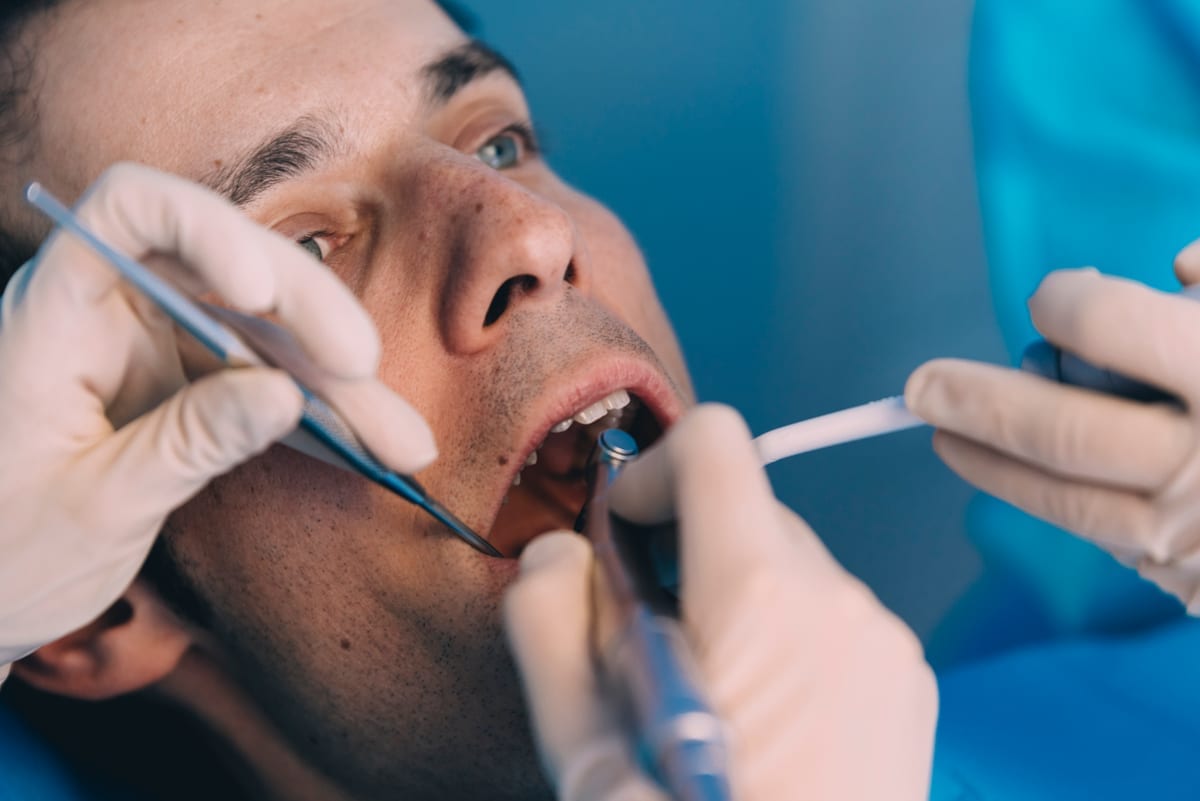
Now comes the stage most patients feel nervous about — the actual implant placement. The good news is that it’s far more straightforward than it sounds. Dr. Shehata administers local anesthesia to fully numb the treatment area. You will remain awake but completely comfortable throughout.
A small incision is made in the gum tissue to expose the jawbone. Dr. Shehata then carefully drills a precise channel into the bone. The titanium implant post — which acts as an artificial tooth root — is gently threaded into place. The gum is then sutured closed around or over the post.
The entire surgical appointment typically takes one to two hours per implant. Most Azusa patients are surprised by how manageable the experience feels. Mild soreness and swelling are normal in the days that follow. Over-the-counter pain relievers and a cold compress handle most discomfort effectively.
The Osseointegration Healing Phase: What’s Happening Inside Your Jaw
After surgery, your body begins a remarkable process called osseointegration. This is when the jawbone slowly fuses with the titanium post. It’s the reason dental implants feel and function like natural teeth. This phase typically takes three to six months.
During this time, you’ll attend follow-up visits so Dr. Shehata can monitor healing. You’ll eat soft foods and avoid putting pressure on the implant site. Most patients return to normal daily routines within a few days of surgery. The healing phase requires patience, but the results are absolutely worth it.
Here is what to expect during the osseointegration period:
- Mild swelling and tenderness for the first few days
- Soft food diet to protect the implant site
- Regular rinses with prescribed antimicrobial mouthwash
- Scheduled check-ins with Dr. Shehata to confirm fusion progress
- Gradual return to normal chewing as healing advances
Placing the Abutment and Final Crown: Completing Your New Smile
Once osseointegration is complete, the next step is placing the abutment. This small connector piece attaches to the top of the implant post. A minor procedure reopens the gum to expose the implant. The abutment is then secured, and the gum tissue heals around it.
After a short healing period, impressions or digital scans of your teeth are taken. These images guide the creation of your custom dental crown. The crown is color-matched to blend seamlessly with your surrounding teeth. When it’s ready, Dr. Shehata attaches it to the abutment for a perfect fit.
The final crown looks, feels, and functions like a real tooth. You can eat, speak, and smile with complete confidence. With proper care, a dental implant can last decades. Many patients say it’s the best dental investment they’ve ever made.
Key Benefits of Choosing Dental Implants Over Other Options
Dental implants stand out from alternatives like bridges or dentures for several important reasons. They preserve jawbone and prevent the bone loss that follows tooth loss. They don’t rely on neighboring teeth for support. And they require no adhesives or overnight removal.
Here’s a quick summary of why so many Azusa patients choose implants:
- They look and function exactly like natural teeth
- They stimulate the jawbone and prevent bone deterioration
- They are a long-term, durable tooth replacement solution
- They don’t affect adjacent healthy teeth
- They support overall oral health and facial structure
Ready to Take the Next Step Toward a Complete Smile?
Now that you understand what actually happens during a dental implant procedure in Azusa, the process may feel far less intimidating. Dr. Christine Shehata and the team at Glendora Healthy Smiles are here to guide you every step of the way. You deserve a complete, healthy smile — and you deserve to feel comfortable getting there. Book Now to schedule your appointment with our team.
Frequently Asked Questions
Is the dental implant procedure painful?
Most patients experience minimal discomfort during the procedure itself because local anesthesia fully numbs the area. Afterward, mild soreness and swelling are common for a few days. Over-the-counter pain medication and cold compresses manage this effectively. Dr. Shehata also provides detailed aftercare instructions to keep you comfortable.
How long does the entire dental implant process take?
The full process — from consultation to final crown — typically takes between three and nine months. Most of that time is dedicated to healing and osseointegration rather than active treatment. The actual surgical appointment usually lasts one to two hours. Your timeline will depend on your individual bone health and healing speed.
Am I a good candidate for dental implants?
Most healthy adults with missing teeth are good candidates for implants. Adequate jawbone density is important, though bone grafting can address deficiencies. Dr. Shehata evaluates your oral health, bone volume, and medical history during your consultation. She will let you know honestly whether implants are the right solution for you.
What should I eat after implant surgery?
Stick to soft foods for the first week or two following your procedure. Good options include yogurt, mashed potatoes, smoothies, and scrambled eggs. Avoid hard, crunchy, or sticky foods that could disturb the implant site. Dr. Shehata will guide you on when it’s safe to gradually reintroduce normal foods.
How do I care for my dental implant long-term?
Caring for an implant is much like caring for a natural tooth. Brush twice daily, floss regularly, and schedule routine dental check-ups. Avoiding tobacco and maintaining good oral hygiene significantly extend the life of your implant. With proper care, implants can last 20 years or more.