432 West Foothill Blvd. Glendora, CA 91741

Veneers vs. Bonding in Citrus, CA

If you live in Citrus and want a better-looking smile, two options probably keep coming up: veneers and dental bonding. Both can fix chips, gaps, stains, and uneven teeth. But when it comes to veneers vs. bonding — which smile fix actually lasts longer in Citrus — the answer depends on your goals, budget, and tooth condition. This guide breaks down both treatments so you can make a confident choice.
What Are Veneers and How Do They Work?
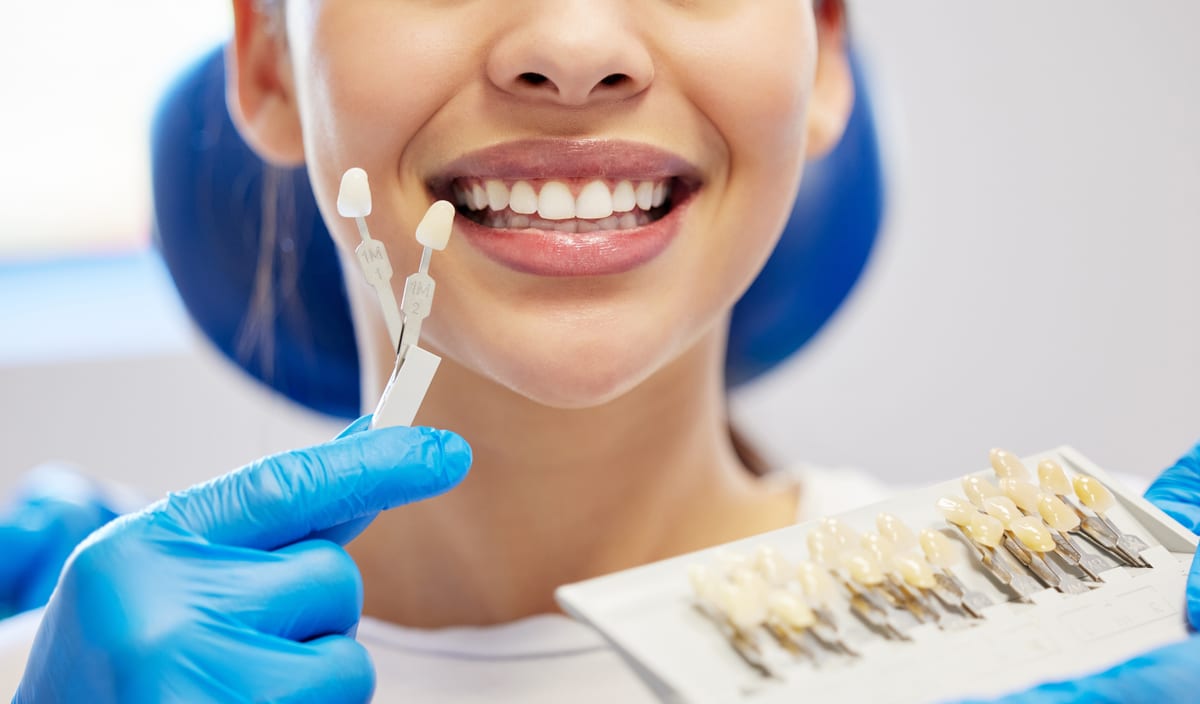
Veneers are thin shells made from porcelain or composite resin. Dr. Christine Shehata bonds them to the front surface of your teeth. They cover flaws and create a uniform, natural-looking smile. Porcelain veneers are the most popular choice because they resist staining and mimic real enamel well.
Getting veneers usually takes two appointments. During the first visit, a small amount of enamel is removed from each tooth. This step is permanent — veneers will always be needed on those teeth going forward. An impression is taken and sent to a dental lab. Custom shells return within a couple of weeks and are bonded permanently at your second visit.
Porcelain veneers typically last 10 to 20 years with proper care. That makes them one of the most durable cosmetic options available. Regular Dental Exams Cleanings help protect your investment and keep veneers looking their best for years.
What Is Dental Bonding and Who Is It Best For?
Dental bonding uses a tooth-colored resin applied directly to your tooth. Dr. Shehata sculpts and shapes it by hand, then hardens it with a special curing light. No lab work is needed. Most bonding procedures finish in a single appointment.
Bonding works well for small cosmetic fixes. Common uses include repairing chipped teeth, closing minor gaps, and covering surface stains. It is also a great option for patients who are not ready to commit to veneers or prefer a reversible treatment.
The main trade-off is durability. Dental bonding typically lasts 3 to 10 years before it needs repair or replacement. Bonding material is also more prone to chipping and staining than porcelain. Still, for the right patient, it delivers impressive results at a lower cost.
- Works on chips, cracks, minor gaps, and surface discoloration
- Completed in one visit with no lab wait time
- Minimal to no enamel removal required
- More affordable upfront than porcelain veneers
- Easily repaired if damaged
Veneers vs. Bonding: A Direct Comparison for Citrus Patients
Choosing between these two treatments is easier when you compare them side by side. Here is how they stack up on the factors that matter most to patients in Citrus.
- Longevity: Veneers last 10–20 years. Bonding lasts 3–10 years.
- Cost: Bonding costs less per tooth upfront. Veneers cost more but offer better long-term value.
- Invasiveness: Veneers require enamel removal and are irreversible. Bonding is minimally invasive.
- Stain resistance: Porcelain veneers resist staining well. Composite bonding stains more easily over time.
- Repair: Bonding is easier and cheaper to fix. Veneers need full replacement if damaged.
- Appearance: Both look natural. Porcelain veneers offer a more polished, consistent result.
Neither option is universally better. The right choice depends on how many teeth you want treated, your lifestyle habits, and how long you want results to last. A thorough review of your Dental History helps Dr. Shehata recommend the best path forward for your smile.
Which Option Makes More Sense for Your Specific Concern?
Not every smile concern calls for the same solution. Understanding your main issue helps narrow the choice quickly. Here is a simple framework to guide your thinking.
Choose bonding if: You have one or two minor chips, a small gap, or a surface stain. Bonding is also ideal if you are younger and your smile is still changing. It works well as a short-term fix while you plan a bigger cosmetic change later.
Choose veneers if: You want a complete smile transformation. Veneers are better when multiple teeth need improvement at once. They are also the smarter long-term investment if you want results that last closer to two decades with minimal maintenance.
Your habits matter too. If you grind your teeth at night, veneers may chip or crack without a protective nightguard. Coffee and tea drinkers may find that bonding stains faster than expected. Being honest about your lifestyle helps Dr. Shehata steer you toward the treatment that will actually hold up.
What to Expect During Your Consultation at Glendora Healthy Smiles
Dr. Shehata takes a thorough, personalized approach to every cosmetic consultation. She will examine your teeth, gums, and bite before recommending any treatment. Your goals, concerns, and timeline all factor into the conversation. No pressure — just clear, honest guidance.
During your visit, you can expect a full discussion of both options. Dr. Shehata will explain what each procedure involves, how long it takes, and what kind of results are realistic for your specific teeth. She will also explain how to maintain your results over time.
Patients from Citrus make the short drive to Glendora Healthy Smiles regularly for cosmetic dental care. The office is welcoming, the team is friendly, and the goal is always to help you leave feeling more confident about your smile.
Frequently Asked Questions
How long do veneers actually last compared to bonding?
Porcelain veneers typically last 10 to 20 years with proper care. Dental bonding usually lasts 3 to 10 years before it needs repair or replacement. Veneers offer better long-term durability, but bonding can be a smart shorter-term solution for minor fixes.
Is dental bonding reversible?
Yes. Dental bonding involves little to no enamel removal, so the process is largely reversible. Veneers, by contrast, require permanent enamel reduction. If you are unsure about committing to veneers, bonding is a lower-risk starting point.
Does dental bonding stain over time?
Composite resin used in bonding is more porous than porcelain. It can pick up stains from coffee, tea, red wine, and tobacco over time. Porcelain veneers resist staining much better. Avoiding staining foods and drinking through a straw can help extend the appearance of bonding.
Can I get veneers if I grind my teeth?
Teeth grinding puts extra stress on veneers and can cause them to chip or crack prematurely. Dr. Shehata may recommend a custom nightguard to protect your veneers if you grind at night. This is an important conversation to have before starting any cosmetic treatment.
How do I know which treatment is right for me?
The best way to decide is to schedule a consultation with Dr. Shehata at Glendora Healthy Smiles. She will evaluate your teeth, discuss your smile goals, and recommend the option that matches your needs and lifestyle. Every smile is different, and a personalized plan always delivers the best results.
Ready to find out which smile fix is right for you? Book Now to schedule your appointment with our team.