432 West Foothill Blvd. Glendora, CA 91741

Teeth Whitening in Glendora, CA

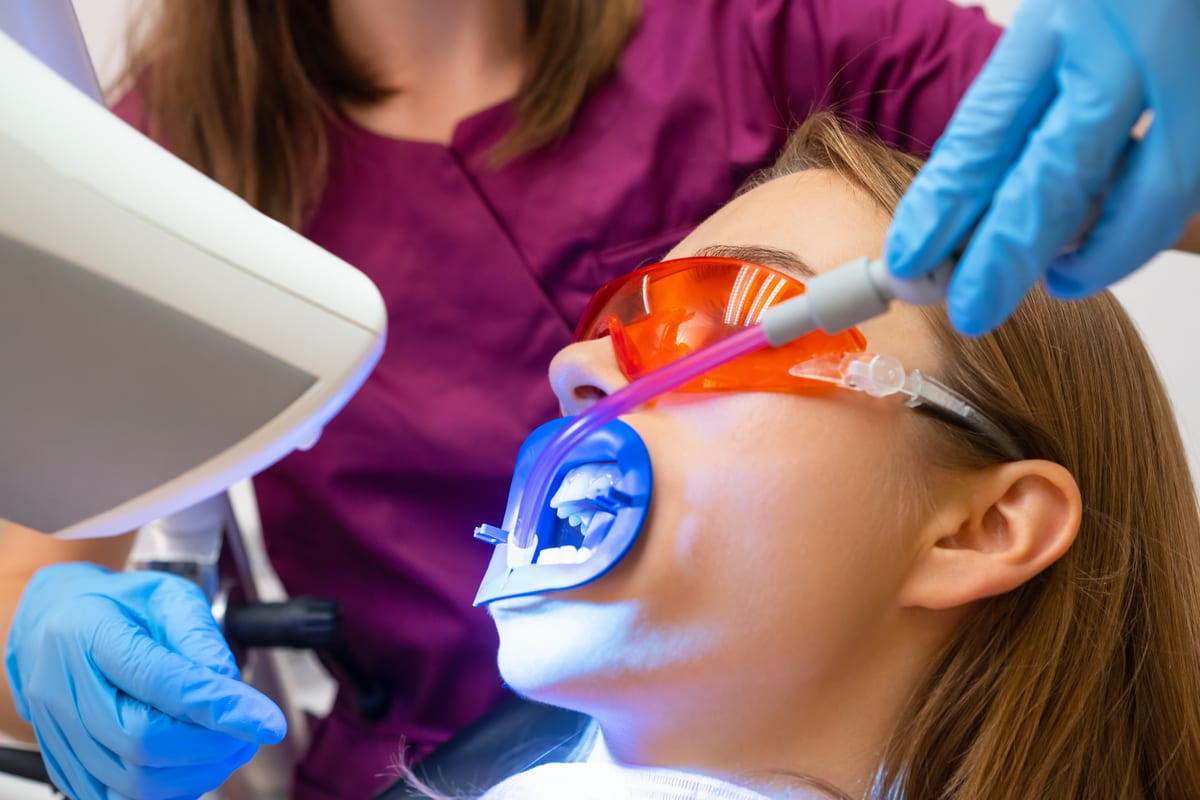
Teeth whitening is one of the most popular cosmetic treatments available today. But will teeth whitening actually work for you in Glendora? The honest answer is: it depends. Not everyone responds to whitening the same way. Understanding your candidacy before you start can save you time, money, and disappointment.
At Glendora Healthy Smiles, Dr. Christine Shehata helps patients understand exactly what to expect from whitening. This article walks you through who gets the best results — and who may need a different approach entirely.
How Teeth Whitening Actually Works
Whitening treatments use peroxide-based gels to break down stain molecules inside the tooth enamel. The bleaching agents penetrate the enamel and lighten the underlying dentin layer. This process works well on certain types of discoloration. However, it has clear limits depending on the cause of your staining.
Most professional whitening treatments fall into two categories. In-office treatments deliver faster, stronger results under controlled conditions. Take-home trays from your dentist provide a more gradual brightening effect over one to two weeks.
Before beginning any whitening plan, it helps to review your Dental History with your provider. Past treatments, medications, and existing restorations all affect how your teeth respond to bleaching agents.
Who Gets the Best Whitening Results in Glendora
Patients with extrinsic staining are the best candidates for teeth whitening. Extrinsic stains sit on the outer surface of the enamel. They come from food, beverages, and lifestyle habits that gradually discolor your teeth.
You are likely to see excellent results if your staining comes from:
- Coffee, tea, or red wine consumption
- Tobacco use over time
- Certain foods like berries, tomato sauce, or soy sauce
- General aging and surface buildup
Patients with naturally yellow-toned teeth also tend to respond very well to whitening. Yellow discoloration bleaches more predictably than other shades. Starting with clean, healthy teeth improves results significantly. Your Dental Exams Cleanings appointment is the ideal first step before any whitening treatment.
Who May Not See the Results They Expect
Not every patient is a strong candidate for whitening. Several factors limit how effective bleaching can be. Understanding these factors helps you make a more informed decision before investing in treatment.
Intrinsic staining is one of the most common reasons whitening falls short. These stains develop inside the tooth structure itself, not on the surface. Bleaching agents cannot penetrate deeply enough to remove them effectively.
Common causes of intrinsic staining include:
- Tetracycline antibiotic use during childhood tooth development
- Excessive fluoride exposure during enamel formation (dental fluorosis)
- Trauma to a tooth that causes internal bleeding or nerve damage
- Genetic conditions that affect enamel or dentin structure
If your teeth appear grayish or have dark banding rather than uniform yellowing, intrinsic staining may be the cause. Whitening may produce minimal improvement in these cases. Dr. Shehata can evaluate your specific situation and recommend the most realistic path forward.
Restorations and Whitening: What You Need to Know
Many patients do not realize that whitening agents only work on natural tooth enamel. Dental restorations do not respond to bleaching treatments at all. This is an important consideration if you have existing dental work in visible areas.
The following restorations will not change color with whitening:
- Dental crowns
- Porcelain or composite veneers
- Dental bonding
- Dental bridges or implant-supported crowns
- Tooth-colored fillings
If you whiten your natural teeth while leaving restorations in place, the result can be uneven. Your natural teeth may brighten while your crowns or veneers stay the same shade. This creates a noticeable mismatch that many patients find frustrating.
The best approach is to discuss your restorations with Dr. Shehata before starting whitening. In some cases, patients choose to whiten first, then replace older restorations to match the new shade. Planning this sequence carefully leads to a more uniform, satisfying result.
Medication-Induced Staining and Other Limiting Factors
Certain medications cause staining that whitening cannot fix. Tetracycline antibiotics taken during childhood are the most well-known example. They bind to the calcium in developing teeth and create gray or brown banding deep within the structure.
Other medications and medical factors that may limit whitening results include antihistamines taken long-term, iron supplements, and some blood pressure medications. These substances can alter tooth color from within the dentin layer. Surface bleaching simply cannot reach those areas.
Sensitive teeth and gum disease are also factors that affect candidacy. Active gum disease should be treated before whitening begins. Whitening on compromised gum tissue can cause increased sensitivity and discomfort. Your overall oral health must be stable first.
Age also plays a role. Younger patients with larger pulp chambers may experience more sensitivity during treatment. Older patients may notice more uneven results due to years of enamel wear. Dr. Shehata tailors recommendations based on your age, health history, and specific goals.
What Are Your Alternatives if Whitening Won’t Work?
If you are not an ideal whitening candidate, you still have excellent options. Several cosmetic treatments can dramatically improve the appearance of stained or discolored teeth. The right choice depends on the cause and severity of your discoloration.
Dental veneers are thin porcelain shells bonded to the front surface of teeth. They cover intrinsic stains completely and create a bright, uniform appearance. Veneers work especially well for tetracycline staining or deep discoloration that bleaching cannot address.
Dental bonding is a more affordable option for mild cases. A tooth-colored composite resin is applied and shaped over the stained surface. It blends with surrounding teeth and can be color-matched to your desired shade. Bonding works best for isolated areas of discoloration.
For patients with more significant concerns, dental crowns may be recommended. Each case is unique, and Dr. Shehata will walk you through all available options during your consultation at Glendora Healthy Smiles.
Frequently Asked Questions
Does professional whitening work better than store-bought kits?
Yes, professional whitening uses higher-concentration peroxide gels than over-the-counter products. The results are faster and more noticeable. Custom trays from your dentist also fit more precisely, which improves contact with the tooth surface and reduces gum irritation.
How long do teeth whitening results last?
Results typically last between six months and two years depending on your diet and habits. Avoiding staining foods and beverages helps extend your results. Touch-up treatments at home or in-office can maintain brightness over time.
Will whitening make my teeth permanently sensitive?
Temporary sensitivity during or after whitening is common and usually resolves within a few days. It is not permanent for most patients. Dr. Shehata can recommend desensitizing products to minimize discomfort before, during, and after treatment.
Can I whiten my teeth if I have veneers or crowns?
Whitening agents do not change the color of veneers, crowns, or other restorations. If you have visible restorations, whitening may cause a color mismatch between your natural teeth and existing dental work. Talk with Dr. Shehata before proceeding to plan the best approach.
How do I know if my staining is extrinsic or intrinsic?
A dental examination is the most reliable way to determine the type and cause of your staining. Dr. Shehata will evaluate the shade, pattern, and distribution of discoloration during your consultation. This helps identify whether whitening or an alternative treatment is the right fit for you.
Ready to find out if teeth whitening is right for you? Dr. Christine Shehata and the team at Glendora Healthy Smiles are here to give you honest, personalized guidance. Book Now to schedule your appointment with our team.