432 West Foothill Blvd. Glendora, CA 91741

Porcelain vs. Composite Veneers: Which Actually Lasts Longer

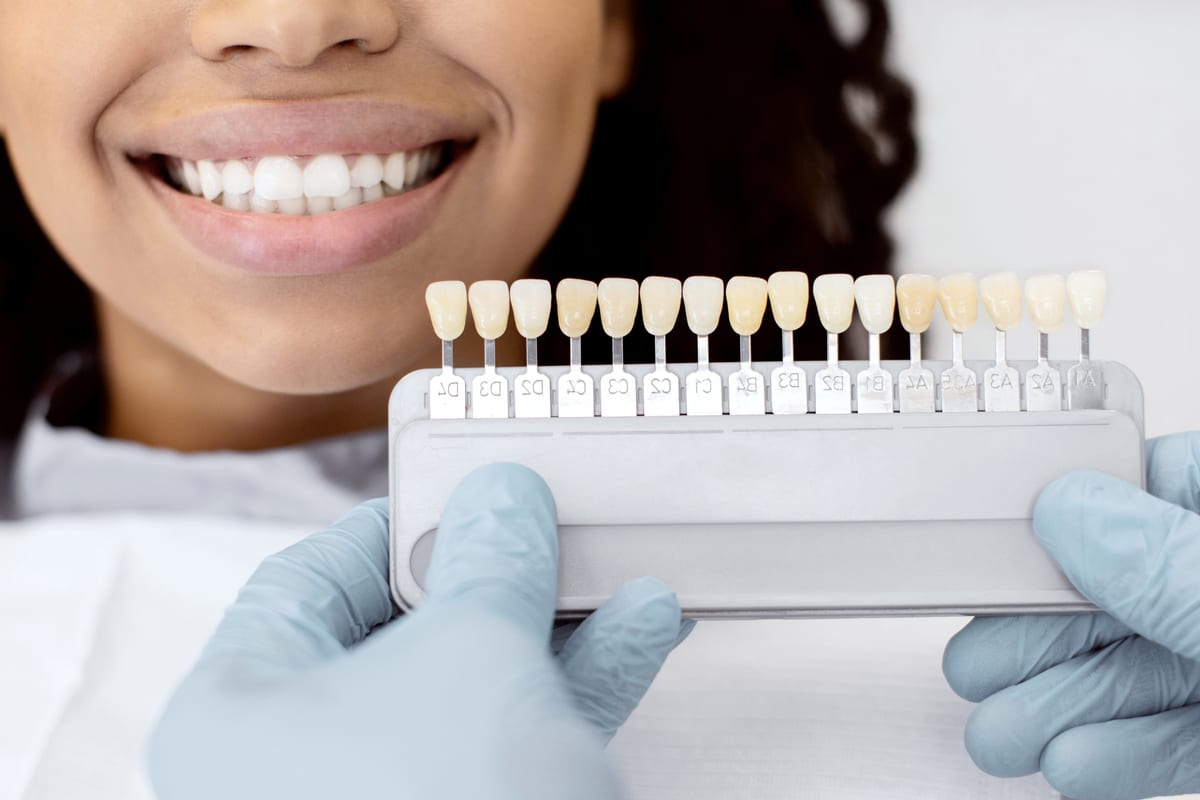
If you’ve been researching smile makeovers, you’ve likely come across the debate around porcelain vs. composite veneers — which actually lasts longer in Citrus and nearby communities is a question Dr. Christine Shehata hears regularly at Glendora Healthy Smiles. Both options can dramatically improve your smile. But they differ in cost, durability, aesthetics, and the procedure involved. Understanding those differences helps you make a confident, informed decision.
What Are Porcelain and Composite Veneers?
Veneers are thin shells bonded to the front surface of your teeth. They correct chips, stains, gaps, and minor misalignment. The two most common materials are porcelain and composite resin.
Porcelain veneers are crafted in a dental laboratory. They require two or more appointments to complete. The result is a highly realistic, glass-like surface that mimics natural enamel beautifully.
Composite resin veneers are applied directly to your teeth in a single visit. Your dentist sculpts the material chair-side and hardens it with a curing light. This makes them faster and more accessible for many patients in Citrus.
Porcelain vs. Composite Veneers: Durability and Longevity Compared
Durability is often the deciding factor for patients exploring porcelain vs. composite veneers in the Citrus area. Porcelain is a stronger material overall. With proper care, porcelain veneers typically last 10 to 15 years — sometimes longer.
Composite resin is more porous and softer than porcelain. It tends to stain more easily over time, especially with coffee, tea, and red wine. Most composite veneers last 5 to 7 years before needing touch-ups or replacement.
That said, composite veneers are easier to repair. If one chips or cracks, your dentist can often fix it in a single visit. Porcelain veneers that break typically require a full replacement, since bonding a cracked porcelain shell is rarely effective long-term.
Aesthetic Results: How Do They Look Side by Side?
Both types of veneers produce stunning smile transformations. However, porcelain consistently delivers a more lifelike result. It reflects light the same way natural tooth enamel does, creating depth and translucency.
Composite resin has improved significantly in recent years. Modern composite materials look far more natural than earlier versions. For minor corrections, composite veneers can be virtually indistinguishable from natural teeth.
Porcelain is also more resistant to staining than composite. Over the years, that resistance helps porcelain veneers maintain their original color. Composite may require polishing or replacement earlier due to surface discoloration.
- Porcelain offers superior light-reflecting translucency
- Composite suits minor cosmetic corrections effectively
- Porcelain resists stains far better over the long term
- Composite can be color-matched and adjusted chair-side
The Procedure: What Citrus Patients Can Expect
The treatment process differs significantly between the two veneer types. Knowing what each involves helps set realistic expectations before your first appointment.
Porcelain veneer process:
- Consultation and smile design planning
- Tooth preparation — a small amount of enamel is removed
- Impressions taken and sent to a dental lab
- Temporary veneers placed while your custom shells are made
- Final bonding appointment once lab veneers arrive
Composite veneer process:
- Consultation to plan shade and shape
- Minimal or no enamel removal required
- Resin applied, sculpted, and cured in one sitting
- Final polishing to complete your new smile
Porcelain requires more tooth reduction and two visits minimum. Composite is reversible in some cases and completed in one appointment. Patients in Citrus who want a faster result often start with composite veneers.
Cost Differences and Which Option Fits Your Goals
Cost is a real consideration for most Citrus patients comparing porcelain vs. composite veneers. Composite veneers are typically less expensive per tooth than porcelain. The single-visit process reduces both lab fees and chair time.
Porcelain veneers cost more upfront. However, their longer lifespan often makes them more economical over a 10- to 15-year period. You may replace composite veneers two or three times in the same timeframe.
Your budget, timeline, and smile goals all matter in this decision. Dr. Shehata takes time to discuss both options during your consultation. There is no one-size-fits-all answer — the best veneer is the one that fits your life.
It’s also worth noting that maintaining good oral health supports veneer longevity for either type. Conditions like gum disease or decay need to be addressed before any cosmetic work begins. In some cases, patients also need to explore other restorative care, such as Root Canal Therapy Citrus, before proceeding with veneers.
Caring for Your Veneers After Treatment
Proper aftercare extends the life of both veneer types. Good habits protect your investment and keep your smile looking its best for years.
- Brush twice daily with a non-abrasive toothpaste
- Floss daily to protect the veneer margins
- Avoid biting hard objects like ice, pens, or fingernails
- Wear a night guard if you grind your teeth
- Schedule regular professional cleanings every six months
- Limit staining beverages, especially with composite veneers
If a veneer ever feels loose, chips unexpectedly, or causes pain, contact your dental office promptly. Dental emergencies involving veneers are uncommon but do happen. The team at Glendora Healthy Smiles is available as an Emergency Dentist Glendora Citrus for urgent situations.
Which Veneer Type Is Right for You?
Both porcelain and composite veneers are excellent options depending on your goals. Porcelain wins on longevity, stain resistance, and aesthetics. Composite wins on cost, convenience, and repairability.
Patients in Citrus who want a long-lasting, premium smile transformation often prefer porcelain. Those looking for a budget-friendly, quick cosmetic refresh may prefer composite. Dr. Shehata evaluates your teeth, health history, and goals before making any recommendation.
The right choice is deeply personal. A thorough consultation ensures you receive the option that truly fits your needs and lifestyle. Your smile is worth making an informed decision.
Ready to explore your veneer options with a trusted Citrus-area dental team? Book Now to schedule your appointment with our team.
Frequently Asked Questions
How long do porcelain veneers last compared to composite veneers?
Porcelain veneers typically last 10 to 15 years or more with proper care. Composite resin veneers generally last 5 to 7 years before needing touch-ups or replacement. Porcelain offers greater long-term durability for most patients.
Can composite veneers be repaired if they chip?
Yes. One of the biggest advantages of composite veneers is that chips or small cracks can often be repaired in a single chair-side visit. Porcelain veneers that break typically require a full replacement, making composite a more repair-friendly option.
Do veneers require removing a lot of natural tooth structure?
Porcelain veneers require removing a thin layer of enamel to ensure a proper fit. This process is irreversible. Composite veneers often require minimal or no enamel reduction, making them a more conservative option for patients in Citrus.
Are veneers a good option if I have existing dental problems?
Veneers are cosmetic restorations and work best on healthy teeth. Issues like decay, gum disease, or damaged roots should be treated before placing veneers. Dr. Shehata will evaluate your oral health thoroughly during your consultation to confirm you’re a good candidate.
How do I know whether porcelain or composite veneers are right for me?
The best way to decide is through a professional consultation. Dr. Christine Shehata at Glendora Healthy Smiles evaluates your teeth, cosmetic goals, budget, and health history to recommend the most suitable option. Both veneer types have distinct advantages depending on your individual needs.