432 West Foothill Blvd. Glendora, CA 91741

Dental Implants vs. Dentures vs. Bridges in Azusa

Losing a tooth — or several teeth — is more common than most people realize. If you live in Azusa and you’re weighing your options, understanding Dental Implants vs. Dentures vs. Bridges: Which One Is Right for You Azusa residents need to know is a great first step. Each option has real advantages and real trade-offs. This guide breaks down all three so you can walk into your consultation feeling informed and confident.
Understanding Your Three Main Tooth Replacement Options
Before comparing specifics, it helps to understand what each option actually is. These three treatments replace missing teeth in very different ways. Your best choice depends on your oral health, lifestyle, and long-term goals.
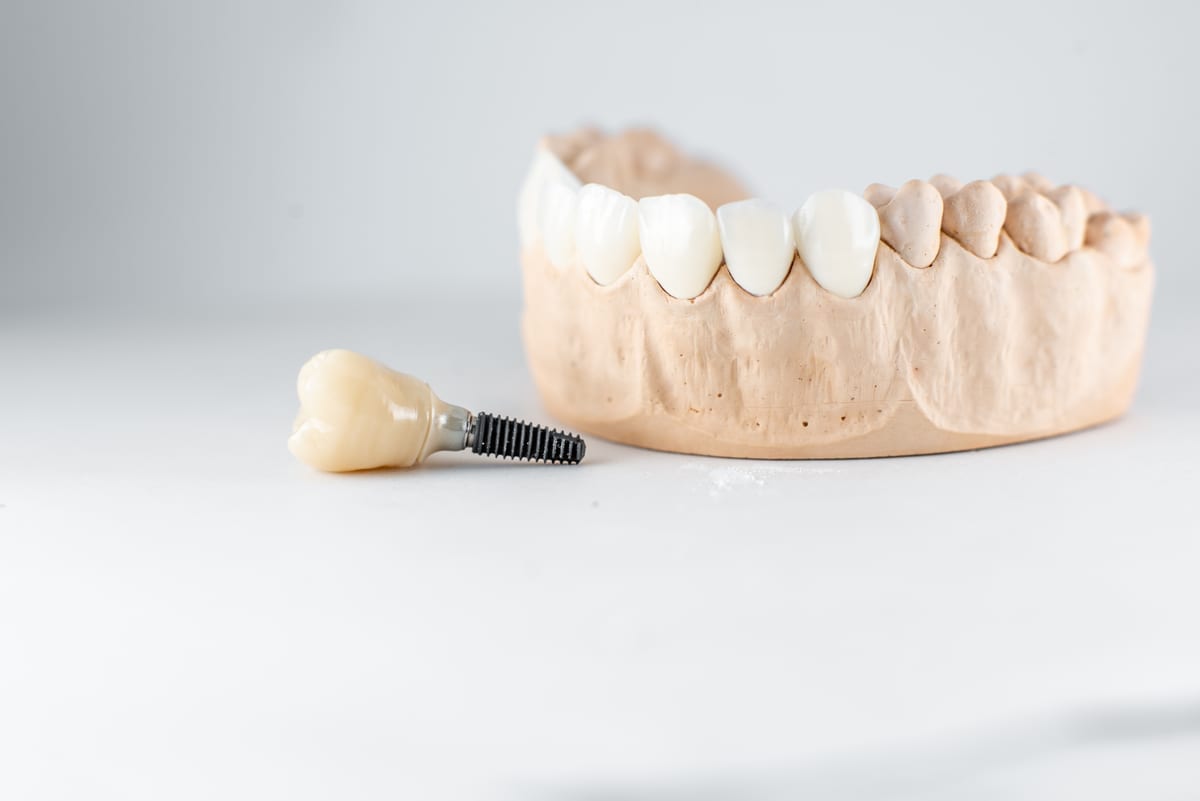
Dental implants are titanium posts surgically placed into your jawbone. They act as artificial tooth roots and support a permanent crown on top. They look and feel the most like natural teeth.
Dental bridges use neighboring teeth as anchors to hold a replacement tooth in place. They’re a fixed option — meaning they stay in your mouth permanently. They don’t require surgery, but they do require reshaping adjacent healthy teeth.
Dentures are removable appliances that replace multiple or all missing teeth. They sit on the gum line and can be taken out for cleaning. Modern dentures fit better and look more natural than ever before.
Dental Implants vs. Dentures vs. Bridges in Azusa: A Side-by-Side Comparison
Comparing these three options side by side makes decision-making much easier. Here’s how they stack up across the most important factors patients ask about.
- Durability: Implants can last a lifetime with proper care. Bridges typically last 10–15 years. Dentures may need replacement or adjustment every 5–10 years.
- Bone health: Implants stimulate the jawbone, preventing bone loss. Bridges and dentures do not provide this stimulation.
- Appearance: All three can look natural. Implants most closely mimic real teeth. High-quality dentures and bridges also look excellent.
- Maintenance: Implants are cared for like natural teeth. Bridges require special flossing tools. Dentures must be removed and cleaned daily.
- Comfort: Implants feel the most natural. Well-fitted bridges are also comfortable. Dentures may shift slightly and require adjustment periods.
- Candidacy: Implants require sufficient jawbone density. Bridges need healthy adjacent teeth. Dentures are suitable for almost any patient.
Understanding these differences helps you ask better questions during your dental visit. Your dentist will evaluate your specific situation before making a recommendation. No single option is universally best for everyone.
Who Is Each Option Best Suited For?
Choosing wisely means matching the treatment to your unique needs. Your Dental History plays a major role in determining what’s right for you. Dr. Christine Shehata at Glendora Healthy Smiles takes the time to review your full background before suggesting any treatment.
Dental implants are ideal if you’re missing one or a few teeth and have healthy gums and adequate bone density. They’re also a strong choice for patients who want a long-term, low-maintenance solution. Patients who prefer not to alter neighboring teeth often prefer implants over bridges.
Dental bridges work well when you have one or two missing teeth surrounded by strong, healthy teeth. They’re a faster solution than implants and don’t require surgery. If you’re not a candidate for implants due to bone loss, a bridge may be the smarter choice.
Dentures are most appropriate when multiple or all teeth are missing. They’re also a good fit for patients who want a non-surgical, more affordable option. Implant-supported dentures are now available for those who want more stability combined with fewer implants.
What to Expect During the Decision-Making Process
Making the right choice starts with a thorough consultation. Your dentist will review your oral health, take X-rays, and discuss your goals. Regular Dental Exams Cleanings are also an important part of maintaining whichever replacement you choose long-term.
Here’s a general overview of what the evaluation process looks like:
- Comprehensive exam: Dr. Shehata reviews your gum health, remaining teeth, and jawbone condition.
- X-rays and imaging: These reveal bone density and help identify which options are viable.
- Discussion of goals: You’ll share your priorities — whether that’s longevity, cost, comfort, or speed of treatment.
- Personalized treatment plan: Based on all findings, a plan is tailored specifically for you.
- Timeline and next steps: You’ll understand exactly what the process looks like before committing to anything.
Patients in Azusa and surrounding areas appreciate this step-by-step, pressure-free approach. Dr. Shehata’s goal is to make sure you feel fully informed. No treatment begins without your complete understanding and agreement.
Long-Term Care and What It Means for Your Choice
Your ability to care for your tooth replacement matters a great deal. All three options require consistent oral hygiene to last. However, the type and level of care differs significantly between them.
Dental implants are maintained just like natural teeth — brushing, flossing, and routine checkups. They integrate with the bone, making them incredibly stable over time. Patients who commit to good oral hygiene often keep implants for decades.
Bridges require a floss threader or water flosser to clean beneath the false tooth. Neglecting this area can lead to decay in the supporting teeth. With proper care, bridges remain functional and attractive for many years.
Dentures need daily removal and cleaning to prevent bacteria buildup. The fit may change over time as your jawbone shifts. Regular visits help ensure your dentures continue to fit properly and comfortably.
Frequently Asked Questions
Are dental implants painful to get?
Most patients report only mild discomfort during recovery. The procedure itself is done under local anesthesia, so you won’t feel pain during placement. Any soreness afterward is typically manageable with over-the-counter pain relief.
Can I eat normally with dentures or a bridge?
Yes, though there is an adjustment period with dentures. Bridges function much like natural teeth for most foods. Your dentist will advise you on any temporary dietary changes during your recovery period.
How long does the dental implant process take?
The full implant process typically takes several months from placement to final crown. This timeline allows the implant to fully integrate with the jawbone. Your individual timeline will depend on your healing and any preparatory procedures needed.
What happens if I don’t replace a missing tooth?
Leaving a gap can cause neighboring teeth to shift over time. It can also lead to bone loss in the jaw, which affects facial structure. Replacing missing teeth promptly helps maintain your overall oral health.
How do I know which option is right for me?
The best way to find out is through a personalized consultation with Dr. Shehata. Factors like bone density, gum health, number of missing teeth, and your lifestyle all play a role. A thorough evaluation gives you the clearest picture of your best path forward.
If you’re an Azusa resident ready to explore your tooth replacement options, Glendora Healthy Smiles is here to guide you every step of the way. Dr. Christine Shehata combines expertise with a compassionate, patient-first approach. Book Now to schedule your appointment with our team.