432 West Foothill Blvd. Glendora, CA 91741

Root Canal vs. Extraction: Why Keeping Your Natural Tooth is the Best Choice for Oral Health

When a tooth becomes damaged or infected, deciding between a root canal and an extraction can be difficult. Many patients face this dilemma, and it’s essential to weigh the benefits of retaining a natural tooth.
Whether you live in Glendora or another area, dental issues can affect your oral health for the rest of your life. It is for this reason that you may find it easier to come up with the best possible solution as a direct result of what you learn below in relation to choosing between root canal procedures or extraction for the betterment of your oral health.
Why You Should Consider Root Canal Therapy?
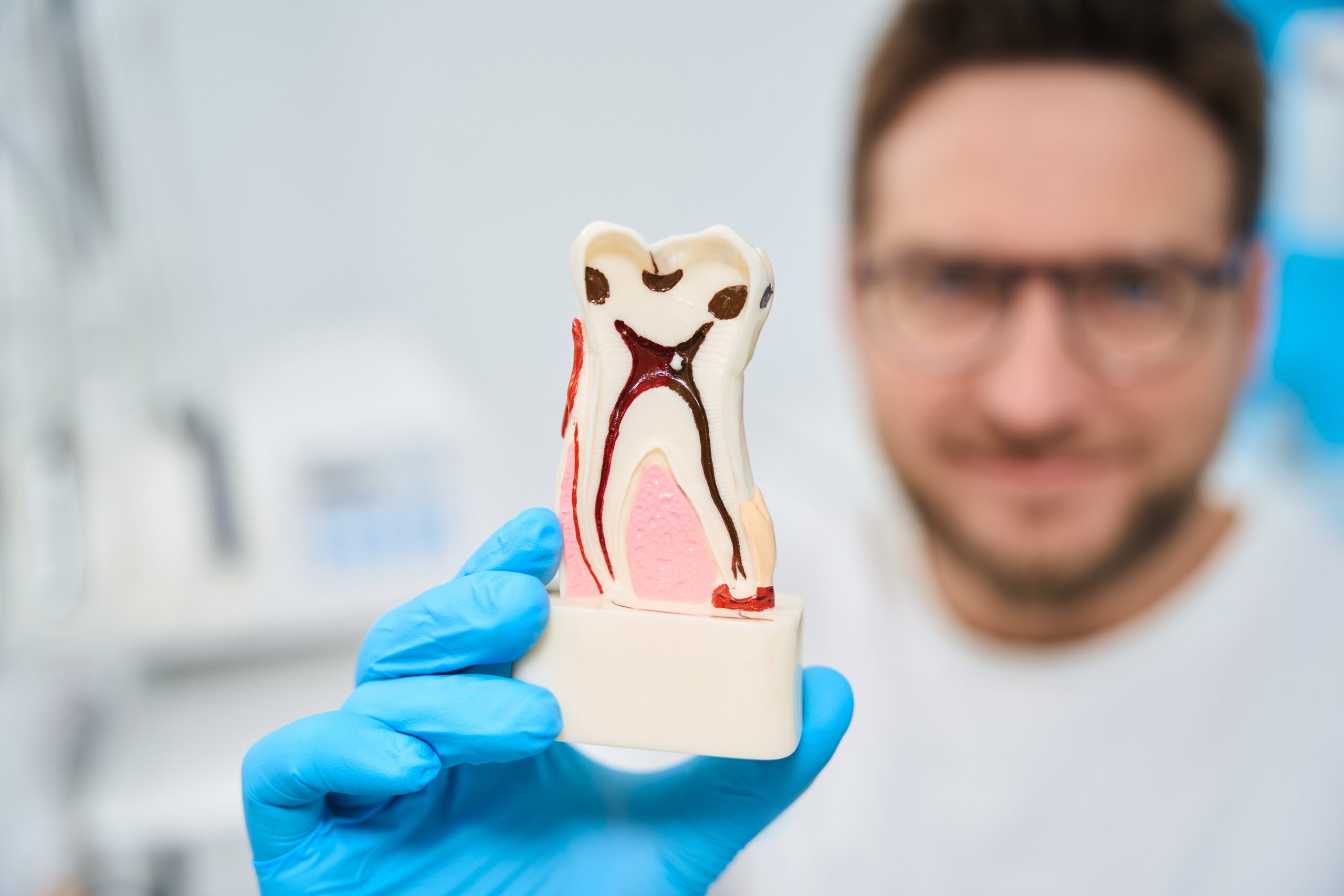
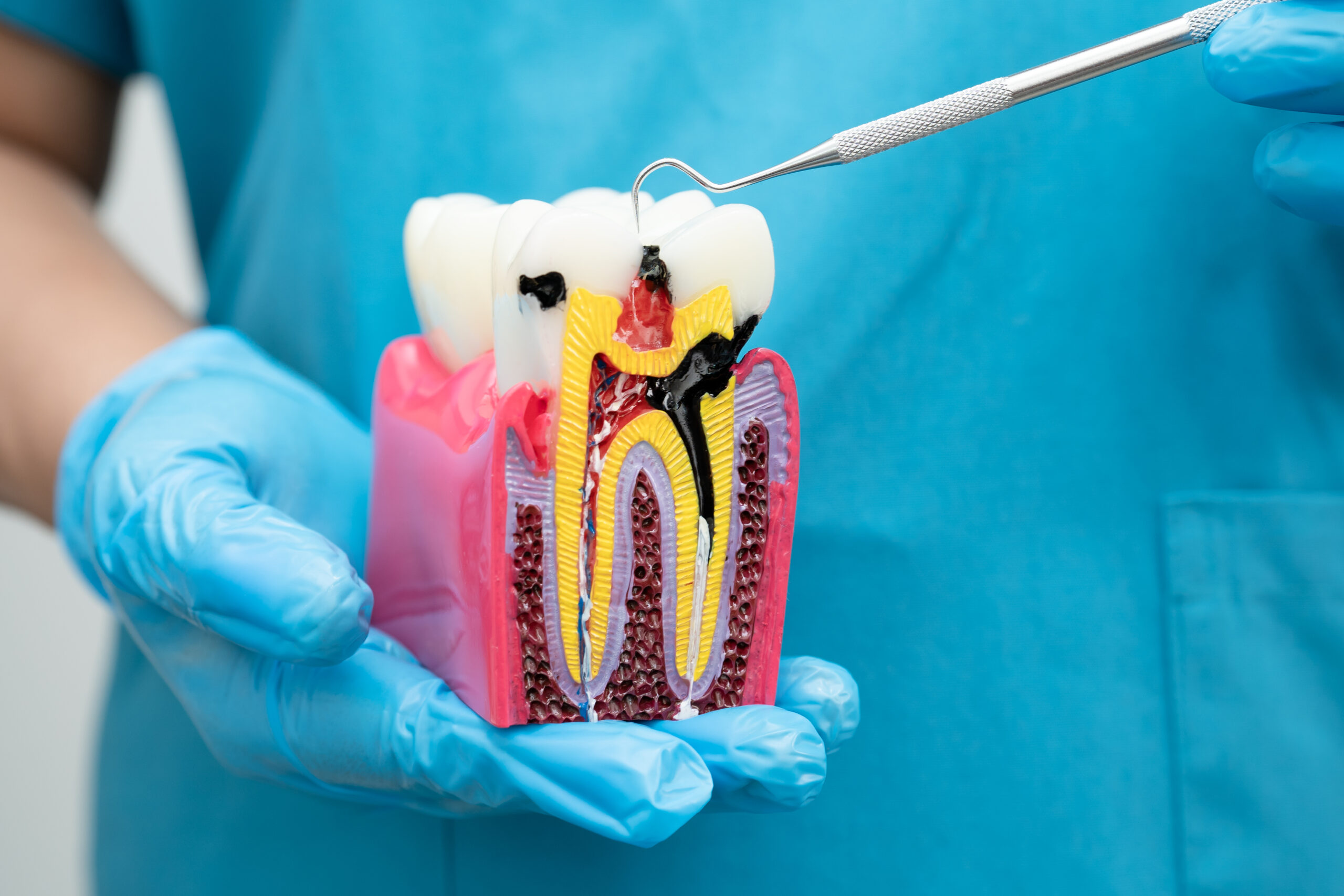
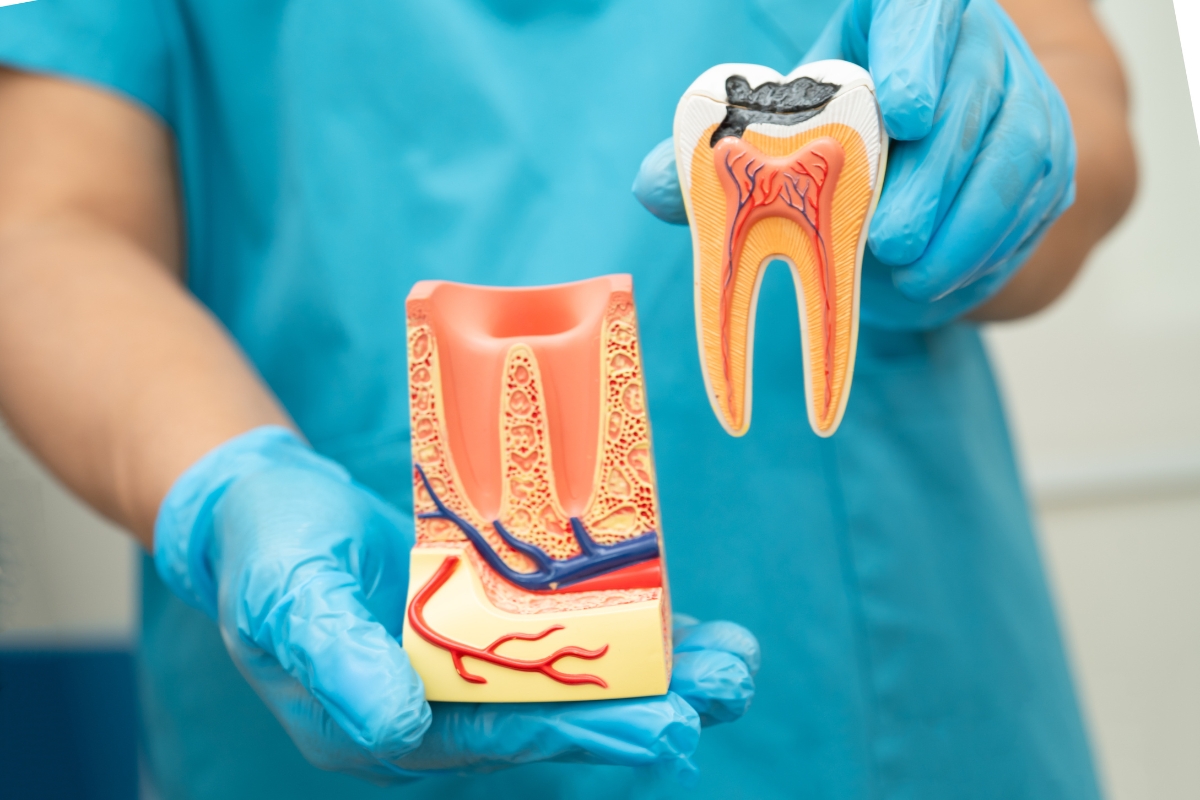
Root canal therapy has long been recognized as a technique for ensuring the long-term survival of teeth that would otherwise only be salvaged by extraction. When the tooth’s pulp has become infected or compromised, a root canal can effectively eliminate the problem and preserve the tooth.
Among the pros of the root canal procedure is the ability for you to keep your own teeth, which plays a crucial role in the structure of your mouth. Maintaining the natural tooth not only preserves the smile’s aesthetics but also retains its functionality, as chewing and speaking require proper tooth function. A natural tooth functions more efficiently than a dental implant or a bridge.
In Glendora, with its natural beauty and active lifestyle, a full, healthy smile is a must. And whether you are enjoying your time at Glen Oaks Park or dining out at a restaurant in your community, you want to feel confident with your smile. Root canal therapy in Glendora, CA, is a permanent solution that allows you to retain your natural tooth.
The Risks of Tooth Extraction
Extraction is a quick solution, but it can also cause various future repercussions. Some of the numerous oral health problems caused by tooth extraction are:
- Shifting Teeth: After a tooth is extracted, the surrounding teeth may shift out of alignment. This could lead to bite problems and even more issues, including lost teeth. This is especially problematic if you do not intend to replace the lost tooth.
- Bone Loss: A condition in which the jawbone supporting the missing tooth begins to resorb. This condition may impact the stability of your remaining teeth. Bone loss may need additional procedures, such as a bone graft, to revive your smile.
- Difficulty in Eating and Speaking: The loss of a tooth can lead to problems in eating and speaking. With the loss of a tooth, a person may face health and self-esteem issues.
However, a dental implant or a dental bridge can help replace the missing tooth. Losing a tooth in Glendora can not only result in a loss of function, but it may also create a loss of confidence in the appearance of your smile. By preserving your original tooth with a root canal procedure, you will not face the consequences associated with the loss of a tooth.
When is Tooth Extraction the Right Choice?
Though root canal treatment may be the better course of action in some cases, there may come a time when extraction is the only option. If the tooth is beyond repair due to damage and infection, it may be necessary to extract it to prevent the infection from spreading. This must always be the last resort when all other alternatives have already been exhausted.
As a community in Glendora that cherishes health and smiles, it is essential to consult a dental professional for advice on any decisions about tooth extraction. The professionals at Glendora Healthy Smiles can evaluate your situation and create a treatment plan in line with your dental objectives.
The Root Canal Procedure: What to Expect
If you are contemplating root canal treatment, you may be wondering what this entails. Below is a step-by-step explanation of how it is carried out:
- Examination and X-rays: Your dentist will take an X-ray of the problem area to assess any damage to the tooth.
- Numbing the Area: Before the procedure begins, your dentist will anesthetize the area so you feel no pain during the procedure.
- Cleaning the Tooth Area & Removing Infection: The dentist will remove the affected pulp tissue to eliminate infection inside the tooth.
- Sealing the Tooth: After the infection has been controlled, the tooth is sealed with a unique agent that prevents the infection from spreading.
- Restoration: After the root canal is completed, your dentist may suggest placing a crown on the tooth to restore strength and function.
The procedure usually requires only one or two visits, after which the patient can return to their routine with minimal pain or hassle.
How Root Canal Therapy Helps in Overall Oral Health?
By opting for root canal treatment rather than extraction, you not only save your tooth but also promote overall oral health. Here is how it helps:
- Preserving Bite Function: Maintaining the tooth helps retain biting function, whereas removing it may lead to further complications.
- Maintaining Bone Density: If you have a natural tooth in your mouth, your tooth root stimulates your bone structure, which helps to preserve bone density. This is particularly important to your lifestyle in places like Glendora because an active lifestyle requires a healthy bite.
- Preventing Infection Spread: Since the infection is eliminated and the tooth is sealed, a root canal procedure can help prevent it from spreading to other teeth or parts of the mouth, which can lead to an abscess or gum problems.
Preserve Your Natural Smile with Root Canal Therapy
Preserving your natural teeth through root canal treatment is often the best option. Choosing a root canal procedure not only saves you from oral health problems caused by a tooth extraction but also ensures that your smile is maintained.
Are you in need of root canal therapy in Glendora, CA? Our team at Glendora Healthy Smiles is ready to guide you in making the right decision for your oral care. Contact us today to learn more about the benefits of a root canal procedure in saving your teeth and enhancing your smile.
FAQs
- What are the benefits of root canal therapy over tooth extraction?
Root canal therapy allows you to save your natural tooth, preserving the structure and function of your mouth while avoiding complications such as bone loss and misalignment associated with tooth extractions. - How long does a root canal procedure take?
Typically, a root canal procedure takes one or two visits to complete, depending on the severity of the infection and the complexity of the tooth. - Can I eat normally after a root canal?
You can resume normal activities after the procedure, but you should avoid chewing on the treated tooth until it is fully restored with a crown to prevent further damage. - Is a root canal painful?
Thanks to modern anesthetics, most patients find the root canal procedure to be pain-free. Some mild discomfort or sensitivity may occur afterward, but it is manageable with over-the-counter pain relievers. - How do I know if I need a root canal?
Signs that you may need a root canal include persistent tooth pain, sensitivity to hot or cold, swelling, or a tooth that feels loose. If you notice any of these symptoms, schedule an appointment with a dentist promptly. - How long will a tooth last after a root canal?
With proper care, a tooth that has undergone root canal therapy can last many years. Maintaining good oral hygiene and regular dental check-ups will help ensure the longevity of your treated tooth.